Powered by advanced biometric identity reconciliation developed with Amadeus, the new system tackles one of aviation’s biggest challenges: rising passenger numbers combined with limited terminal capacity. Instead of separating domestic and international travelers into different zones—a long-standing but increasingly inefficient approach—the airport is shifting to a digitally orchestrated flow.
At the heart of the transformation is Amadeus biometric technology embedded throughout the passenger journey. It verifies identity in real time, allowing travelers to move through key checkpoints without repeated document checks. For passengers within the UK’s Common Travel Area, the process is seamless from curb to gate. International travelers are automatically directed to the appropriate UK immigration channels, including eGates or officer processing handled by the UK Border Force.
The result is a dynamic system where passengers with different travel requirements share the same infrastructure—without compromising compliance or security. It also enables the airport to use its space far more efficiently, reducing bottlenecks and improving overall flow.
The initiative is part of Manchester Airport’s £1.3 billion transformation program, designed to future-proof operations while enhancing the passenger experience. According to Managing Director Chris Woodroofe, the innovation is as much about what travelers don’t notice as what they do—smoother journeys, fewer interruptions, and more intuitive movement through the terminal.
Increasing capacity within existing facilities
Since launch, the biometric platform has been handling tens of thousands of passengers each month, achieving automated identity reconciliation rates close to 99% across both arrivals and departures. Early data points to clear gains, including increased capacity, stronger commercial performance, and improved operational efficiency.
For Amadeus, the project signals a broader shift in how airports are designed and operated. Biometrics are no longer just about faster processing—they are becoming the backbone of intelligent infrastructure, where digital identity reshapes how physical space is used.
Terminal 2’s new model is already live for travelers flying with carriers such as Aer Lingus, Aurigny, British Airways, easyJet, and Loganair.
As the final phase of the Terminal 2 program nears completion, Manchester Airport is positioning itself as a benchmark for the next generation of airport operations—delivering smarter passenger processing, greater resilience, and long-term growth without sacrificing security or service quality.
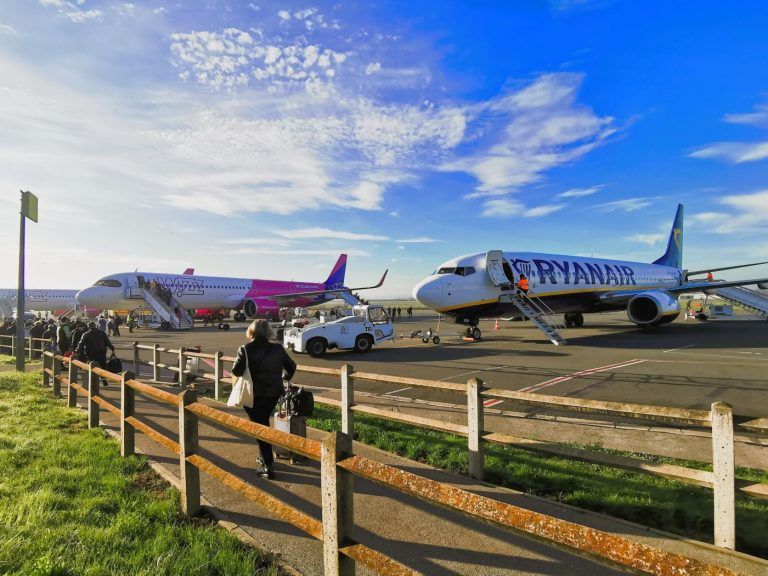
In the meantime, in another development, Manchester airport definitively closed Terminal 1, its historical passengers’ facility on March 11, 2026.
Terminal 1 main user, Ryanair, relocated to Terminal 3 while Terminal 2 has been transformed into a state-of-the-art facility that now handles more than 75% of all passengers using the UK’s busiest air gateway outside London.