Ankara is this year in the spotlight after being named the 2026 Tourism Capital of the Turkic World, a designation expected to boost international awareness of Turkey’s capital and strengthen cultural links across Turkic nations.
The title, awarded by the Organization of Turkic States to cities since 2021, provides Ankara with an opportunity to showcase a city that has served as Turkey’s capital for more than a century and already boasts a rich mix of history, arts, gastronomy and modern infrastructure.
As host city, Ankara will stage festivals, workshops, concerts and immersive cultural events celebrating the shared heritage of Turkic civilizations. Officials expect the designation to stimulate tourism investment and attract visitors from member countries. The OTS comprises Azerbaijan, Kazakhstan, Kyrgyzstan, Turkey and Uzbekistan as full members with observers status given to Hungary, Turkmenistan and the ‘Turkish Republic of Northern Cyprus’.
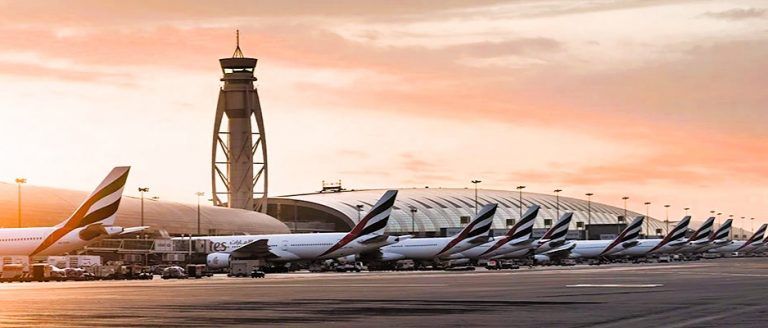
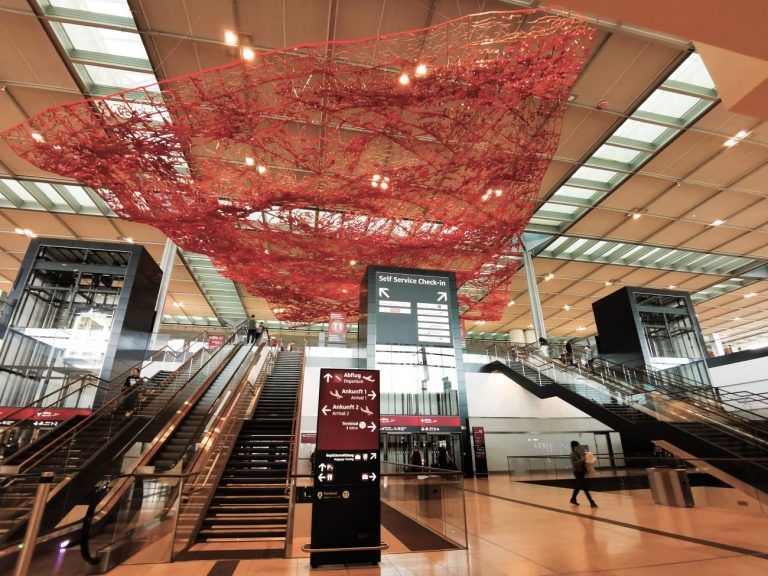
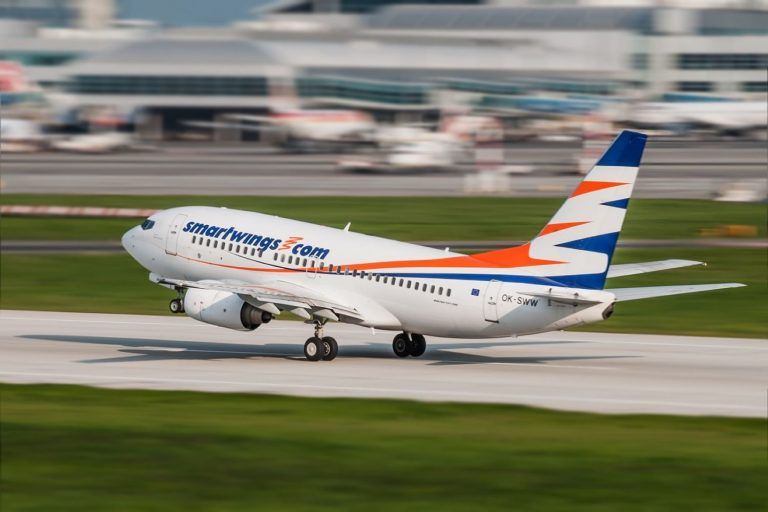
Ankara welcomed millions of visitors in recent years, with Esenboğa Airport handling more than 12 million passengers in 2025. However, most of the visitors are domestic. When looking at 2025 foreign tourist numbers, Ankara is doing poorly. Turkey’s capital recorded only 674,444 foreign travelers last year– a far cry from the 18.4 million foreign tourists in Istanbul, the 15.9 million in Antalya or even the 1.4 million recorded in Izmir.
Ongoing investments in airport facilities, highways and the city’s metro network are further enhancing accessibility and supporting Ankara’s ambitions to become a stronger leisure destination alongside its established role as Turkey’s political center.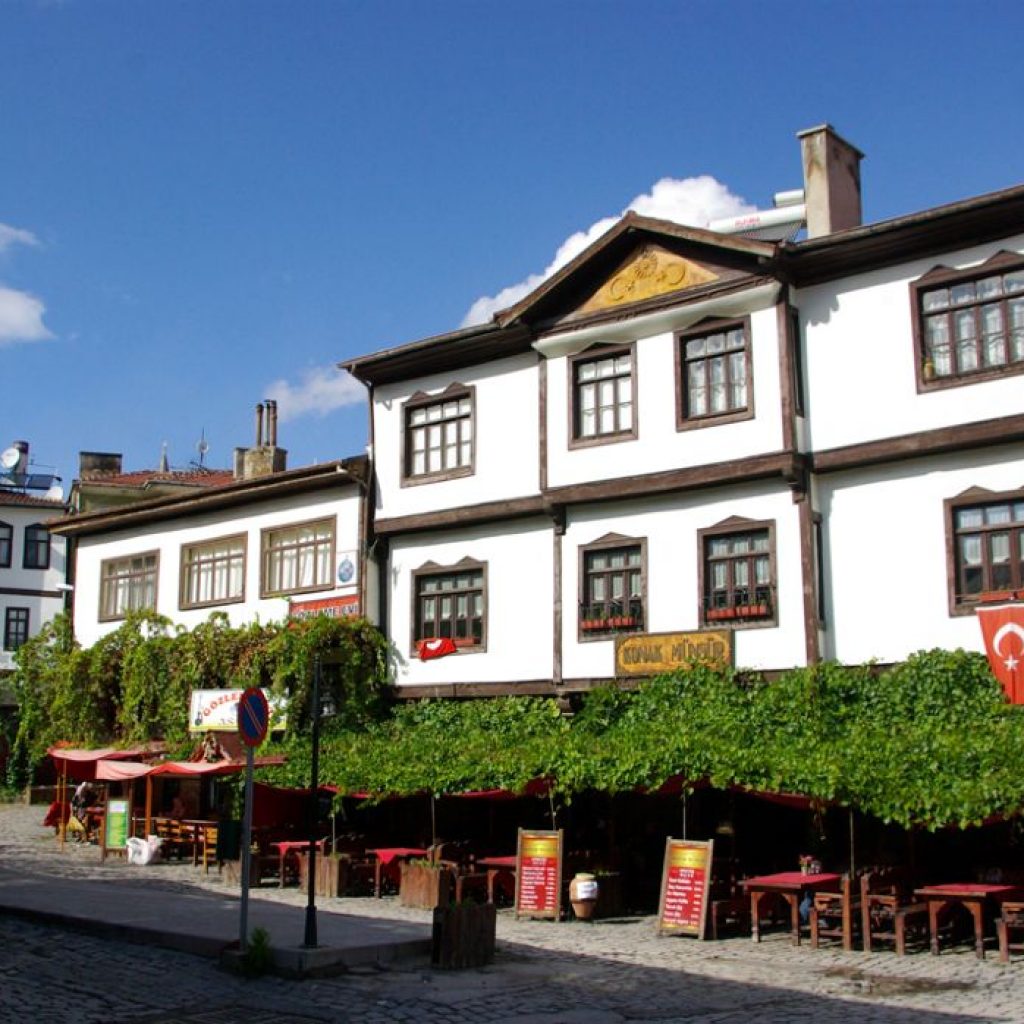 Beypazari historical old town with Ottoman centuries-old houses (Photo:KayaZaKi, CC BY 2.5 <https://creativecommons.org/licenses/by/2.5>, via Wikimedia Commons)
Living history across the capital
In fact, Ankara is more than just a boring administration center. Home to more than 20 museums, Ankara offers one of the most comprehensive introductions to Turkish history. The award-winning Museum of Anatolian Civilizations traces thousands of years of Anatolian heritage, while the War of Independence Museum chronicles the birth of the modern republic.
Particularly relevant during Ankara’s year as Tourism Capital is the Ethnography Museum of Ankara, whose collections highlight the traditions of Turkic peoples through costumes, crafts and historical artifacts.
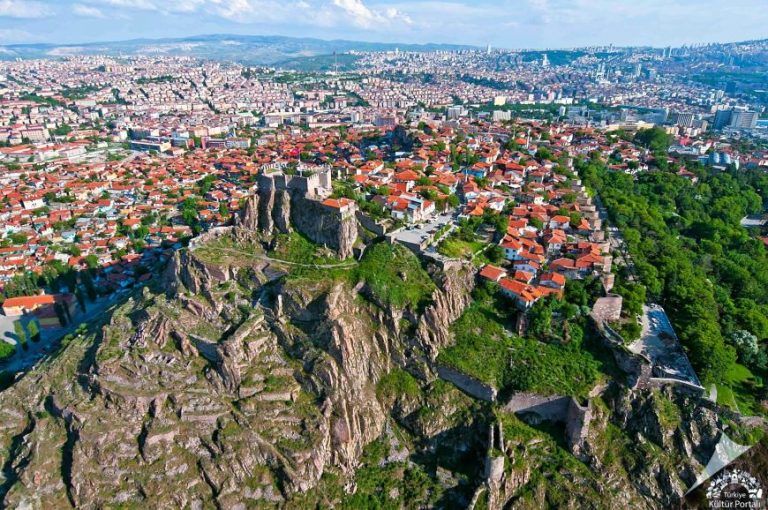
History extends beyond museum walls. The ancient Ankara Castle, whose origins date back to the eighth century BC, dominates the city skyline and provides sweeping views over the capital. Narrow streets lined with restored homes lead visitors to cafés, craft ateliers and exhibitions housed within the fortress district.
Nearby, the Hamamönü Historic District showcases beautifully preserved Ottoman architecture and a vibrant artisan scene along Sanat Sokağı (Arts Street), where traditional craftsmen work alongside cafés and live music venues.
The Gordion Ancient City and Arslanhane Mosque, were inscribed on the UNESCO World Heritage List in 2023, are significant heritage sites that enrich Ankara’s cultural legacy.
On the UNESCO Tentative List are now the Hacı Bayram Veli Mosque and its tomb, as well as the Beypazarı Historic Town Center.
Ankara is also home to landmarks including Anıtkabir, the mausoleum of Mustafa Kemal Atatürk, the Kocatepe Mosque in neo-classical Ottoman style and the iconic Atakule Tower.
The city’s culinary scene is another draw with traditional Anatolian dishes served in Ottoman-era mansions while seafood specialists, upscale restaurants and lively cafés reflect Ankara’s increasingly cosmopolitan character.
With its museums, historic districts, flourishing arts scene and expanding infrastructure, Ankara’s year as the Tourism Capital of the Turkic World offers the perfect opportunity to introduce one of Turkey’s most underrated destinations to a broader global audience.