Brazil’s tourism agency Embratur has teamed up with National Geographic to showcase Brazil’s Pantanal region.
Embratur, the states of Mato Grosso and Mato Grosso do Sul, and Sebrae Nacional commissioned National Geographic CreativeWorks to bring the unique biome to the attention of the world.
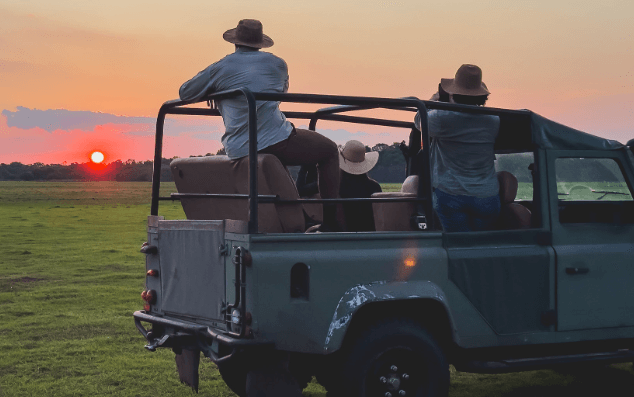
National Geographic CreativeWorks embarked on a mission to capture the nature and culture of the Northern and Southern Pantanal — through all five senses.
Titled “Safari for the Senses”, the project invites travellers to immerse in a sensorial experience of the Pantanal.
Renowned National Geographic wildlife photographer, Filipe DeAndrade, will traverse untouched landscapes, winding rivers, plains, and historic ranches to create inspiring visual and audiovisual content.
This material will be published across National Geographic’s media platforms.
“The Pantanal offers a one-of-a-kind sensory experience, where nature and culture intertwine like few places on Earth. This collaboration will show the world one of Brazil’s greatest treasures.”, says Marcelo Freixo, President of Embratur.
“Through Safari for the senses, this campaign will bring out the natural wonders of Brazil in a way that resonates deeply with our global audience”, said Nadine Heggie, Vice President of Media Partnerships at National Geographic.
Collaborating with National Geographic CreativeWorks is a strategic move for Embratur’s objective of positioning Brazil as a leader in sustainable and experiential tourism.
The Pantanal is home to one of the greatest concentrations of wildlife in the Americas, including iconic species such as the jaguar, hyacinth macaw, giant anteater, and marsh deer.
It is estimated that the biome hosts more than 4,700 species of animals and plants, including birds, fish, mammals, reptiles, and amphibians.
It is recognized by UNESCO as both a Biosphere Reserve and World Natural Heritage Site, with the world’s largest tropical wetland spanning the states of Mato Grosso and Mato Grosso do Sul, covering roughly 250,000 square kilometres.