Three cities in eastern Germany -formerly the German Democratic Republic or GDR, joined forces to create a single cultural journey, combining world-class music, art, architecture and history into one compelling itinerary, providing to travelers around the world an appealing alternative to more famed circuits…
Paris was the first stop to present the Cultural Trio initiative which brings under a single banner the cities of Weimar, Leipzig and Dresden. The French outbound market is indeed known for its keen interest in history, art and culture. What are exactly the three destinations. Together they are positioning themselves as the cultural heart of Germany. And arguably one of Europe’s richest heritage regions.
The collaboration stems from the many historical and artistic links shared by the three cities, from Johann Sebastian Bach and Richard Wagner to the German baroque and romanticism, to the Bauhaus movement and the rise of German democracy.
A natural cultural triangle
Located in the states of Thuringia (Weimar) and Saxony (Dresden and Leipzig), the three cities are closely connected by rail and road, making multi-city itineraries easy to organize.
Tourism representatives say the partnership goes far beyond joint marketing. It is designed to create themed journeys around music, literature, art, architecture and contemporary history.
“The cooperation works very well from a marketing perspective, but creating itineraries also makes a lot of sense,” said Christoph Münch of Dresden Marketing. “We can create routes around music, literature, art or modern history.“
The destinations are also working with receptive operators and the German rail Deutsche Bahn to facilitate travel between the three cities and develop new products for international visitors.
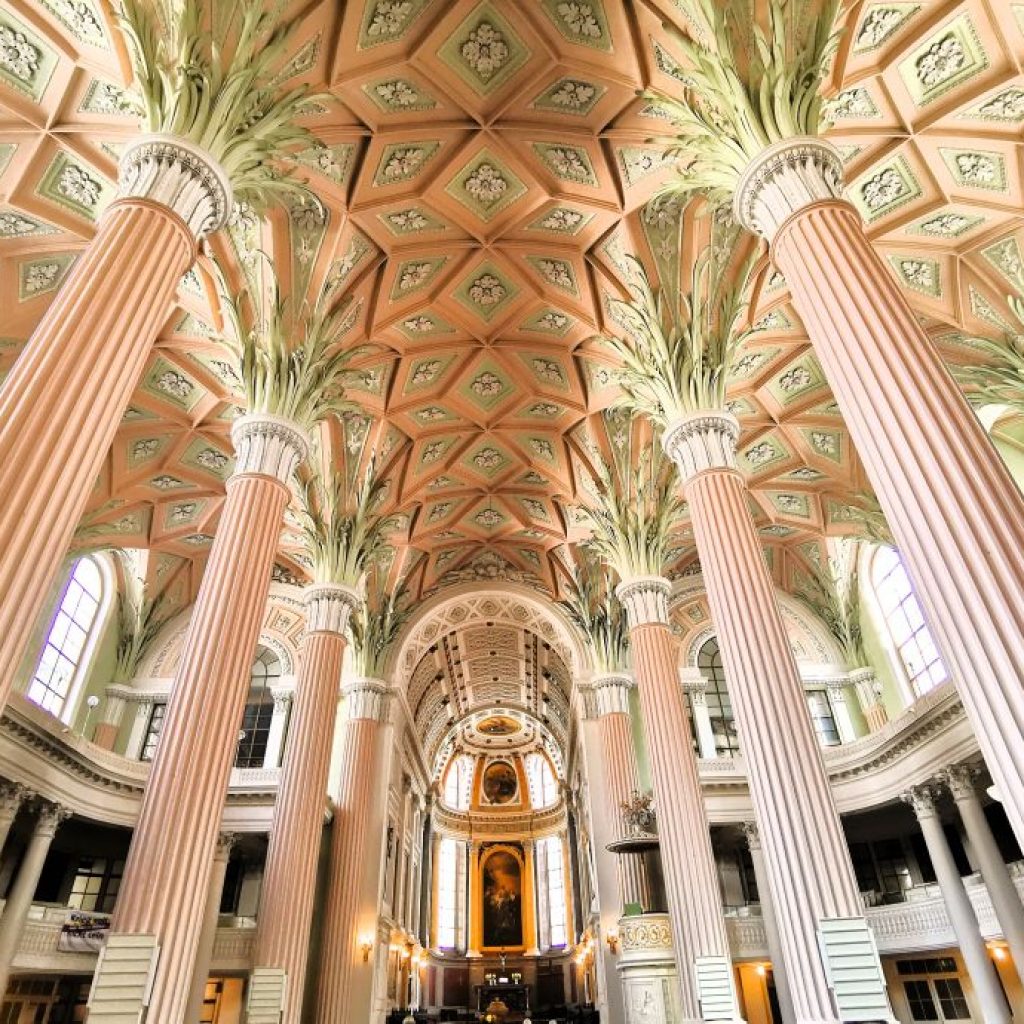
Leipzig, Nikolai Church, cradle of the East German peaceful revolution (Photo: LC/Cleverdis)
Weimar: cradle of German culture
Small in size but enormous in significance, Weimar condenses centuries of history into a compact cityscape. Alone, the city is home to 16 UNESCO World Heritage sites, the city is inseparable from the legacy of giants of the German literature such as Johann Wolfgang von Goethe and Friedrich Schiller, who helped shape German Classicism.
The city also witnessed the birth of the Bauhaus movement and gave its name to Germany’s first democracy, the Weimar Republic.
Visitors can explore Goethe and Shiller’s Houses, Goethe’s Garden Pavilion, the splendid baroque-style Duchess Anna Amalia Library and the Bauhaus Museum. Weimar remains vibrant thanks to its universities, festivals and active creative scene. The old town barely changed over the last 150 years.
Music lovers will also discover the legacy of Johann Sebastian Bach, who worked in Weimar from 1708 to 1717, and Franz Liszt, who transformed the city into a center of Romantic music during the 19th century.
Nearby Buchenwald Memorial also provides an important reminder of Germany’s darker chapters and reinforces Weimar’s role as a place of reflection on democracy and human rights.
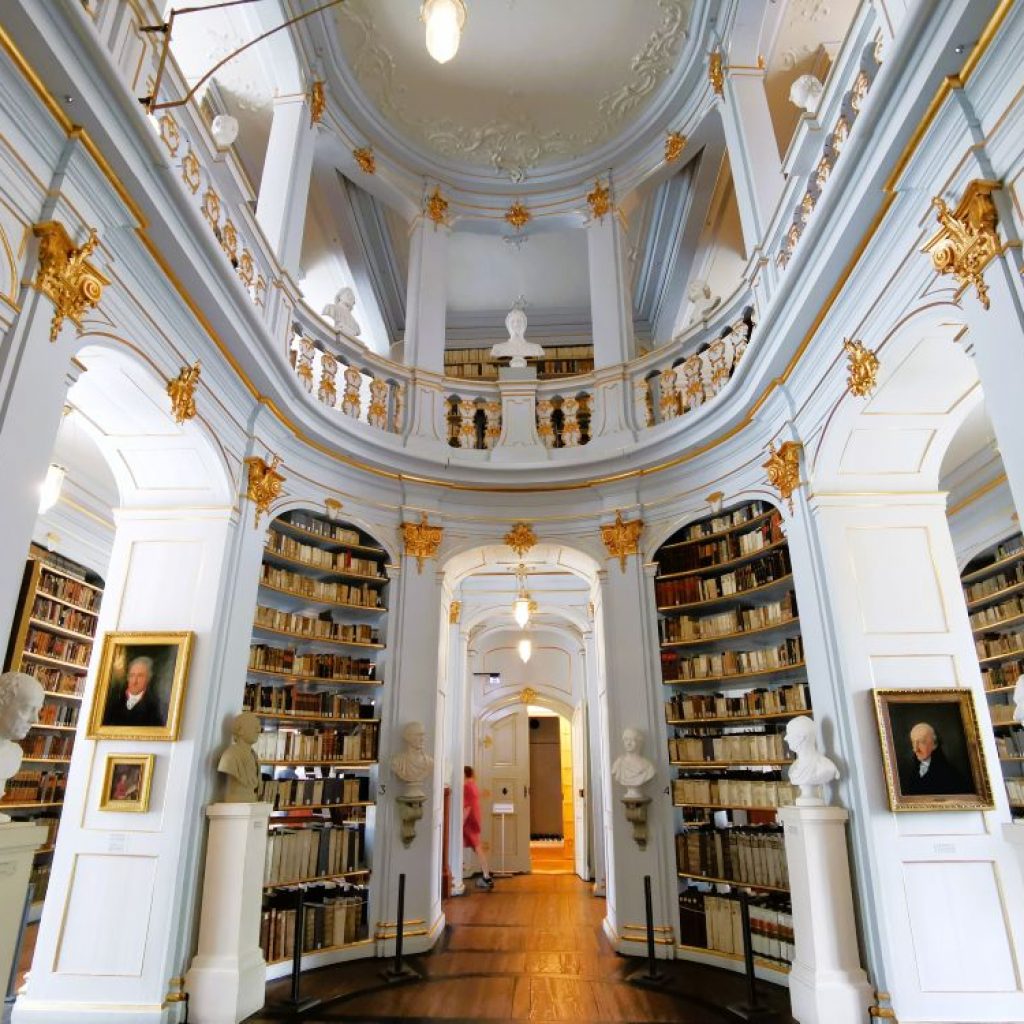
The Duchess Anna Amalia library in pure roccoco style in Weimar (Photo: LC/Cleverdis)
Leipzig: where music and democracy live on
Leipzig’s identity has long been intertwined with trade, music and most recently with democracy. The numerous trade galleries inside the city center, often built in grand style 150 years ago, reflects the spirit of a city, forged by its openness to the world.
Johann Sebastian Bach spent 27 years in the city as cantor of St. Thomas Church, composing many of his greatest masterpieces. Today, visitors can follow the Leipzig Music Trail, which links sites associated with Bach, Mendelssohn, Robert and Clara Schumann and numerous other composers.
The Bach Museum and Mendelssohn House remain among the city’s leading attractions, while the famous St. Thomas Choir continues a tradition spanning more than 800 years.
The renowned Gewandhaus Orchestra, founded by Leipzig merchants, is one of the world’s oldest civic orchestras and performs in several historic venues throughout the city.
Music festivals remain central to Leipzig’s calendar. The annual Bach Festival attracts visitors from around the world, while a major Beethoven Festival is set to showcase internationally acclaimed artists and innovative performances.
However, Leipzig in recent years gained fame for its contemporary creativity. The former industrial district of Plagwitz has become one of Germany’s most dynamic artistic quarters. The Spinnerei complex, once Europe’s largest cotton mill, now houses galleries, artist studios and design spaces that attract creative talent from around the world.
The city also played a pivotal role in the peaceful revolution that preceded the fall of the Berlin Wall in 1989, giving it a prominent place in Germany’s modern history. A must-visit is the Nikolai Church, with its beautiful classic architecture and center of the resistance movement to GDR communism.
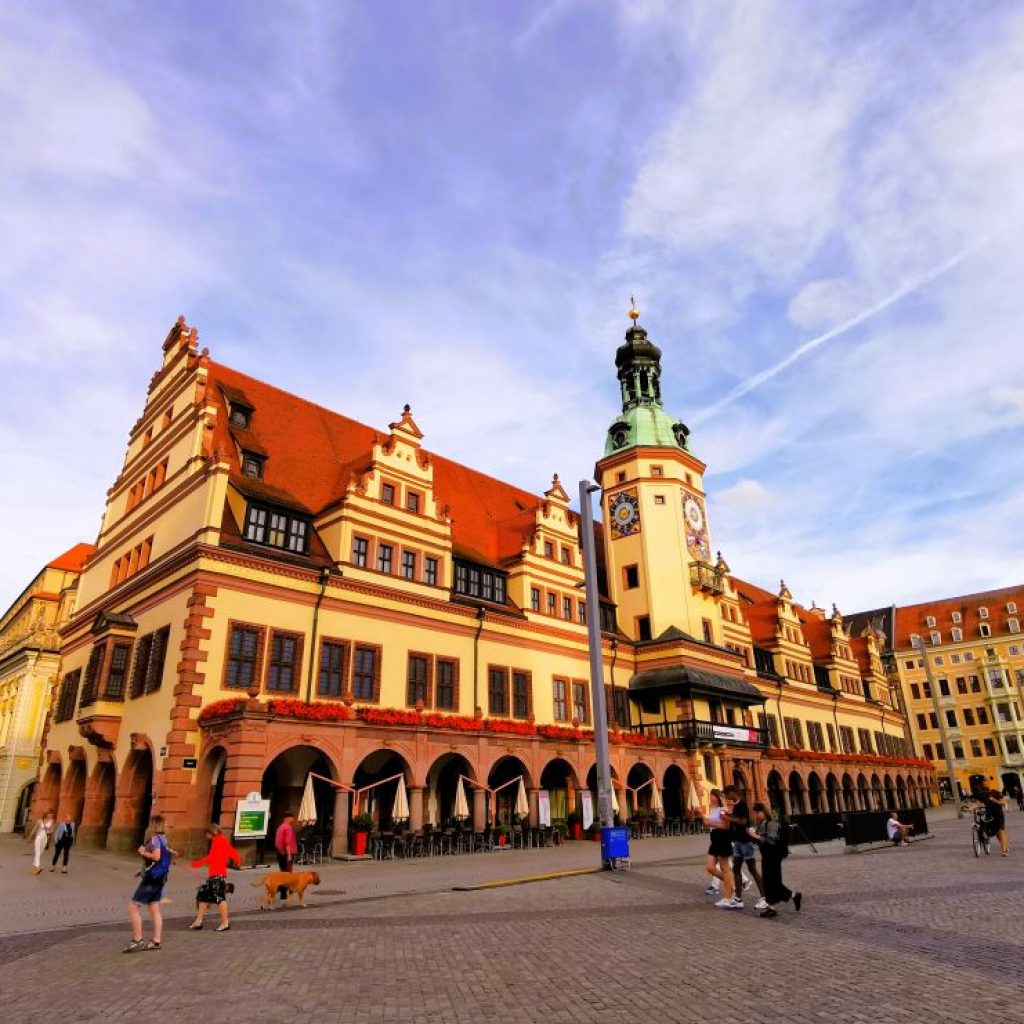
Leipzig City Hall in renaissance style (Photo: LC/Cleverdis)
Dresden: an eternal baroque beauty
Few European cities have experienced destruction and rebirth on the scale of Dresden.
Fully bombed at the end of World War II, Dresden was nothing but a field of ruins in 1945. The “Florence on the Elb River” painstakingly rebuilt many of its historic landmarks, restoring the Baroque splendor that once graced its River banks and its city center.
Today, the Zwinger Palace, the Frauenkirche surrounded by rebuilt baroque houses, the Royal Palace and its churches stand as symbols of that revival.
The city’s museums rank among Europe’s finest. The Old Masters Picture Gallery houses masterpieces by Raphael, Rembrandt, Rubens and Vermeer, while the Albertinum presents works by Caspar David Friedrich, Gerhard Richter and contemporary artists.
Dresden’s royal heritage is equally evident in its castles and gardens, including Pillnitz Palace, Moritzburg Castle and the Grosser Garten. Many manors and mansions can also be discovered in the hilly vineyards surrounding the city.
Music remains another pillar of the city. The Staatskapelle Dresden, one of the world’s oldest orchestras, continues a tradition dating back nearly five centuries. While the Semper Oper is one of Germany’s most beautiful music theater.
Beyond its cultural wealth, Dresden is increasingly emerging as a center for innovation, with major semiconductor investments reinforcing its reputation as one of Germany’s leading technology hubs.
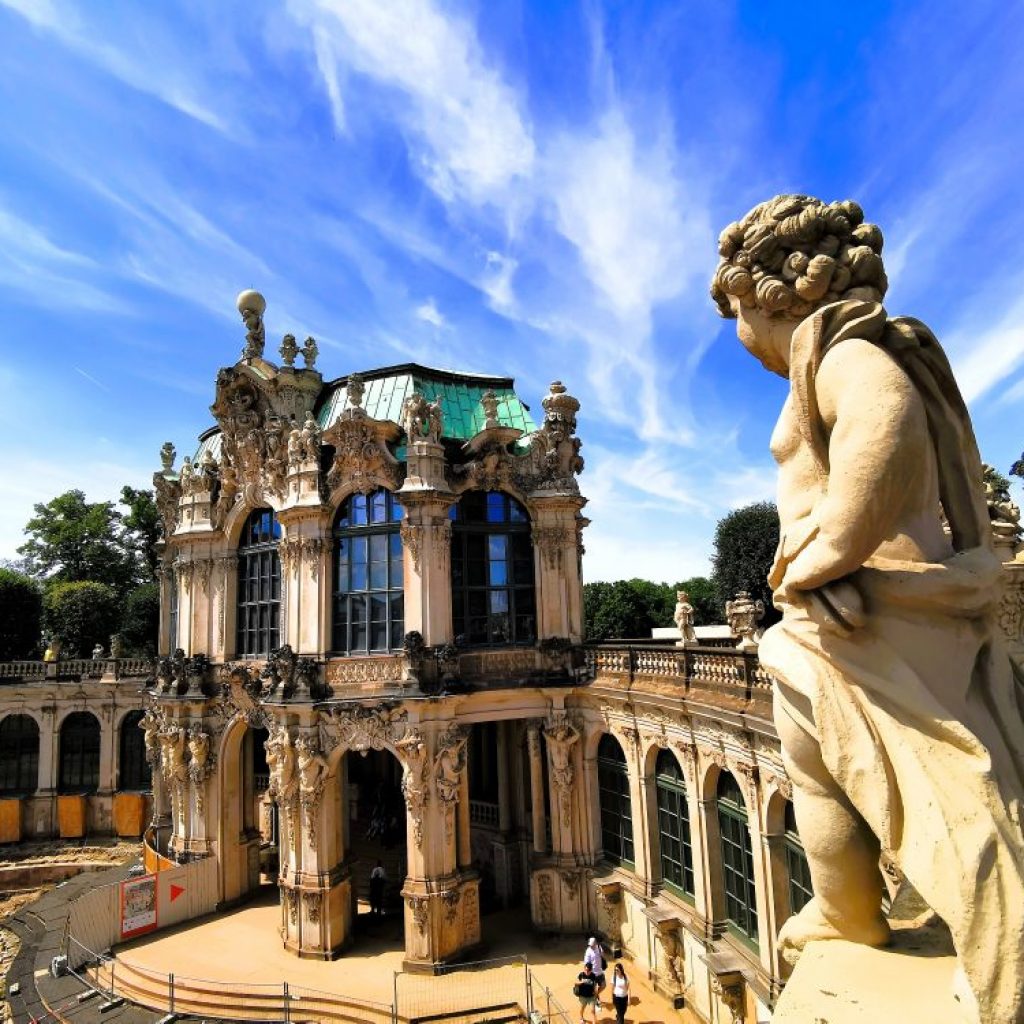
Dresden Zwinger, a jewel of baroque architecture (Photo: LC/Cleverdis)
One destination, many journeys
Together, Weimar, Leipzig and Dresden offer travelers an extraordinary diversity of experiences, mostly centered around arts and culture but also increasingly around the art of living, the gastronomy and a genuine sense of hospitality.
Visitors can trace the footsteps of Bach and Wagner, explore the origins of the Bauhaus movement, discover masterpieces spanning centuries of art, or delve into key moments of European history.
The Cultural Trio‘s message is simple: three cities, one journey — and countless ways to experience the cultural soul of Germany. After France, Italy Japan, the UK and the USA are further priority markets according to Münch.
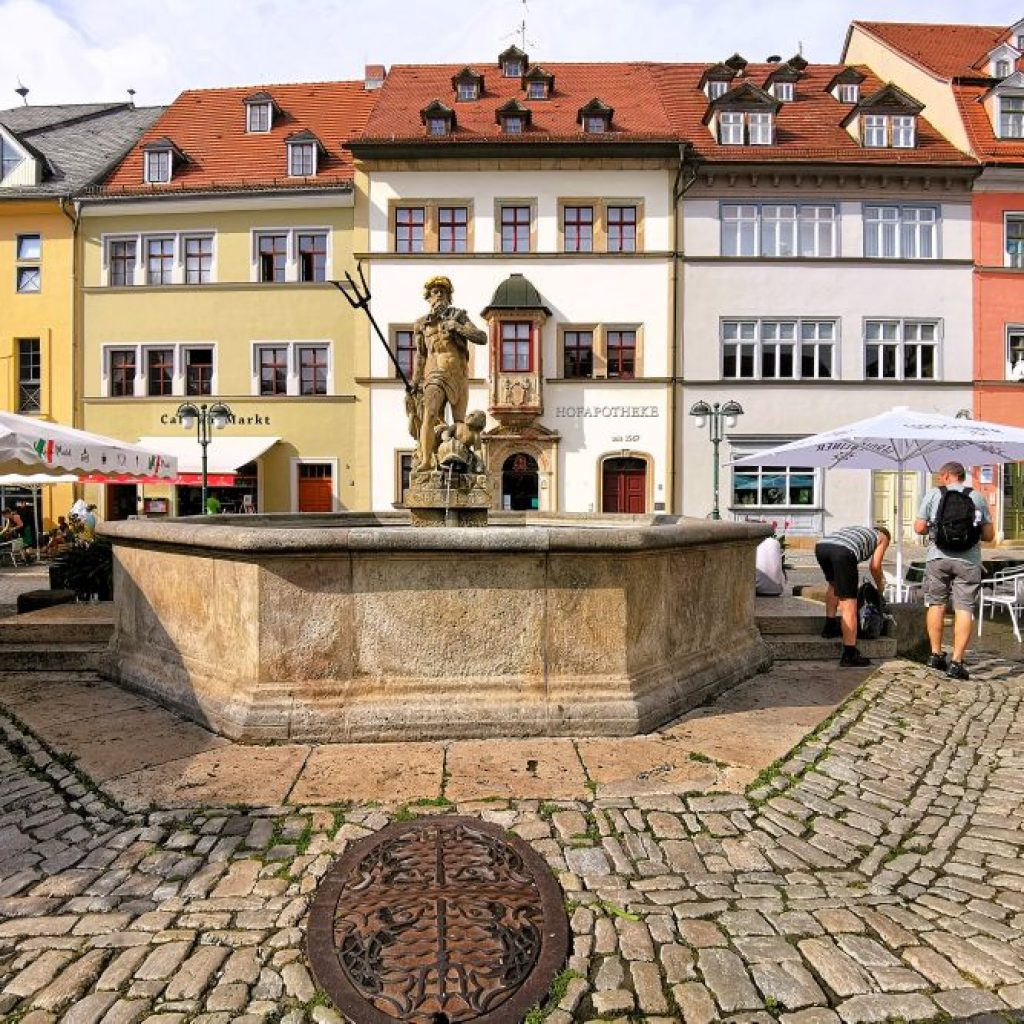
Weimar historical town (Photo:LC/Cleverdis)
The three cities jointly participate in various events such as ITB Berlin, international roadshows, workshops with tour operators while organising press trips and campaigns with the German National Tourist Board (GNTB) and the Deutsche Bahn.