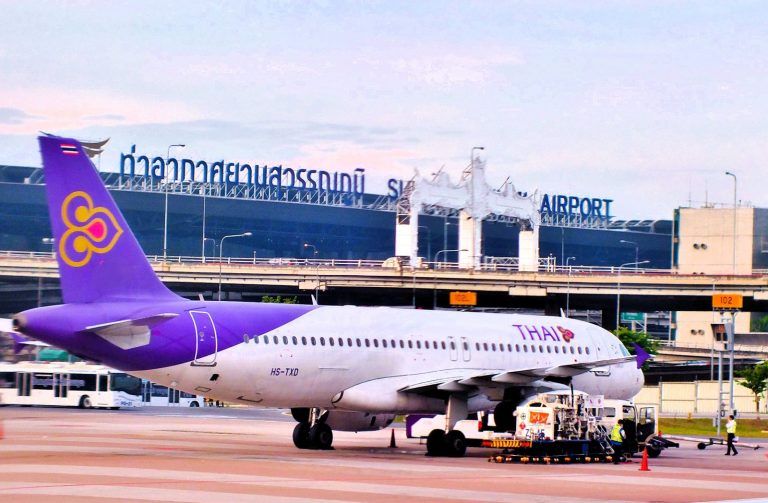
Thai Airways International will almost double fuel surcharges on multiple routes for all tickets issued from May 1. These surcharges, included directly in the ticket price, will affect both regional and long-haul services.
It follows a recent reduction in flight frequencies on domestic, regional and intercontinental routes.
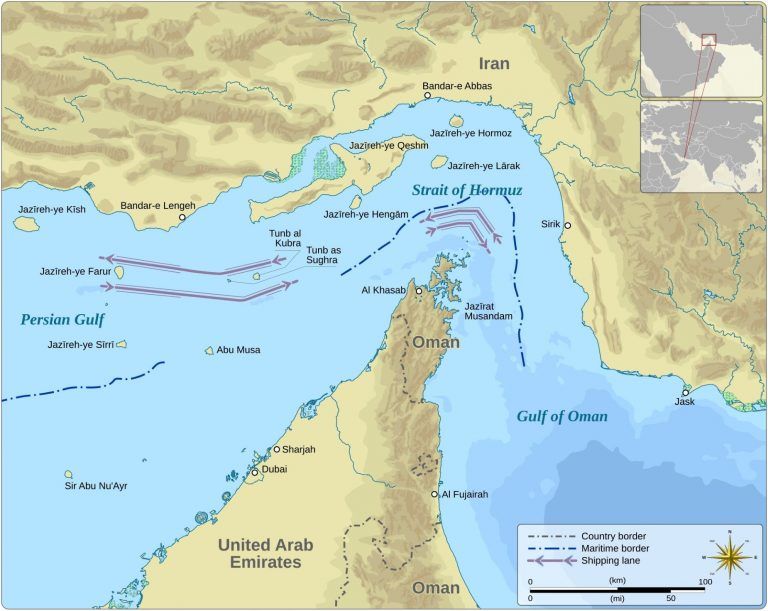
The airline explains the move with the sharp increase in jet fuel since the start of the US/Iran conflict. Jet fuel prices are multiplied by 3 compared to the period prior to the war.
Examples have been provided about the new level of the surcharges:
On Bangkok–Yangon, the surcharge will rise from USD 49 (1,780 baht) to USD 93 (3,390 baht) in economy class, and from USD 71 (2,580 baht) to USD 136 (4,930 baht) in business class.
On Bangkok–Beijing and Bangkok–Delhi, it will increase from USD 126 (4,580 baht) to USD 241 (8,760 baht) in economy, and from USD 177 (6,440 baht) to USD 334 (12,130 baht) in business class.
For Bangkok–Seoul and Bangkok–Tokyo Narita, surcharges will jump from USD 152 (5,540 baht) to USD 292 (10,630 baht) in economy, and from USD 223 (8,120 baht) to USD 426 (15,530 baht) in business class.
Bangkok–Sydney will see fuel surcharges rise from USD 203 (7,410 baht) to USD 389 (14,170 baht) in economy, and from USD 300 (10,950 baht) to USD 574 (20,930 baht) in business class.
The steepest increases apply to European routes such as Milan, London or Paris, where surcharges will climb from USD 275 (9,990 baht) to USD 524 (19,070 baht) in economy class, and from USD 510 (18,680 baht) to USD 982 (35,750 baht) in business class. All these surcharges apply to a return ticket.
Passengers who have tickets issued by Thursday (April 30, 2026) will still receive the existing rates, even if their travel date is after Friday (May 1, 2026).