
Tensions continue to rise between Venezuela and the United States with air transport being the latest casualty. On Saturday Nov. 29, US President Donald Trump escalated tensions with Venezuela by warning airlines to avoid the country’s airspace.
“To all Airlines, Pilots, Drug Dealers, and Human Traffickers, please consider THE AIRSPACE ABOVE AND SURROUNDING VENEZUELA TO BE CLOSED IN ITS ENTIRETY,” Trump posted on Truth Social, offering no further details.
The warning follows an alert from the Federal Aviation Administration, which cautioned major carriers of a “potentially hazardous situation” over Venezuela, citing a “worsened security situation and heightened military activity in or around” the country.
Caracas condemned Trump’s message as a “colonialist threat,” with the Foreign Ministry saying it constituted “illegal and unjustified aggression against the Venezuelan people.”
The announcement comes amid increased US pressure on Venezuelan President Nicolás Maduro while making efforts to combat drug trafficking. Since September, US forces have targeted more than 20 Venezuelan vessels, allegedly involved in drug smuggling, resulting in over 80 deaths, according to reports.
In response to Trump’s warning at airlines, Venezuela has introduced special travel measures, as reported by RIA Novosti. Vice President Delcy Rodriguez announced on Sunday to organize the departure and return of Venezuelan citizens. She explained that efforts will also be made to secure departure options for outbound travelers.
Rodriguez emphasized that Caracas has “activated all multilateral mechanisms in accordance with international law“ to counter what it considers an illegal and hostile action and affirmed that “Venezuela will always prevail.”
International airlines banned to land in Caracas
In parallel, the country reinforced background checks for foreign visitors, expanded monitoring of high-risk travelers, and launched new operational requirements for airlines entering Venezuelan airspace. These measures require carriers to file detailed flight manifests earlier than usual and coordinate closely with Venezuelan authorities, potentially causing delays.
Venezuela already banned six major international airlines from landing in the country after they failed to meet a 48-hour deadline to resume flights there.
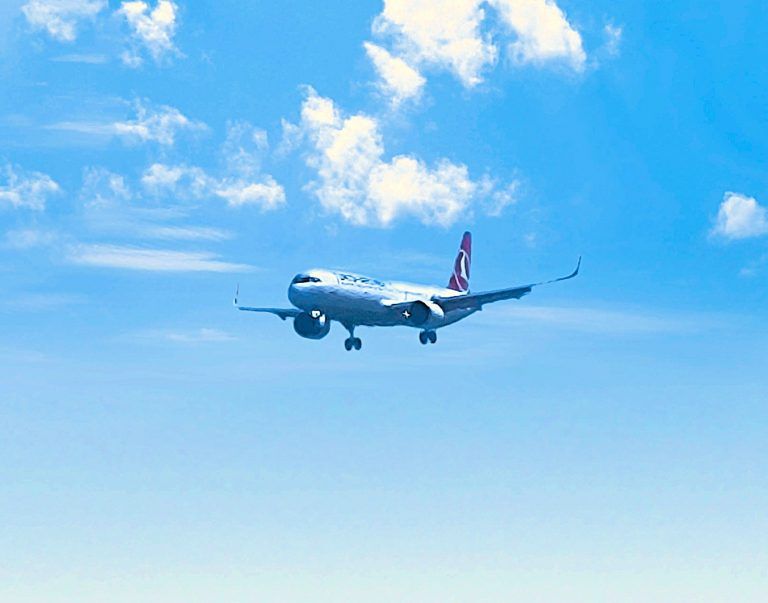
The airlines – Avianca, Latam Colombia, Go, Iberia, TAP Air Portugal and Turkish Airlines, decided to temporarily suspend their routes into Caracas, after the US warned of “heightened military activity” in the area.
Angered by this, the Venezuelan government issued the carriers with an ultimatum to resume flights. Which was not followed by the mentioned airlines.