
At 60, ITB Berlin defines trends in tourism and looks for the future, tells ITB Director Deborah Rothe
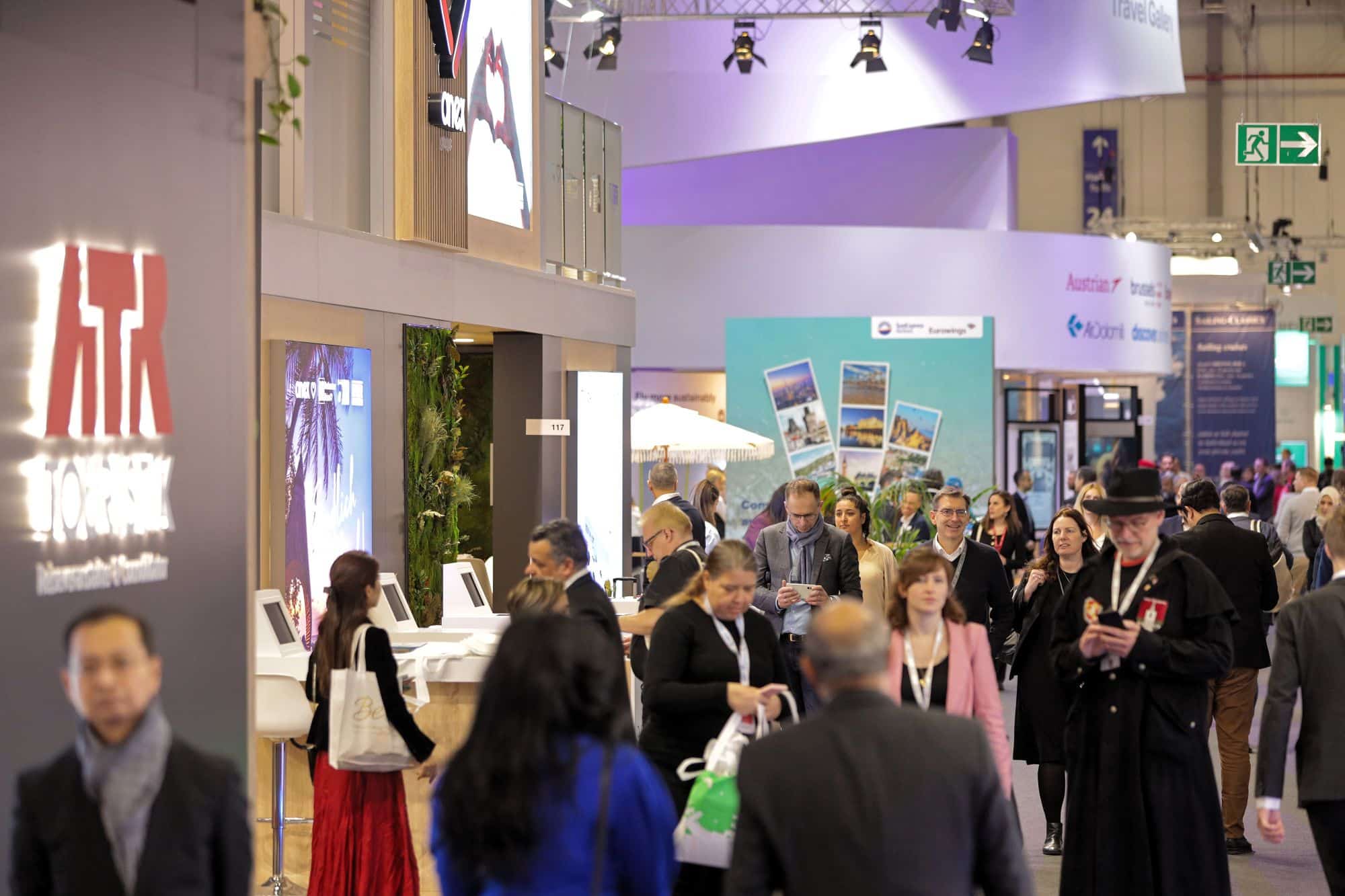
For Deborah Rothe, Director of ITB Berlin, welcoming the world at ITB is one of the highlights of her job. Particularly this year, as the show’s 60th anniversary takes place at a defining moment for global tourism.
“ ITB Berlin turns 60, but instead of reflecting on the past, we’re accelerating forward,” Rothe said during a digital presentation. “The industry is navigating geopolitical uncertainty, AI disruption, climate pressure and shifting consumer values. In that environment, ITB Berlin is more than a trade show. It’s a strategic platform.”
ITB focus is definitely assessing the present and shaping the future. For six decades, ITB Berlin has mirrored the evolution of tourism, but Rothe sees the 2026 edition more like a compass which guides the sector through transformation. ” Tourism today goes far beyond travel itself. It’s about economic stability, global connectivity and sustainable progress. ITB Berlin is where the future of tourism is negotiated, where resilience and innovation become business reality.”
Entire tourism ecosystem under one roof
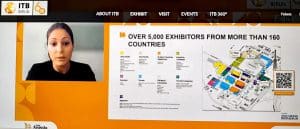
This year’s edition will once prove its relevance for the travel industry. It brings together more than 5,000 exhibitors from over 160 countries, reflecting shifting global power dynamics. Asia-Pacific shows this year strong momentum, with Thailand among the largest exhibitors, alongside expanded participation from Malaysia, Japan and Indonesia. Rothe noted that Bhutan is returning after several years.
Mediterranean destinations including Egypt, Turkey and Italy remain also strong investment pillars, following strong consumers’ demand for these destinations.
Africa is also stepping forward, with Angola serving as the official host country under the theme “The Rhythm of Life.”
Rothe described Angola as representing authenticity, scale and untapped potential, positioning itself as both an emerging destination and an investment opportunity. “Becoming an official host country involves a rigorous selection process focused on long-term tourism strategies, sustainability commitments and market potential. These criteria shaped the choice of Angola for 2026,” she added.
ITB Berlin’s structure remains one of its defining strengths. The event connects the full tourism value chain – destinations, hospitality, mobility and key sectors such as travel tech, medical tourism, luxury travel, MICE and talent development.
The travel technology segment alone spans six halls and is already fully booked, highlighting the industry’s accelerating digital transformation. AI innovation is omnipresent across the show floor. While no single AI-only hall exists, artificial intelligence solutions are embedded across the multiple travel tech halls, complemented by dedicated AI tracks at the ITB Berlin Convention.
Health and medical tourism is another major focus, reflecting a global shift toward longevity, prevention and evidence-based wellness travel. Health is according to Rother a primary travel driver today. The expansion of the medical and health tourism pavilion, supported for the first time by Charité Universitätsmedizin Berlin, underscores the rise of the “longevity economy.”
“Health, sustainability and innovation are converging,” Rothe said. “And ITB Berlin is where these trends move from ideas into business strategies.”
ITB Berlin Director pointed also to a strong presence of the cruise industry, of many airlines -although many of them exhibit alongside destination partners as well as the adventure and culture segments.
Economic powerhouse for Berlin
She also recognized the importance of Germany’s presence. “ITB Berlin is a German show. And Germany has been a historical partner as it was among the five countries present at the first ITB Berlin in 1966. It is then very important to have a great German tourism representative stand with all the Federal States on side. Almost all federal states are attending in Hub 27, except Schleswig-Holstein and Saarland.”
Finally Deborah Rothe acknowledged the invaluable economic role of ITB Berlin. Over 100,000 trade buyers will be at the show during three days with many attending to finalize purchasing decisions and initiate contracts expected to be signed both during and after the event.
Meanwhile ticket sales are already exceeding last year’s levels, signaling strong confidence in tourism as a growth sector.
Beyond industry deals, the event also delivers significant economic benefits to Berlin itself. According to Rothe, each attendee generates an estimated economic impact of nearly €300 during the show, with many visitors extending their stays and contributing to the city’s hotels, restaurants and broader hospitality economy.
ITB definitely remains an unmissable event for Berlin. And this, more than ever during this 60th anniversary year.
Related News Stories: ITB Berlin at 60 shapes future of global tourism - TravelMole ITB Berlin 2026 facilitates work for the trade with ITB Navigator News Archive - Page 5339 of 9691 - TravelMole Blog Archives - Page 208 of 493 - TravelMole News Archive - Page 1867 of 9685 - TravelMole Cheryl - TravelMole Fletch Brunelle, VP Marketing, Las Vegas CVA - TravelMole The Countdown to 2026 Begins - TravelMole ITB Berlin Convention 2026 maps tourism's balanced future Hamburg showcases major ITB Berlin 2026 tourism presence


newadmin

















Vegas’s Billion-Dollar Secrets – What They Don’t Want Tourists to Know

Visit Florida’s New CEO Bryan Griffin Shares His Vision for State Tourism with Graham

Chicago’s Tourism Renaissance: Graham Interviews Kristin Reynolds of Choose Chicago

Graham Talks with Cassandra McCauley of MMGY NextFactor About the Latest Industry Research

Destination International’s Andreas Weissenborn: Research, Advocacy, and Destination Impact

Graham and Don Welsh Discuss the Success of Destinations International’s Annual Conference

Graham and CEO Andre Kiwitz on Ventura Travel’s UK Move and Recruitment for the Role

Brett Laiken and Graham Discuss Florida’s Tourism Momentum and Global Appeal

Graham and Elliot Ferguson on Positioning DC as a Cultural and Inclusive Global Destination

Graham Talks to Fraser Last About His England-to-Ireland Trek for Mental Health Awareness

Kathy Nelson Tells Graham About the Honour of Hosting the World Cup and Kansas City’s Future

Graham McKenzie on Sir Richie Richardson’s Dual Passion for Golf and His Homeland, Antigua







 ADS PRO
Global tourism exceeds 1.5 billion travelers announces UN-Tourism
Qatar Airways offers reduced timetable to over 60 destinations
WTTC global tourism reached record economic impact of 11 trillion in 2025
Marginal increase for New York City tourism in 2025
Hands In, UATP join forces for airline multi-card payments