
Carnival Corp bids to dismiss Cuba lawsuits
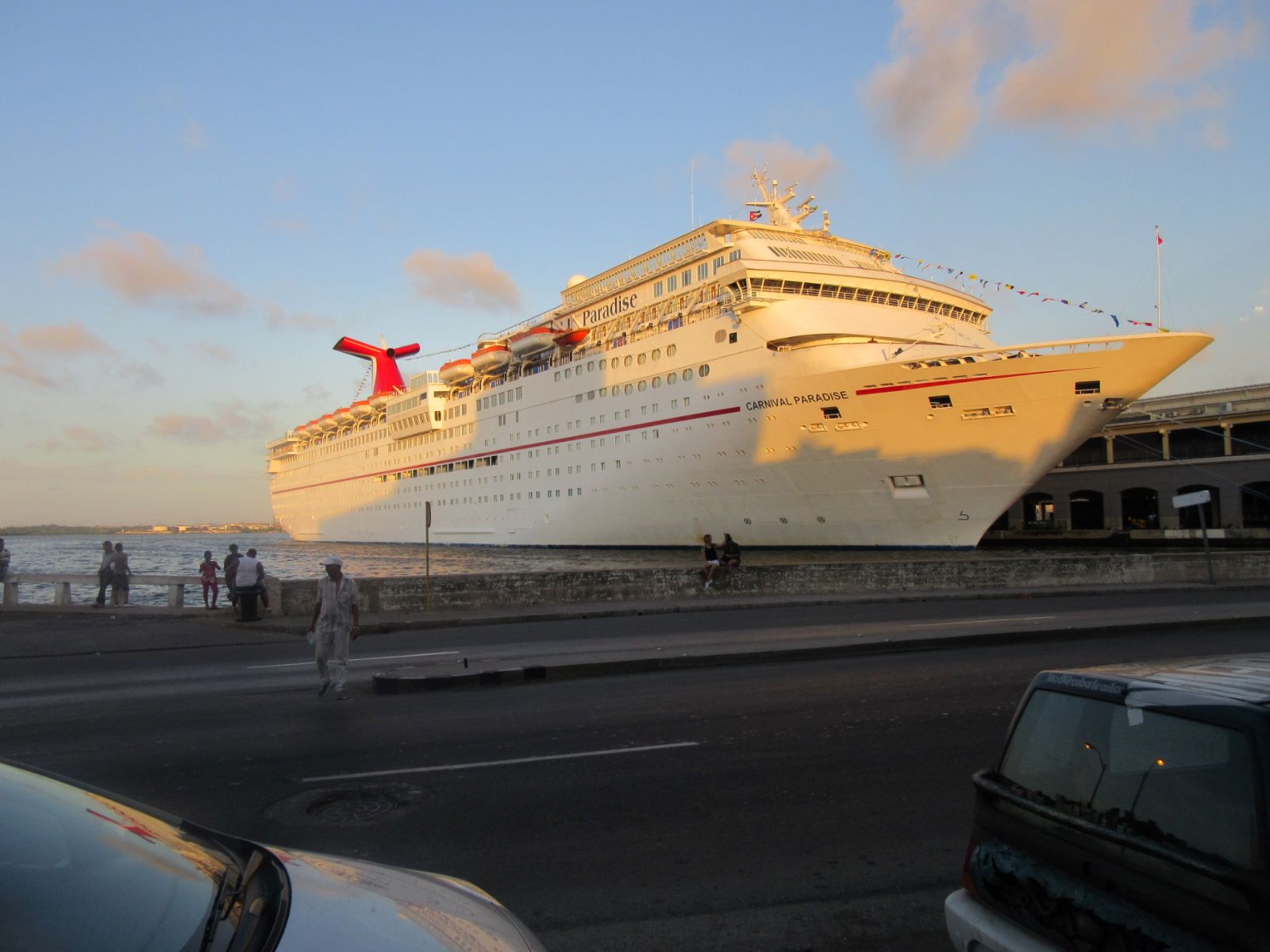
Carnival Corp is seeking a dismissal of lawsuits claiming it is profiting from ‘stolen property’ seized by Cuba in the 1960s.
Two US nationals filed suits against the cruise company in a Florida court because it uses cruise port facilities allegedly taken by Cuban authorities after the Fidel Castro revolution.
The lawsuits were filed almost immediately after the Trump administration allowed the possibility of legal action under a long dormant section of the 1996 Helms-Burton Act.
Carnival responded by seeking a dismissal, citing a widely-held interpretation that the law does not apply to lawfully approved travel.
"Helms-Burton has no application here. First, by its own terms, trafficking under Helms-Burton does not include uses of property ‘incident to lawful travel to Cuba’," Carnival stated in a filing.
The success of the lawsuit will rest on whether courts deem ‘lawful travel’ inseparable from tourism which is technically outlawed under the trade embargo.
"The fulcrum for determining the outcome of all travel-related lawsuits will be whether there has been tourism," said John Kavulich, of the U.S.-Cuba Trade and Economic Council Inc.
Carnival has also questioned the ownership rights of the two plaintiffs, who claim ownership from their relatives.
Cuba says only four lawsuits had been filed so far.
It potentially impacts all international businesses operating on or doing business with properties seized by Cuba, although the EU and Canada have said they will seek to block legal action directed at their companies.
Ambassador of the European Union Alberto Navarro said there will be support for further tourism development in Cuba but Cuba has also been trying to woo more Chinese tourism investment, which will inevitably antagonize the US government.
"Real progress is being made in boosting collaboration with China in the tourism sector and we hope to announce new investments in the near future," Jose Daniel Alonso, director of business development at Cuba’s Ministry of Tourism told Chinese news outlet Xinhua last month.


TravelMole Editorial Team
Editor for TravelMole North America and Asia pacific regions. Ray is a highly experienced (15+ years) skilled journalist and editor predominantly in travel, hospitality and lifestyle working with a huge number of major market-leading brands. He has also cover in-depth news, interviews and features in general business, finance, tech and geopolitical issues for a select few major news outlets and publishers.




















Vegas’s Billion-Dollar Secrets – What They Don’t Want Tourists to Know

Visit Florida’s New CEO Bryan Griffin Shares His Vision for State Tourism with Graham

Chicago’s Tourism Renaissance: Graham Interviews Kristin Reynolds of Choose Chicago

Graham Talks with Cassandra McCauley of MMGY NextFactor About the Latest Industry Research

Destination International’s Andreas Weissenborn: Research, Advocacy, and Destination Impact

Graham and Don Welsh Discuss the Success of Destinations International’s Annual Conference

Graham and CEO Andre Kiwitz on Ventura Travel’s UK Move and Recruitment for the Role

Brett Laiken and Graham Discuss Florida’s Tourism Momentum and Global Appeal

Graham and Elliot Ferguson on Positioning DC as a Cultural and Inclusive Global Destination

Graham Talks to Fraser Last About His England-to-Ireland Trek for Mental Health Awareness

Kathy Nelson Tells Graham About the Honour of Hosting the World Cup and Kansas City’s Future

Graham McKenzie on Sir Richie Richardson’s Dual Passion for Golf and His Homeland, Antigua







 ADS PRO
Higher departure tax and visa cost, e-arrival card: Japan unleashes the fiscal weapon against tourists
Euromonitor International unveils world’s top 100 city destinations for 2025
U.S.A. and Israel attacks on Iran impact air movements in the Gulf (Update 1.00pm CET)
Global tourism exceeds 1.5 billion travelers announces UN-Tourism
WTTC global tourism reached record economic impact of 11 trillion in 2025