
Colombia capitalizes bioeconomy for tourism
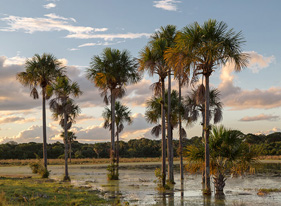
New UK funding to protect the habitat of the spectacled bear for ecotourism, boost the coffee and chocolate industries and help rebuild post-conflict lives.
Colombian innovation is to benefit from nearly £6.5 million of UK funding. The award is one of 37 announced by Research Councils UK to support projects tackling some of the most serious global challenges.
The 2016 peace deal makes it possible for researchers to undertake new bio-expeditions. They will be able to discover new species and to catalogue plants and wildlife that could be valuable for ecotourism, medicine and industry.
The four-year investment from RCUK’s Global Challenges Research Fund is set to stimulate the bioeconomy by increasing knowledge of Colombia’s greatest treasure: its biodiversity.
It will help Colombian researchers, industry partners and crop breeders gain the skills needed to drive sustainable innovation and to attract further public and private funding.
Colombia is the second richest country in the world after Brazil in terms of biodiversity, but only 41st by GDP ranking. The country’s natural riches could help boost GDP and help secure social equality and long-term peace. For example, they are likely to be a treasure-trove for new medicines, agricultural innovation and ecotourism.
"A successful bioeconomy would be one that creates new scientists, research capabilities and investments while at the same time improving human welfare in parts of the country that have seen years of instability," says the Earlham Institute’s Professor Federica Di Palma, who brought the Bridge Colombia partners together and led the successful funding bid.
Many of the strongholds of the Revolutionary Armed Forces of Colombia (FARC) were in remote and richly biodiverse areas. Since the guerrilla group relinquished control, deforestation has increased due to illegal logging and mining. As part of the new project, communities in these areas will be surveyed to better understand how to help them achieve economic stability in a way that secures the nation’s rich resources for future generations.
Some of these same areas include virgin rainforest, remote savanna and vertiginous mountains that have not been studied by researchers since the expedition led by Alexander von Humboldt in the early 1800s.
"It is important to know how much the amazing biodiversity of the country could be worth to the Colombian economy," says Professor Di Palma.
"Only then can its value be understood, bringing communities on board and making new partnerships to ensure that instead of losing it for short-term gains, it can carry on providing a source of income for generations to come."
Enrique Fatas, Professor of Economics from the University of East Anglia, said:
"In rural areas hit by the long and tragic conflict, many people feel excluded from Colombia’s economic progress. The interdisciplinary team in this project will engage with local communities to ensure they benefit from Colombia’s biodiversity, promoting inclusive and sustainable growth."
Valere Tjolle
@ValereTjolle


Valere



















Vegas’s Billion-Dollar Secrets – What They Don’t Want Tourists to Know

Visit Florida’s New CEO Bryan Griffin Shares His Vision for State Tourism with Graham

Chicago’s Tourism Renaissance: Graham Interviews Kristin Reynolds of Choose Chicago

Graham Talks with Cassandra McCauley of MMGY NextFactor About the Latest Industry Research

Destination International’s Andreas Weissenborn: Research, Advocacy, and Destination Impact

Graham and Don Welsh Discuss the Success of Destinations International’s Annual Conference

Graham and CEO Andre Kiwitz on Ventura Travel’s UK Move and Recruitment for the Role

Brett Laiken and Graham Discuss Florida’s Tourism Momentum and Global Appeal

Graham and Elliot Ferguson on Positioning DC as a Cultural and Inclusive Global Destination

Graham Talks to Fraser Last About His England-to-Ireland Trek for Mental Health Awareness

Kathy Nelson Tells Graham About the Honour of Hosting the World Cup and Kansas City’s Future

Graham McKenzie on Sir Richie Richardson’s Dual Passion for Golf and His Homeland, Antigua







 ADS PRO
Global tourism exceeds 1.5 billion travelers announces UN-Tourism
Qatar Airways offers reduced timetable to over 60 destinations
WTTC global tourism reached record economic impact of 11 trillion in 2025
Hands In, UATP join forces for airline multi-card payments
Overseas travelers to the United States declined by 2.5% in 2025