
easyJet Holidays generated €5.9 billion ($6.9 billion) in economic impact in 2025, according to its latest Impact Report, which outlines the brand’s contribution and commitment to delivering exceptional, sustainable vacations at competitive prices.
As easyJet Holidays steps up efforts to make sustainable travel more mainstream, the report shows a 65% increase in certified sustainable hotels and continued investment in lower-carbon initiatives. It also highlights how the company is scaling practical solutions across its operations, partners, and destinations through its “Holiday Better” strategy.
The report demonstrates strong year-over-year progress across its three key pillars: creating better vacation choices, keeping vacations special, and transforming travel for everyone.
Socioeconomic Impact in Key Mediterranean Destinations
easyJet Holidays commissioned Tourism Economics, part of Oxford Economics, to evaluate its impact across major destinations in Spain, Greece, and Turkey. The study found that easyJet Holidays generated €5.9 billion in economic output in these markets in 2025, contributing €2.4 billion to GDP, supporting 42,900 jobs, and generating €678 million in tax revenue.
Customers also spent an estimated €1.2 billion with local businesses, underscoring the important role package vacations play in supporting destination economies. The research further shows that easyJet Holidays customers stay significantly longer than average visitors, increasing their overall spending and economic contribution.
Significant Growth in Certified Sustainable Hotels
A key milestone in 2025 is the rapid expansion of easyJet Holidays’ certified sustainable accommodation portfolio:
- More than 2,800 properties now hold internationally recognized sustainability certifications—a 65% year-over-year increase
- Certification efforts have focused on high-impact areas, including 42 of its top 100 highest-volume hotels
- The company continues investing in partner education through its ongoing work with the Global Sustainable Tourism Council (GSTC)
This builds on last year’s progress, when more than one-third of best-selling properties were certified, showing continued momentum in making sustainable options more accessible to customers.
Electric Transfers Expand Across Europe
Following the successful launch of electric vehicle transfers in Rhodes last year, easyJet Holidays has expanded the initiative to new destinations, including Antalya, Turkey:
- More than 11,000 customers have used electric transfers
- Nearly 500,000 kilometers covered—equivalent to about 12 trips around the Earth
- Over 85 metric tons of CO₂e emissions saved
This initiative reflects the company’s focus on practical, scalable solutions that reduce emissions while enhancing the customer experience.
Supporting Local Communities and Rural Tourism
The report also highlights new efforts to ensure tourism delivers meaningful benefits to local communities.
Through collaboration with partners in Greece, easyJet Holidays identified a need to better connect rural communities with mainstream tourism while protecting cultural heritage. In response, the company partnered with Planeterra to:
- Support the development of community-based tourism enterprises
- Provide training, tools, and networks to help communities participate sustainably
- Explore opportunities to integrate these experiences into future vacation offerings
These efforts aim to create new income opportunities, enrich customer experiences, and preserve what makes destinations unique.
Reducing Plastic Waste in Destinations
Responding to growing customer demand to reduce single-use plastics, easyJet Holidays has expanded its work with hotel partners in Menorca:
- Four partner hotels and chains have undergone certification processes supported by audits and guidance
- More than 50 kg of plastic waste has already been avoided
- Over 100 plastic-free alternatives have been introduced for hotels to adopt
These initiatives are designed to drive long-term, scalable change across destinations.
Driving Industry Progress Through Partnerships
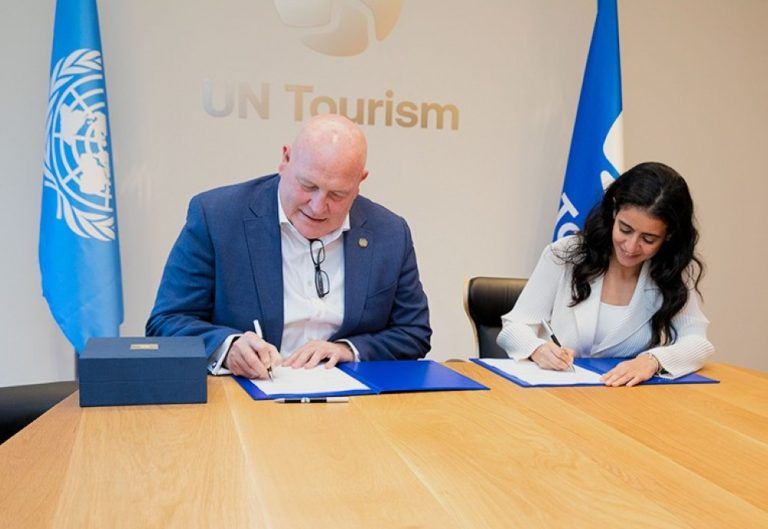
The report also highlights easyJet Holidays’ continued collaboration with global organizations, including its partnership with UN Tourism to develop the first environmental, social, and governance (ESG) framework for the tourism industry.
The company also partners with Winnow to tackle systemic challenges such as food waste. With food waste identified as a major issue—reaching nearly half a plate per guest per meal in some resorts—easyJet Holidays is helping develop practical frameworks and guidance for hotels to reduce waste at scale.
Focus on Scale and Real-World Impact
Garry Wilson, CEO of easyJet Holidays, said: “As a mainstream tour operator, we have both the responsibility and the opportunity to help shape the future of travel. This year’s Impact Report highlights the progress we’re making and, for the first time, helps quantify the broader contribution of our vacations through our partnership with Oxford Economics.
“From expanding our certified hotel portfolio to scaling lower-carbon transportation and supporting local communities, we’re focused on delivering measurable change at scale. This report shows how we’re turning practical solutions into meaningful action across mainstream travel.
“Our work with Oxford Economics is an important step in understanding and demonstrating that contribution, helping ensure we continue to deliver value not only for our customers, but also for the destinations and communities we serve.”