
Eat Caribbean’s version of blowfish to save the rest
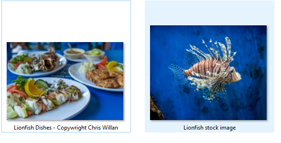
Putting lionfish on the tourist menu to save Saint Lucia’s reefs – delicious!
A new initiative is being launched which aims to help control the invasive ‘lionfish’ species by encouraging local people to catch and serve it to tourists. This will conserve native reef fish stocks around Saint Lucia and support local fishing communities.
The rapid and devastating invasion of the lionfish in the Caribbean Sea is threatening the survival of coral reef systems, reducing native fish numbers by up to 80% . In Saint Lucia, lionfish populations are increasing, but consumption is low. This is partly due to the misconception that the fish is poisonous and can’t be eaten (although the spines are venomous, with correct handling they can be easily and safely removed). Research indicates that one of the best ways to control this species is to increase its consumption, and in Saint Lucia there is a lot of potential for increasing demand, particularly among international visitors.
"As beautiful as they may seem, Lionfish are responsible for reducing native fish numbers in Saint Lucia, which is devastating for both the reef and the local fishing industry. This project aims to rectify this imbalance, reducing the number of Lionfish whilst providing a new market to increase the income for local fishers" said Salli Felton, CEO of the Travel Foundation.
The Travel Foundation will work with fishing co-operatives, wholesalers, hotels and tourist restaurants to build supply-chain links, demonstrating the economic value of catching and serving lionfish.
The fishing community will receive training on the safe handling and processing of lionfish – including the supply of puncture-proof fish handling gloves and better traps. The Travel Foundation will also make hotels and restaurants aware of the benefits of purchasing lionfish, and how to communicate these to customers.
It is hoped the project will help protect the coral reef – one of Saint Lucia’s key tourism assets – and allow native fish populations to recover, as well as improving livelihoods for local fishers.
To find out more about the Travel Foundation’s work and to get involved, please visit http://www.thetravelfoundation.org.uk
Valere Tjolle
@ValereTjolle


Valere





















Vegas’s Billion-Dollar Secrets – What They Don’t Want Tourists to Know

Visit Florida’s New CEO Bryan Griffin Shares His Vision for State Tourism with Graham

Chicago’s Tourism Renaissance: Graham Interviews Kristin Reynolds of Choose Chicago

Graham Talks with Cassandra McCauley of MMGY NextFactor About the Latest Industry Research

Destination International’s Andreas Weissenborn: Research, Advocacy, and Destination Impact

Graham and Don Welsh Discuss the Success of Destinations International’s Annual Conference

Graham and CEO Andre Kiwitz on Ventura Travel’s UK Move and Recruitment for the Role

Brett Laiken and Graham Discuss Florida’s Tourism Momentum and Global Appeal

Graham and Elliot Ferguson on Positioning DC as a Cultural and Inclusive Global Destination

Graham Talks to Fraser Last About His England-to-Ireland Trek for Mental Health Awareness

Kathy Nelson Tells Graham About the Honour of Hosting the World Cup and Kansas City’s Future

Graham McKenzie on Sir Richie Richardson’s Dual Passion for Golf and His Homeland, Antigua







 ADS PRO
Global tourism exceeds 1.5 billion travelers announces UN-Tourism
Qatar Airways offers reduced timetable to over 60 destinations
WTTC global tourism reached record economic impact of 11 trillion in 2025
Hands In, UATP join forces for airline multi-card payments
Overseas travelers to the United States declined by 2.5% in 2025