Egypt has introduced nationwide early closing hours for shops, restaurants, and cafés as part of efforts to conserve fuel-powered electricity amid the ongoing U.S.-Israel conflict with Iran, a move that could reshape Cairo’s famed late-night culture while sparing key tourism businesses.
According to Associated Press (AP News), the measures took effect on Saturday, March 30, requiring most establishments to shut earlier than usual and cutting into peak evening trading hours. Implemented for April, restaurants, shops and malls must close at 9.00pm. However they can still keep open until 10.00pm on Thursday and Friday (Egypt week-end).
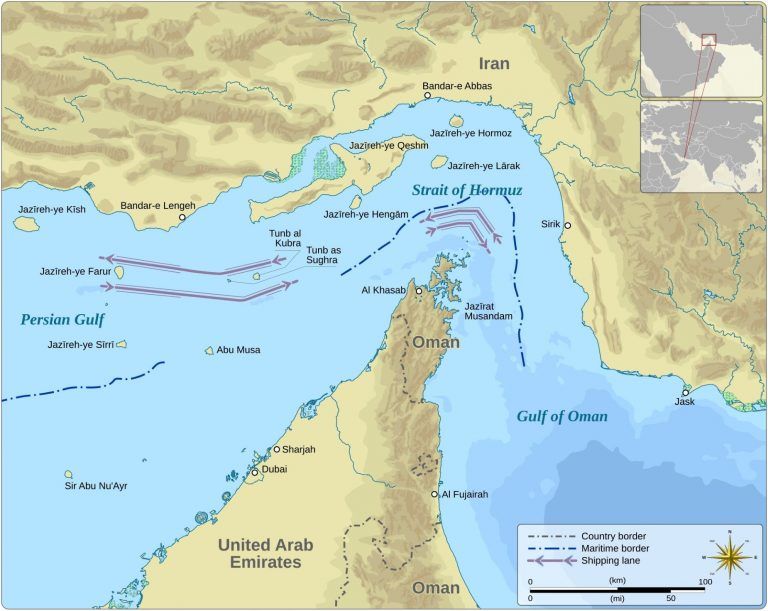
The policy is part of a broader response to the economic ripple effects of the regional conflict, which has driven up global oil prices and disrupted shipping routes.
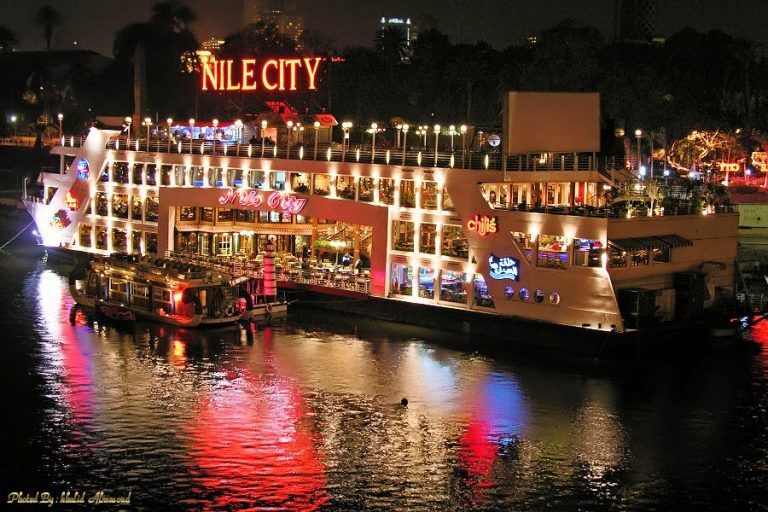
Local business owners say the impact is immediate. “It’s ruinous,” said Cairo café owner Youssef Salah to AP News. He already reduced his 35-person workforce by about 40% after losing late-night business. Many cafés and eateries traditionally operate into the early morning, forming a core part of urban life in Cairo.
Authorities argue the restrictions are necessary to protect energy supplies and avoid more severe disruptions. However, enforcement has been uneven, with some venues continuing to serve customers behind closed doors and criticism spreading on social media.
Tourism-related activities exempted
At the same time, the government has moved to protect a critical pillar of the economy by granting exceptions for tourism-related businesses. Hotels, resorts, and tourism-focused venues in key destinations such as Sharm el-Sheikh and Hurghada are largely allowed to operate beyond the standard closing hours. Restaurants for tourists are also exempted all across Egypt.
The exemption is intended to preserve Egypt’s appeal to international visitors and safeguard a major source of foreign currency. Tourism remains vital to the country’s economy, and officials are seeking to avoid measures that could deter travelers.
The overall impact on tourism is expected to be mitigated. Industry observers note that Egypt’s main attractions such as historical sites and Red Sea resorts, are primarily daytime experiences. However, Cairo’s vibrant nightlife, although an important part of its appeal, is the most likely to suffer.
However, some analysts suggest that, if these measures may ultimately have limited impact, rising costs linked to the conflict could generate more trouble for the tourism industry by pushing up prices for accommodations and services, potentially weighing on demand.