New tracks between Switzerland and Germany to boost rail connectivity in Europe
A major rail project between Basel in Switzerland and Karlsruhe in Southern Germany will revitalize one of the most important rail corridors in Europe as part of a Netherlands-Italy connection.
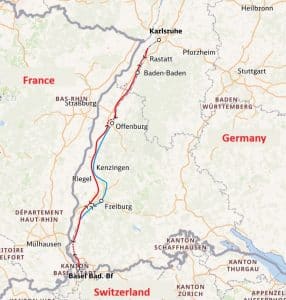
The expansion and partial construction of a new rail line between Karlsruhe and Basel marks a major step forward in strengthening Europe’s rail connectivity. This historic corridor, known as the Rhine Valley Railway, dates back to the 19th century and today links key economic regions in Germany with Switzerland and onward to northern Italy.
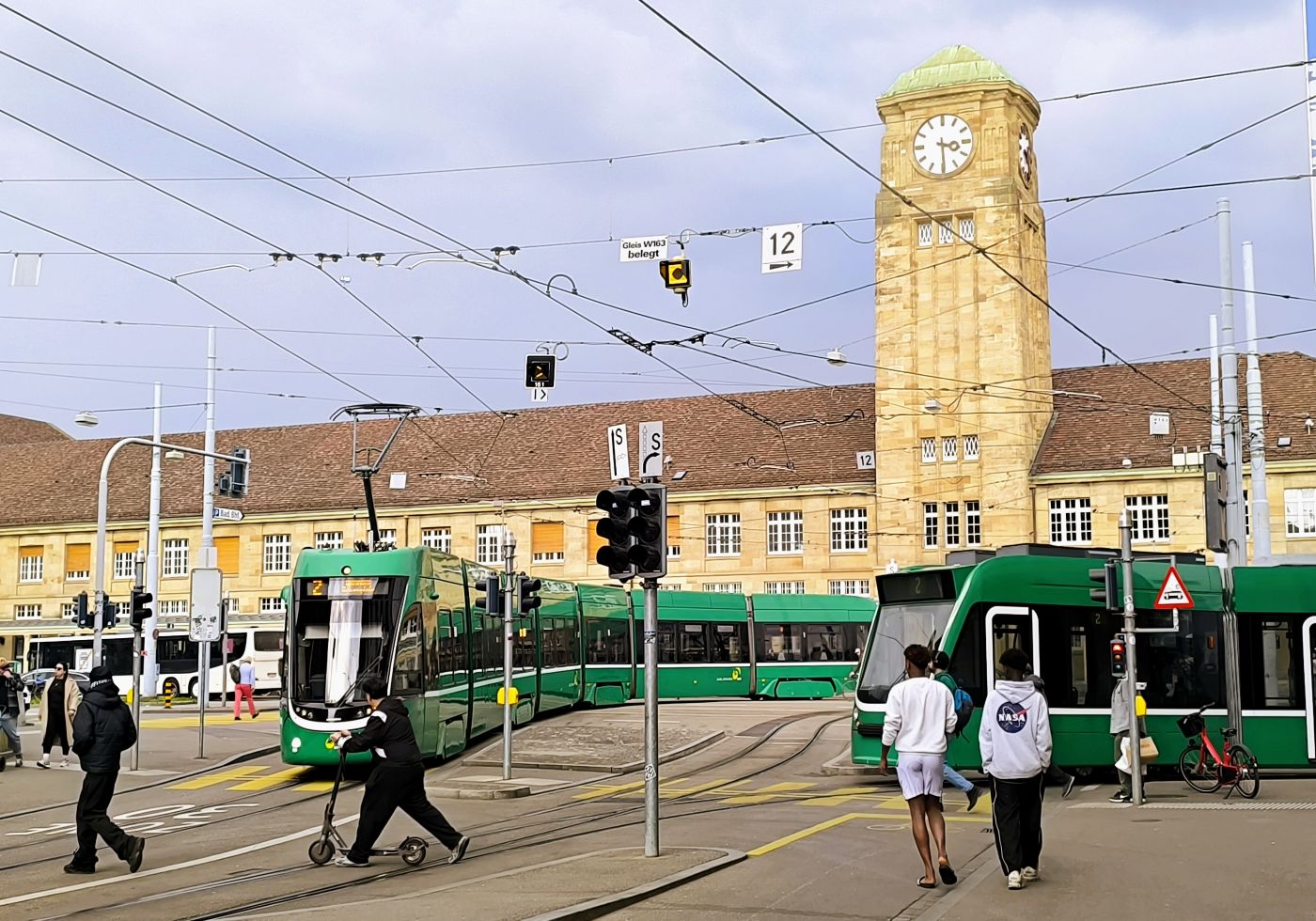
For visitors, the starting point of the rail line is a historical curiosity. A state treaty signed in 1852 allows Germany to build a 3.1 km long railway infrastructure on Swiss territory up to the German border, and operate it.
As a result, Basel’s Badischer Bahnhof remains under German ownership, even though it is located in Switzerland. The cross-border nature of the project is then conducted by German authorities but the approval process for the current expansion has been conducted under Swiss law, reflecting close cooperation between German and Swiss authorities.
Currently, around 300 long-distance, regional, and freight trains operate daily along this heavily used route. Stretching approximately 180 kilometers between Karlsruhe and Basel Badischer Bahnhof, the line has reached its capacity limits, leading to bottlenecks, delays, and reduced service reliability across the Rhine plain.
To address this, German rail operator Deutsche Bahn is undertaking a major upgrade to transform the route into a four-track railway, adding two additional tracks to significantly increase capacity.

A major upgrade for Europe rail system
This upgrade will allow passenger and freight trains to run on separate tracks, improving punctuality and overall operational efficiency. Travelers will also benefit from reduced journey times.
Basel Bad Bahnhof is currently linked to the rest of Germany, including ICE trains to Berlin, Frankfurt, Hamburg, Munich, Stuttgart and Milan.
Once completed, regional passengers can expect to save around five minutes per trip, while long-distance travelers could see travel times reduced by up to 25 minutes. The journey between Karlsruhe and Basel is projected to take just 70 minutes—approximately 30 minutes less than today.
The project is also closely tied to Switzerland’s New Rail Link through the Alps (NEAT), including the Lötschberg, Gotthard, and Ceneri base tunnels. With these major transalpine routes now operational, a further increase in rail traffic along the Karlsruhe–Basel corridor is anticipated, making the expansion all the more critical.
Beyond capacity and speed improvements, the project also brings environmental benefits. By shifting more traffic to rail, it supports sustainable transport goals, while extensive noise protection measures—such as sound barriers, rail dampers, and protective galleries—will significantly reduce noise levels for communities along the line.
This ambitious rail project underscores a shared European commitment to modern, efficient, and sustainable rail transport—seamlessly connecting regions across national borders. The new rail link should be fully completed by 2035.
Related News Stories: Suspension of all regional trains in Catalonia following two new rail ... What's new for the Idaho ski season - TravelMole ITB Berlin Convention 2026 maps tourism's balanced future Ukraine first EU-gauge rail line is a milestone in European integration Orlando unveils new experiences for 2026 - TravelMole China Railway to launch new high-speed and night trains from July 1 New Zealand to request foreign tourists to pay to visit top sites in 2026 Iberia launching daily Newark flights - TravelMole French rail company SNCF to get two new competitors from 2028 Major train accident in Germany likely provoked by a landslide

newadmin
Have your say Cancel reply
Subscribe/Login to Travel Mole Newsletter
Travel Mole Newsletter is a subscriber only travel trade news publication. If you are receiving this message, simply enter your email address to sign in or register if you are not. In order to display the B2B travel content that meets your business needs, we need to know who are and what are your business needs. ITR is free to our subscribers.


Higher departure tax and visa cost, e-arrival card: Japan unleashes the fiscal weapon against tourists
U.S.A. and Israel attacks on Iran impact air movements in the Gulf (Update 1.00pm CET)
Global tourism exceeds 1.5 billion travelers announces UN-Tourism
Qatar Airways offers reduced timetable to over 60 destinations
WTTC global tourism reached record economic impact of 11 trillion in 2025