
Spain is positioning itself as a potential beneficiary of shifting travel patterns linked to ongoing tensions in the Gulf, with tourism officials and analysts expecting a possible uptick in demand despite broader global uncertainty.
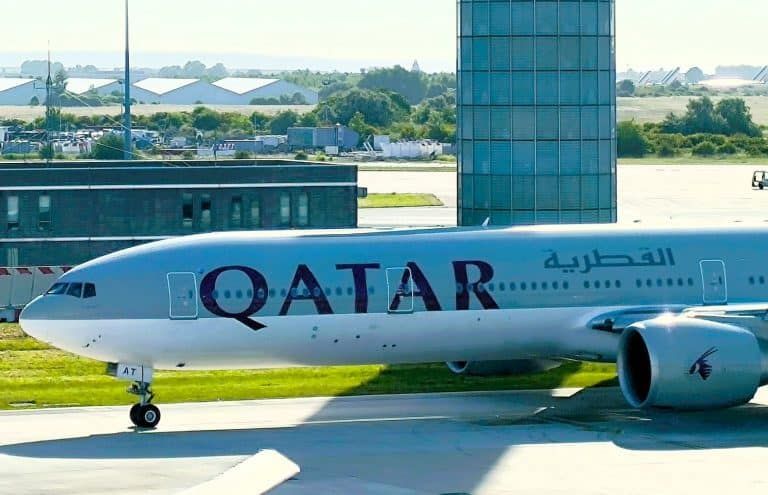
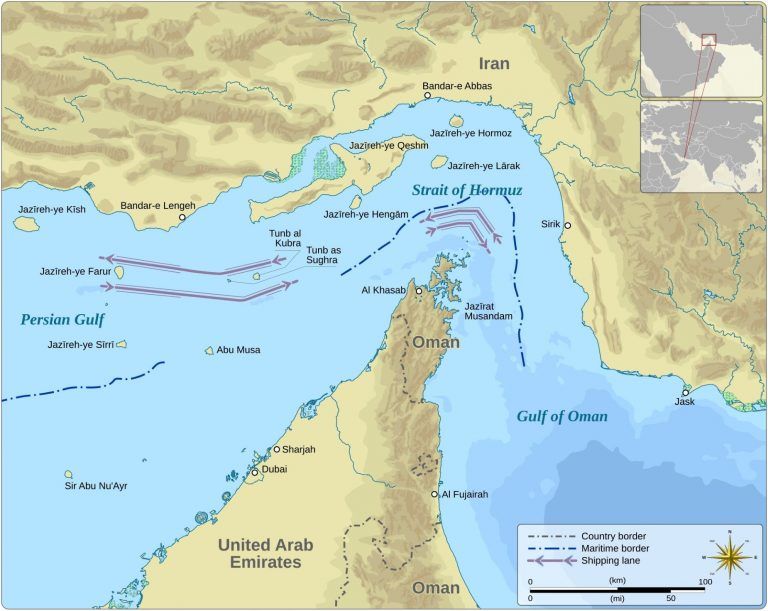
Geopolitical instability in the Gulf region currently reshapes international travel flows, especially due to the perceived danger to fly to the region and using global hubs in the Middle-East.
A diversion effect toward Western Mediterranean
In the current context, some travelers, particularly from Europe, are reconsidering long-haul trips to the Middle East, and, by extension, to Asia. As oil prices rise amid Gulf tensions, airfares—especially for long-haul routes—are expected to increase. This dynamic tends to favor short- and medium-haul destinations.
Spain benefits directly from this shift, particularly in key source markets such as the United Kingdom, Germany, and France. Travelers facing higher travel costs may opt for closer destinations, boosting bookings to Spanish cities, islands, and coastal resorts.
The country, seen as a safe, stable, and easily accessible destination, is well placed to capture this redirected demand. It appears as a natural alternative for travelers seeking reassurance without sacrificing quality, variety and sunny skies.
The expected surge comes on top of an already strong baseline. Spain closed 2025 with 97 million foreign arrivals, according to official government data—up 3.5% from 2024. The steady increase last year confirmed that demand for Spain is not a temporary rebound but part of a longer-term growth cycle.
European markets continued to supply the majority of visitors, with the United Kingdom, Germany, and France accounting for roughly half of all arrivals.
At the same time, long-haul travel expanded, especially from the United States and Latin America. These travelers tend to stay longer and spend more, contributing disproportionately to overall tourism revenue.
International visitor spending rose faster than arrivals, reaching approximately €135 billion, an increase of 6.8% year over year. Tourism accounted for about 13% of Spain’s GDP in 2025, according to industry estimates from Exceltur. The sector remains a major source of employment across hospitality, transportation, retail, and cultural services.
Growth was particularly noticeable outside the traditional summer peak. Shoulder seasons and winter months showed stronger performance than before the pandemic, reflecting a shift toward more evenly distributed travel throughout the year.
Consequently, the current war in the Middle East is likely to speed up the trend with record arrivals. Spain should then break for the first time the 100-million mark in international arrivals.