
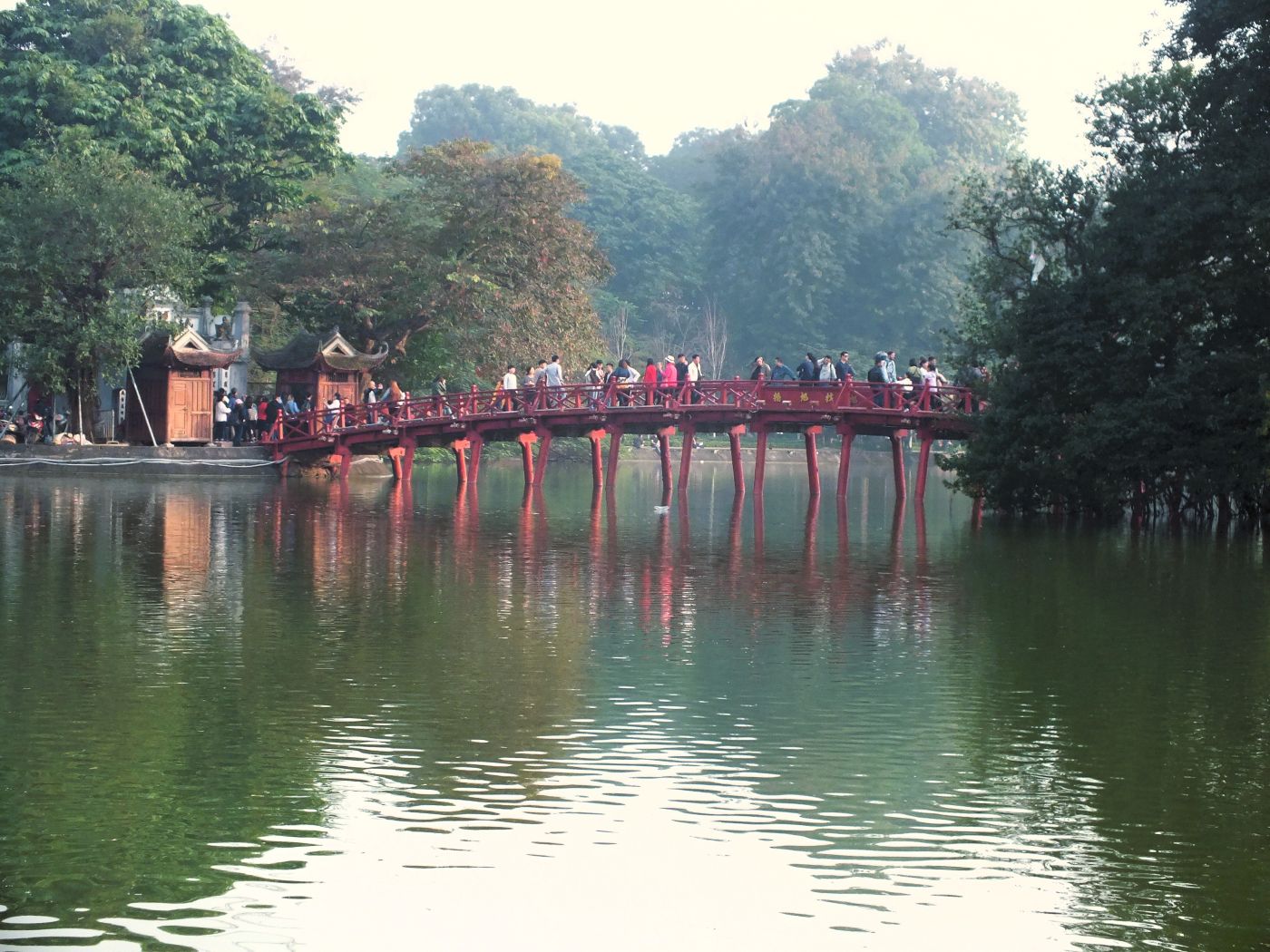
Vietnam is preparing to further liberalize its visa regime as part of a broader push to sustain tourism growth and attract higher-spending international visitors.
Many ministries are involved. The Ministry of Public Security, working with the Ministry of Foreign Affairs, has been tasked with studying and proposing more open visa policies, including an expanded list of countries eligible for unilateral visa exemptions, particularly in major and high-potential source markets.
The initiative forms part of a package of coordinated and “breakthrough” measures announced by Deputy Prime Minister Mai Van Chinh on Jan. 20 after a meeting of the State Steering Committee for Tourism. The measures aim to strengthen tourism as a long-term driver of economic growth while improving the sector’s quality and competitiveness.
Vietnam’s tourism industry posted robust results in 2025, recording strong growth and reinforcing its position as one of the most dynamic sectors of the economy. These gains have drawn international recognition, with the World Tourism Organization ranking Vietnam among the world’s fastest-growing tourism destinations.
Looking ahead, 2026 is seen as a pivotal year. It coincides with major national political milestones, as well as the launch of the country’s 2026–2030 socio-economic development plan. Against this backdrop, the government is setting ambitious tourism targets of 25 million international arrivals and 150 million domestic trips.
However, officials acknowledge that global uncertainty, lingering economic headwinds and structural bottlenecks could slow progress. Ministries, sectors and local authorities have therefore been instructed to move decisively to remove obstacles that limit tourism development.
The Ministry of Culture, Sports and Tourism will take the lead, coordinating with other agencies to fully implement a resolution positioning tourism as a spearhead economic sector. Priorities include reshaping source markets and upgrading tourism products to improve overall quality and competitiveness.
A comprehensive review of the 2017 Law on Tourism and related regulations is also planned, with proposed amendments aimed at eliminating outdated provisions and creating a more enabling legal framework. The ministry will closely track travel trends to guide the development of high-value segments such as green and wellness tourism, MICE, and golf tourism, while targeting long-stay, high-spending international markets.
Visa facilitation remains central to the strategy. The Ministry of Public Security has been directed to accelerate digital transformation, streamline e-visa procedures and reduce border clearance times. In parallel, the Ministry of Foreign Affairs will step up international communication on visa policies and support overseas tourism promotion.
Other ministries will contribute through trade promotion, infrastructure investment and cross-sector coordination. In 2025, Vietnam welcomed a record 21.2 million international visitors, up 20.4% year on year. With its target for 25 million international travelers, tourism is expected to grow this year by 16%.


































 ADS PRO
Global tourism exceeds 1.5 billion travelers announces UN-Tourism
Qatar Airways offers reduced timetable to over 60 destinations
WTTC global tourism reached record economic impact of 11 trillion in 2025
Marginal increase for New York City tourism in 2025
Hands In, UATP join forces for airline multi-card payments