
African Safaris: The Pandemic and Poaching
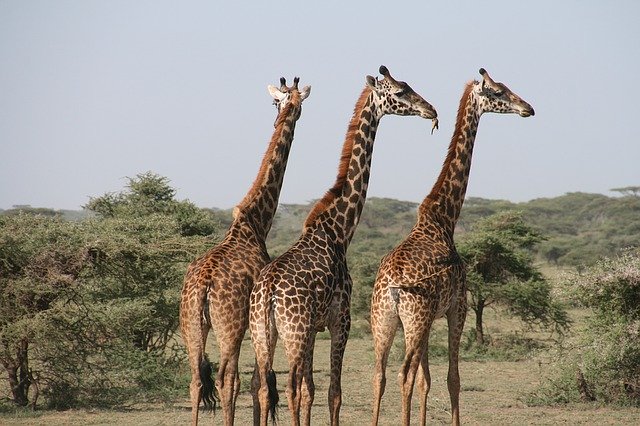
Valentina Vallinotto looks at how Covid-19 has impacted anti-poaching efforts across Africa, but also how a new era of social distancing could breathe new life into the African safari industry.
African safari popularity continues to grow as eco-tourism promoting conservation and anti-poaching emerges alongside safaris. However the pandemic and the following travel restrictions have changed the African savannah landscapes.
"The parks of Africa have been quietly minding their own business since April, and the animals have taken over. Main roads have become tracks, with big cats ambling along looking for breakfast. Airstrips are now prime grazing grounds, and the sun rises and sets over the wilderness," said Charles Norwood, owner of Self Drive Safari Resource.
Norwood jokes the tourist is the rarest sighting in Africa right now. International travel restrictions have made it difficult for many adventure travelers to go on safari in 2020, taking a toll on the African economy and the wildlife.
Veteran safari tour operator Charl van Rooyen said travelers to Africa don’t generally recognize the importance of tourism for conservation and wildlife management. "About 30% of Tanzania’s safari costs go to the government agency managing wildlife, and about 50% ends up in secondary services that conserve and manage wildlife in the area you’re visiting," he said.
With tourism dollars evaporating due to the pandemic, Southern and Eastern African infrastructure supporting conservation and safeguards against illegal hunting are disappearing. "Poaching is picking up due to the absence of travelers," said Chris du Plooy, owner of Chris du Plooy Safaris in Limpopo, South Africa.
Ironically, the pandemic may be a reason for African safari recovery. The top recommendations for activity during a coronavirus pandemic — go remote, avoid crowds, be outside in nature – are three of the cornerstones why African safaris are popular among travelers. With multiple suppliers in various territories, the safari industry is banding together to bring back safaris as a high-value and less risky eco-tourism option during the coronavirus pandemic.
Resilient clients did not cancel their vacations. They simply postponed, with some of them confirming their bookings for fall 2020. They are eager to travel as soon as possible.
At the same time, safari lodges, ground transfer operators, and local flight carriers are updating their safety procedures. At our Ndutu Safari Lodge in Tanzania, we worked on a detailed safety protocol for our staff members, based on WHO guidelines and official Tanzania’s national SOP.
International safari-goers can travel to most parts of Africa where safaris are popular, but other regions like South Africa remain closed. Americans looking to go on safari have options now that the US government lifted its ‘Avoid All Travel’ advisory. Rwanda and Tanzania reopened to Americans in June, provided travelers bring a negative PCR test taken within 72 hours of arrival.
Safaris are vacations where tourists can make a difference by just going on a trip. James Slade, Global Wildlife Conservation’s Wildlife Crime Prevention Officer, agrees. "Conservation taxes or bed levies can be a great way to fund conservation efforts with a reliable stream of income. This only works if the tourism is there."
Not only do incoming dollars support local economies, but tourism also ensures ongoing conservation efforts so wildlife can continue to live and thrive in their natural habitats. Most safaris are planned well in advance, so travelers should book now for late 2020 or 2021.
It’s unknown how long the pandemic will last, or when a vaccine or treatment will be widely available. Right now, prudent travelers will opt for travel crisis response services to protect their health just if they get sick or injured. They’ll also look for lower-risk international trip options that will likely move them toward Africa with its secluded safari destinations offering wide open-air spaces and limited people.
Valentina Vallinotto is co-founder of v-adventures, a NY-based safari adventure firm, and a Global Rescue Safe Travel partner.


TravelMole Editorial Team
Editor for TravelMole North America and Asia pacific regions. Ray is a highly experienced (15+ years) skilled journalist and editor predominantly in travel, hospitality and lifestyle working with a huge number of major market-leading brands. He has also cover in-depth news, interviews and features in general business, finance, tech and geopolitical issues for a select few major news outlets and publishers.




















Vegas’s Billion-Dollar Secrets – What They Don’t Want Tourists to Know

Visit Florida’s New CEO Bryan Griffin Shares His Vision for State Tourism with Graham

Chicago’s Tourism Renaissance: Graham Interviews Kristin Reynolds of Choose Chicago

Graham Talks with Cassandra McCauley of MMGY NextFactor About the Latest Industry Research

Destination International’s Andreas Weissenborn: Research, Advocacy, and Destination Impact

Graham and Don Welsh Discuss the Success of Destinations International’s Annual Conference

Graham and CEO Andre Kiwitz on Ventura Travel’s UK Move and Recruitment for the Role

Brett Laiken and Graham Discuss Florida’s Tourism Momentum and Global Appeal

Graham and Elliot Ferguson on Positioning DC as a Cultural and Inclusive Global Destination

Graham Talks to Fraser Last About His England-to-Ireland Trek for Mental Health Awareness

Kathy Nelson Tells Graham About the Honour of Hosting the World Cup and Kansas City’s Future

Graham McKenzie on Sir Richie Richardson’s Dual Passion for Golf and His Homeland, Antigua







 ADS PRO
Higher departure tax and visa cost, e-arrival card: Japan unleashes the fiscal weapon against tourists
Singapore to forbid entry to undesirable travelers with new no-boarding directive
Euromonitor International unveils world’s top 100 city destinations for 2025
U.S.A. and Israel attacks on Iran impact air movements in the Gulf (Update 1.00pm CET)
Global tourism exceeds 1.5 billion travelers announces UN-Tourism