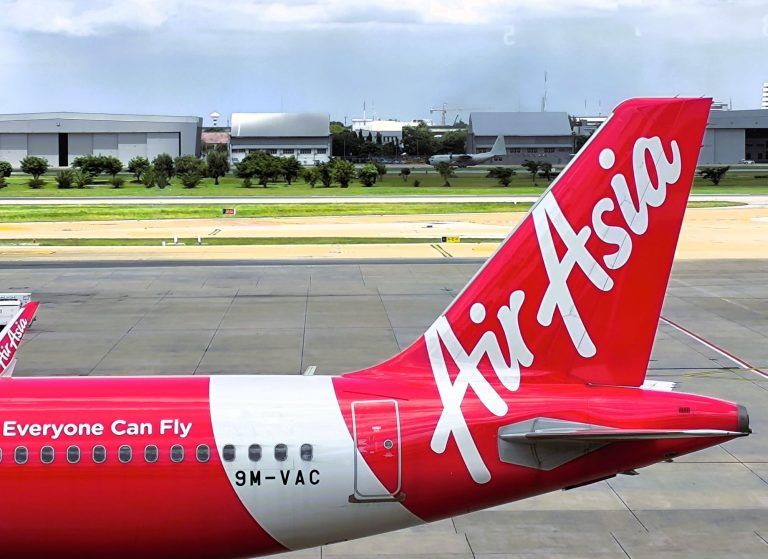
On March 30, 2026 – just a week ago but it sounds like years away- Malaysia official news agency Bernama asked Tony Fernandes, CEO of Capital A, how AirAsia would adapt its strategy following the Gulf war and the rise in oil prices.
Fernandes was quoted saying that ticket prices may see a modest increase while remaining affordable following escalating fuel costs linked to tensions in West Asia. Capital A CEO stressed that while fare increases were unavoidable, the low-cost carrier was committed to keeping prices lower than competitors and maintaining affordability for travelers.
“Fares will have to go up; there is no two ways about it, but our fares will increase much less than others,” he was quoted by Bernama. He also declared that AirAsia had no plans to cancel flights, citing strong travel demand across its network. Fernandes noted that the airline was absorbing part of the increased costs to limit the impact on passengers.
Darwin-KL and Darwin-Bali suspended
A week later and the tune has changed. On Monday, April 6, AirAsia announced raising ticket prices by as much as 40% -far of being considered “modest”- while cutting selected routes as fuel costs soaring is linked to the Iran conflict.
The Malaysia-based low-cost carrier said it has already reduced about 10% of its overall capacity. It targeted routes where fuel costs cannot be covered. As an example, AirAsia is exiting Darwin, suspending both Kuala Lumpur–Darwin and Bali–Darwin services from late April 2026 due to insufficient demand.
On AirAsia Malaysia networks, reduction in capacity has been implemented on 10 international routes, mostly to India. The carrier cut frequencies from Kuala Lumpur to Ahmedabad, Amritsarn, Kozhikode, Lucknow, Thiruvananthapuram and Tiruchchirappalli. It also reduced services to Indonesia for Kuala Lumpur-Makassar and Kuching-Pontianak. Routes to Brunei and Colombo are also affected.
Frequencies on domestic networks across ASEAN sharply reduced
On the domestic front, AirAsia Malaysia reduced frequencies on 21 routes. Indonesia AirAsia reduced flight services on 12 domestic routes, Philippines Air Asia on 8 routes while Cebu-Iloilo is cancelled. Thai AirAsia reduced frequencies on 26 routes and cancelled its route Bangkok-Suvarnabhumi-Narathiwat.
Fuel surcharges have increased by around 20%, while base fares are up between 31% and 40%. Group CEO Bo Lingam explained fuel as the airline’s biggest challenge, with average jet fuel prices jumping to about $200 per barrel from roughly $90 previously.
The airline is also monitoring potential jet fuel supply disruptions across Southeast Asia, including in Malaysia, Vietnam and the Philippines.