
Bulgaria’s move to the euro on January 1, 2026: what travelers need to know
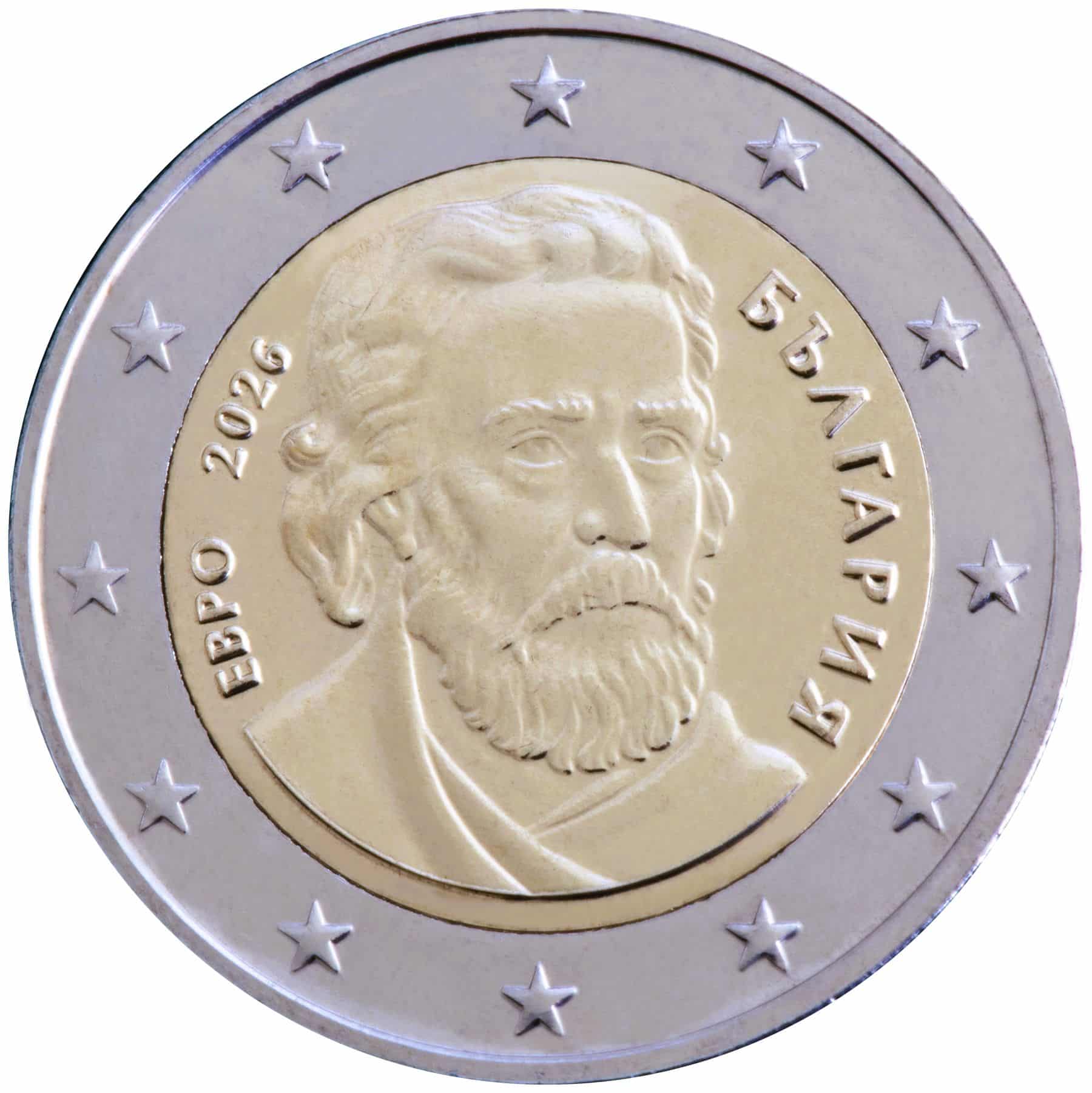
Bulgaria’s long-awaited move toward adopting the euro is greeted with a mix of excitement and worries. The adoption of the common currency comes on January 1, 2026. It reshapes expectations across Bulgaria’s tourism sector.
Industry players bet that a common currency will make the country more competitive and accessible to European travelers, while also raising concerns about prices and perceptions of value.
For decades, Bulgaria has marketed itself as one of Europe’s most affordable destinations, drawing visitors to its Black Sea resorts, ski slopes and historic cities with low prices and improving infrastructure. While the lev has been pegged to the euro since 1999, converting fully to the single currency would remove the final psychological and practical barrier for millions of travelers from the eurozone.
The fixed exchange rate set under Bulgaria’s currency board is 1 euro = 1.95583 Bulgarian lev (BGN). The calendar to complete euro use is the following :
-
1 January – 31 January 2026: Both lev and euro banknotes and coins will be legal tender in Bulgaria. It means that people can pay with either currency in cash transactions.
-
From 1 February 2026 onward, the euro becomes the sole legal tender in Bulgaria. Lev cash can no longer be used for everyday payments. However, the Bulgarian currency can still be exchanged or euro free of charge at the Bulgarian National Bank indefinitely. At commercial banks and certain post offices free until 30 June 2026, and then against a fee.
The good side of the euro
Tourism officials argue that the change will simplify travel planning, eliminate exchange fees and make pricing more transparent. Hotels, restaurants and tour operators expect euro pricing to help foreign visitors compare costs more easily with rival destinations such as Greece, Croatia and Spain.
It could potentially boosting bookings from core markets like Germany, France and Italy. Industry groups also say the euro could encourage greater foreign investment in hotels, resorts and tourism services by reinforcing Bulgaria’s image as a stable EU destination.
The bad side of the euro
However, the transition also brings risks. One of the biggest concerns is price perception. Even if prices are converted strictly at the fixed exchange rate, amounts expressed in euros may feel higher to visitors and locals alike. In popular tourist areas, some operators may be tempted to round prices upward, potentially undermining Bulgaria’s reputation for value. Authorities have pledged close monitoring and dual pricing during the transition to prevent unjustified increases.
Hoteliers and travel agencies caution that adopting the euro alone will not guarantee a surge in visitor numbers. Growth will still depend on service quality, transport connectivity, workforce availability and sustained marketing efforts.
Bulgaria faces already increasing competition from neighboring destinations that already use the euro. Still, many in the sector perceive the currency change only as a strategic step. Combined with EU membership and improved border access, euro adoption is meanwhile expected to strengthen Bulgaria’s position in the European tourism market over time.


newadmin

















Vegas’s Billion-Dollar Secrets – What They Don’t Want Tourists to Know

Visit Florida’s New CEO Bryan Griffin Shares His Vision for State Tourism with Graham

Chicago’s Tourism Renaissance: Graham Interviews Kristin Reynolds of Choose Chicago

Graham Talks with Cassandra McCauley of MMGY NextFactor About the Latest Industry Research

Destination International’s Andreas Weissenborn: Research, Advocacy, and Destination Impact

Graham and Don Welsh Discuss the Success of Destinations International’s Annual Conference

Graham and CEO Andre Kiwitz on Ventura Travel’s UK Move and Recruitment for the Role

Brett Laiken and Graham Discuss Florida’s Tourism Momentum and Global Appeal

Graham and Elliot Ferguson on Positioning DC as a Cultural and Inclusive Global Destination

Graham Talks to Fraser Last About His England-to-Ireland Trek for Mental Health Awareness

Kathy Nelson Tells Graham About the Honour of Hosting the World Cup and Kansas City’s Future

Graham McKenzie on Sir Richie Richardson’s Dual Passion for Golf and His Homeland, Antigua







 ADS PRO
Phocuswright reveals the world's largest travel markets in volume in 2025
Higher departure tax and visa cost, e-arrival card: Japan unleashes the fiscal weapon against tourists
Singapore to forbid entry to undesirable travelers with new no-boarding directive
Euromonitor International unveils world’s top 100 city destinations for 2025
U.S.A. and Israel attacks on Iran impact air movements in the Gulf (Update 1.00pm CET)