The double-earthquakes that struck near Caracas on Thursday killed in first estimation 32 people and injured over 700. However, some experts estimate that between 10,000 and 100,000 people could have been victims in the catastrophe.
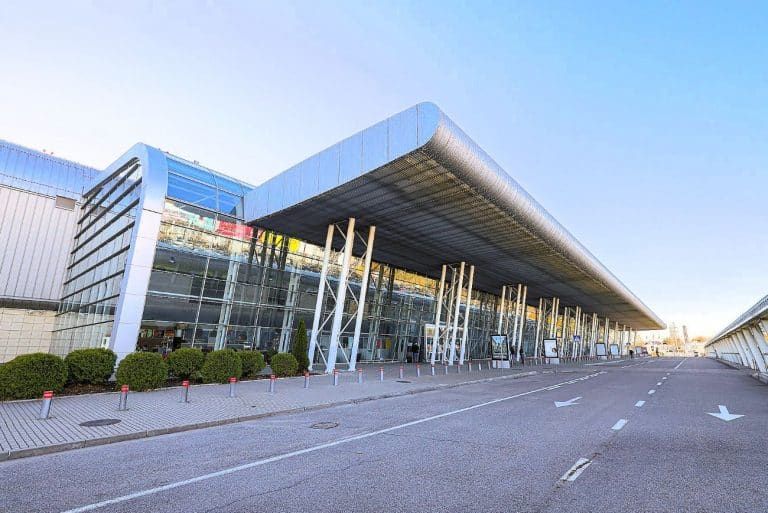
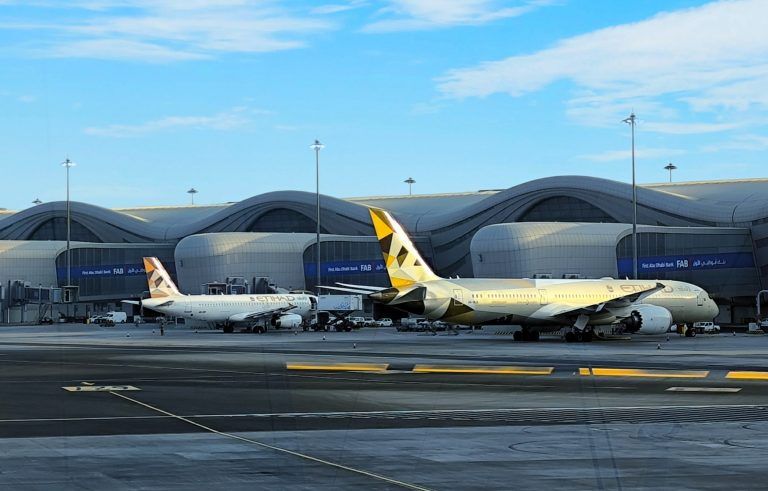
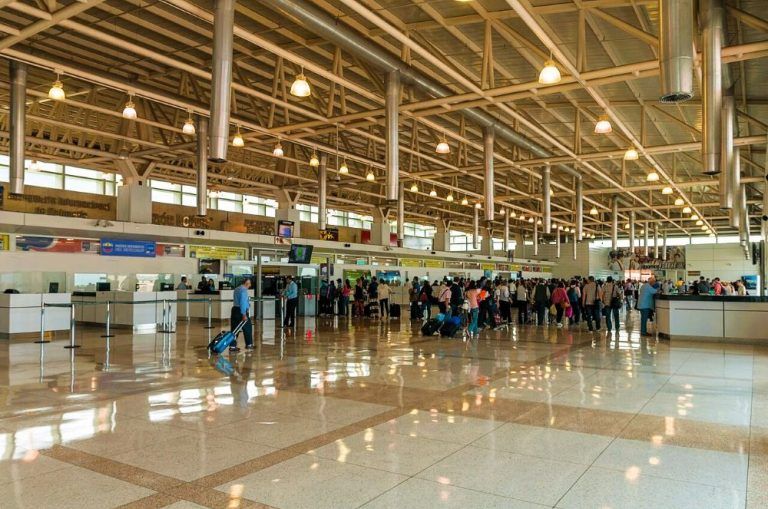
The earthquakes triggered widespread disruption across Venezuela‘s capital region, forcing the temporary closure of Simón Bolívar International Airport as authorities assessed structural safety concerns. Airport officials confirmed all arriving and departing flights were suspended immediately following the tremor, with passengers advised to avoid travel to the terminal until further notice.
Public transport services were also heavily impacted, with the Caracas Metro shutting down operations across multiple lines as engineers conducted rapid inspections of tunnels and stations. Bus networks across the metropolitan area were reduced to limited service, while traffic congestion built up on major routes as commuters sought alternative travel options.
Authorities said emergency response teams were deployed across Caracas to inspect critical infrastructure and assist residents affected by the shaking. No immediate reports of major structural collapses were confirmed, but officials warned that aftershocks remained possible and urged residents to stay alert and follow guidance from civil protection agencies.
The airport shutdown is expected to remain in place until safety inspections are fully completed, with airlines working to rebook passengers and minimize disruptions to regional and international schedules. Transportation authorities said they are prioritizing the restoration of essential mobility links as quickly as conditions allow, particularly for hospital access routes and emergency corridors.
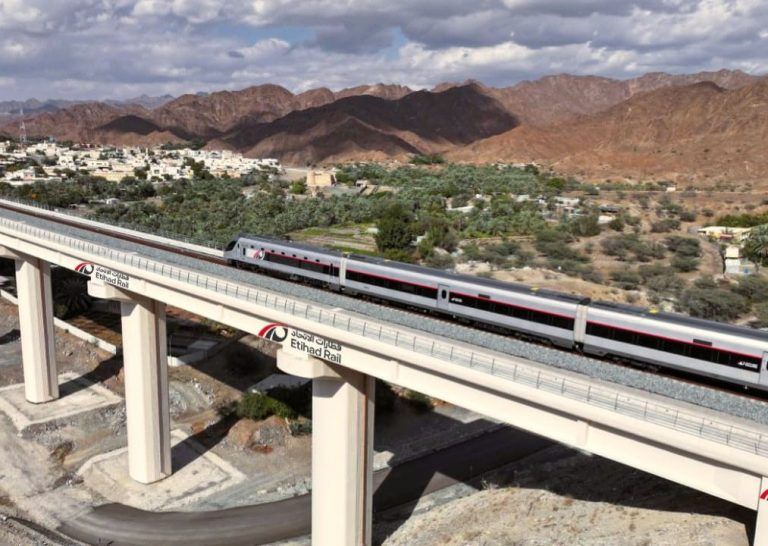
Rail and bus operators said they would resume services gradually once safety checks were finalized, though delays and cancellations are expected to continue throughout the day as recovery efforts continue across the city. Officials emphasized that public safety remains the top priority while assessments continue across transport infrastructure including terminals, bridges and underground systems.