
Interview: Cameron Temple, Director, The Luxury Chalet Company
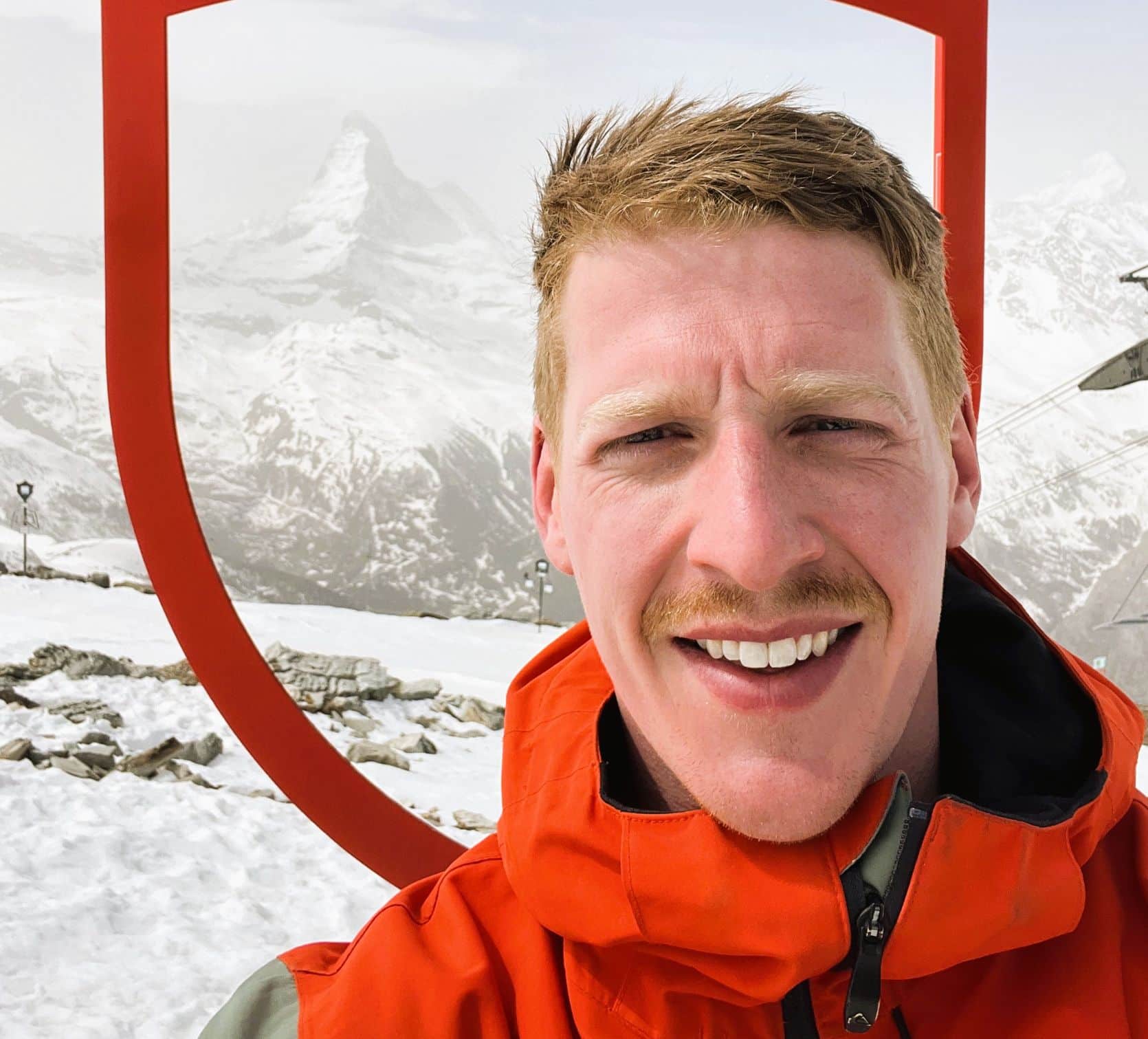
The Luxury Chalet Company is an online luxury ski travel agency providing the very best luxury chalet accommodation across the European Alps. Thanks to a handpicked portfolio, clients are ensured to have access to the most exclusive and newest ski properties on the mountain.
The Luxury Chalet Company rentals standard of service is astounding, mixed with haute cuisine and breath-taking facilities make for a sensational vacation experience. TravelMole spoke extensively about the product with Cameron Temple, Director in this exclusive interview.
Cameron, to start with, how long has The Luxury Chalet Company been operating?
Cameron Temple: The company itself has been operating for about four years. That said, I’ve been working in the luxury travel sector—specifically in luxury ski travel—for much longer. I’ve been skiing since I was a child, and I moved into the luxury ski niche around eight years ago with a previous company. That venture didn’t work out and I decided to start again independently four years ago.
How has the luxury chalet market evolved over time? Is this growth something new since COVID, or was it already happening before?
Cameron Temple: I wouldn’t say this is purely a post-COVID phenomenon. The market was already there 10 or even 15 years ago in places like Zermatt, Davos, Verbier, or Courchevel. What has really accelerated the trend towards a premium offer is climate change. As winters have become warmer, clients are increasingly focused on higher-altitude resorts where snow is more reliable. Over the years, demand has shifted toward resorts with higher mountains and higher lifts, which naturally tend to be premium destinations.
Does that mean snow reliability and luxury are now closely linked?
Cameron Temple: In our case, yes. We operate exclusively in the luxury chalet space, so the clients who contact us already understand the level of product we offer. Luxury is very clear from our brand and our properties. As a result, we don’t really receive inquiries from clients with small budgets. The people coming to us are already prepared for the cost and are typically the same clients who want high-altitude, snow-sure resorts.
How many properties do you currently market?
Cameron Temple: Just over a thousand. At the moment, it’s around 1,200 properties.
Your portfolio currently covers France, Switzerland, Austria, and Italy. Are you planning to expand into new destinations?
Cameron Temple: We have ideas for future expansion, but in Europe we already cover the key resorts. We’ve considered places like Norway and Finland. However those markets are niche and demand is still limited. Right now, our focus is more on expansion into major ski markets such as the United States and Japan rather than smaller European Alpine destinations or the Pyrenees, where demand remains low.
Would you then say Europe is already fully covered for your clientele?
Cameron Temple: Yes. If someone wants a high-quality ski trip in Europe with reliable snow, we already cover all the main, popular, and snow-sure resorts. Expansion really depends on demand. If we started receiving consistent requests for a new destination, we’d move quickly—but right now, interest is far stronger for the US and Japan.
What are clients typically looking for when they contact you?
Cameron Temple: Every inquiry is different. Some clients have a specific resort in mind, others only a country, and some leave everything entirely up to our recommendation. Usually, they start with group size, number of bedrooms, and key amenities like a hot tub or sauna. Catering is another big factor—self-catered, B&B, or fully catered.
The first question I have to ask, quite honestly, is about budget. Luxury skiing is expensive, and once you add the word “luxury,” costs rise quickly. There’s no point in sourcing properties if the budget doesn’t align.
Once we have all the details, I’ll usually come back with three to five suitable properties, depending on availability. From there, it’s a conversation—refining options until we find the right fit.
And beyond accommodation, what kind of services do clients request?
Cameron Temple: Quite a wide range. Some want private chefs—sometimes with Michelin-star backgrounds—or chefs specializing in specific cuisines. Others request drivers, ski guides, early-morning skiing, restaurant bookings, or ski lessons. Once the property is booked, we coordinate closely with owners and managers to arrange all of these extras.

What are your peak seasons, and has climate change shortened the ski season overall?
Cameron Temple: Peak periods are still the same—Christmas, New Year, February half-term, and Easter when conditions allow. Climate change hasn’t drastically reduced the season for the high-altitude resorts we work with. We’re probably talking about a difference of a week or two at either end.
What has changed is however snow quality rather than availability. Clients can still ski, but conditions may vary—less fresh snow, more artificial snow at lower altitudes, or skiing that starts higher up the mountain.
Do you ever guarantee snow to clients?
Cameron Temple: No, and that’s made clear in rental contracts. Snow conditions are ultimately out of anyone’s control. That said, in the ultra-luxury space, flexibility is key. If conditions aren’t ideal, options might include heli-skiing, traveling to another resort for the day, or enhancing the chalet experience with exceptional service, dining, and activities. The goal is always to ensure the stay remains memorable, whatever the conditions.
Finally, do clients ask about sustainability when booking a luxury chalet?
Cameron Temple: Very rarely. In four years, I can recall only one explicit request for a sustainable chalet. While sustainability may be on clients’ minds—and it does come up in conversations—it’s almost never a deciding factor or a formal request. Ultimately, clients come to ski, enjoy the snow, and have a great experience.
That said, when people are in resort, they do notice the changes. I’m in Verbier right now, and ten years ago you could ski down to villages that are no longer reachable today. Those observations are made—but they’re rarely tied to booking decisions.
Related News Stories: Interview: Cameron Temple, Director, The Luxury Chalet Company Bruce Howard Agoda and Busan partner to drive tourism growth Cruise cancelled following death of abandoned guest JetBlue launching JFK-Manchester, NH flights Dozens sue over 'nightmare' cruise ship outbreaks FAA places ground stop on Nashville flights over staffing shortages Outbreak sickens more than 100 cruise ship guests Brazil's Azul gets Chapter 11 restructuring approval P&O Cruises expands partnership development sales team


newadmin




















Vegas’s Billion-Dollar Secrets – What They Don’t Want Tourists to Know

Visit Florida’s New CEO Bryan Griffin Shares His Vision for State Tourism with Graham

Chicago’s Tourism Renaissance: Graham Interviews Kristin Reynolds of Choose Chicago

Graham Talks with Cassandra McCauley of MMGY NextFactor About the Latest Industry Research

Destination International’s Andreas Weissenborn: Research, Advocacy, and Destination Impact

Graham and Don Welsh Discuss the Success of Destinations International’s Annual Conference

Graham and CEO Andre Kiwitz on Ventura Travel’s UK Move and Recruitment for the Role

Brett Laiken and Graham Discuss Florida’s Tourism Momentum and Global Appeal

Graham and Elliot Ferguson on Positioning DC as a Cultural and Inclusive Global Destination

Graham Talks to Fraser Last About His England-to-Ireland Trek for Mental Health Awareness

Kathy Nelson Tells Graham About the Honour of Hosting the World Cup and Kansas City’s Future

Graham McKenzie on Sir Richie Richardson’s Dual Passion for Golf and His Homeland, Antigua







 ADS PRO
Phocuswright reveals the world's largest travel markets in volume in 2025
Higher departure tax and visa cost, e-arrival card: Japan unleashes the fiscal weapon against tourists
Cyclone in Sri Lanka had limited effect on tourism in contrary to media reports
Singapore to forbid entry to undesirable travelers with new no-boarding directive
Euromonitor International unveils world’s top 100 city destinations for 2025