In 2026, the Lausanne Collection de l’Art Brut celebrates its 50th anniversary with a rich and unprecedented program. For the occasion, the museum becomes a vibrant cultural hub, hosting a wide range of major events including exhibitions, performances, concerts, screenings, and talks.
How to define Art Brut? “Raw art” in French is translated in English by Outsider Art, which is made by self-taught individuals who are untrained and untutored in the traditional arts with typically little or no contact with the conventions of the art worlds.
The expression “Art Brut” was a label created in the 1940s by French artist Jean Dubuffet which he used for creations coming from psychiatric hospital patients, hermits, spiritualists but also prisoners or collectors of ethnographic art. The doctors, artists and museum directors he met would be instrumental in helping Dubuffet build his then-nascent collection and develop the concept and its core principles, which he refined through his subsequent reflections and discoveries – first in Switzerland, and later in France and elsewhere.
Discovering the strange beauty of Art Brut
Switzerland thus played a key role in the emergence of a new genre that challenged prevailing categories and definitions and helped draw attention to the work of self-taught outsider artists.
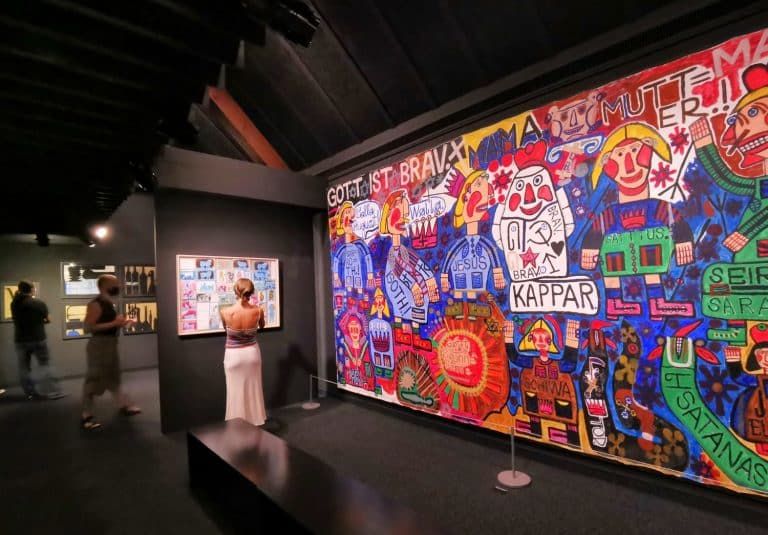
Through September 27, the anniversary exhibition Art Brut in Switzerland: From the Origins of the Collection to the Present traces the fascinating history of the relationship between Jean Dubuffet and Switzerland.
The 50th anniversary exhibition brings together contributions from numerous artists and authors to explore Dubuffet’s close and enduring ties with Switzerland – a relationship that led him to donate his collection to the City of Lausanne in 1971 for long-term preservation and public display.
The show features a selection of drawings, paintings, sculptures, embroideries, writings and assemblages from the Collection de l’Art Brut’s holdings. Some of these more than 300 pieces come from Dubuffet’s original collection, which he began building up in 1945, while others are more recent acquisitions added in the half-century since the museum opened in 1976.
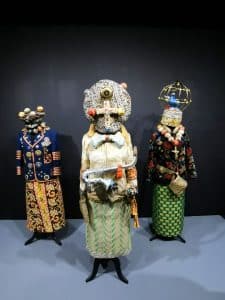
While the works on display reflect the expression adopted by these self-taught creators – none of whom were destined to become artists – the landscapes and buildings they depict are unmistakably Swiss. Other clues as to the nationality of the artists behind these pieces include mountains, trains and cows – animals that Dubuffet himself portrayed, and indeed glorified, in his early paintings.