
New flaw discovered in 737 MAX tests
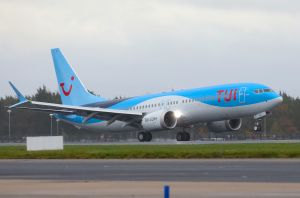
A possible new flaw in Boeing’s 737 Max aircraft could push back test flights.
The FAA said it has identified a ‘potential risk’ during simulator tests, but did not disclose details.
It tweeted: "On the most recent issue, the FAA’s process is designed to discover and highlight potential risks. The FAA recently found a potential risk that Boeing must mitigate."
Boeing said it was working closely with the FAA and believed a software fix would address the problem.
The 737 MAX aircraft was grounded in March following two fatal crashes.
It was originally believed tests flights could start next month after changes to the aircraft’s flight control system were approved.
But this new setback is likely to cause additional delays.
At this week’s ABTA Travel Matter Conference, Martin Alcock, director of The Travel Trade Consultancy, said the grounding of the 737 MAX was a major problem for TUI.
"In a difficult trading environment, TUI is also having to spend money on other aircraft. It’s been a really challenging time," he said.
TUI has 15 737 MAX for the UK, Belgium, the Netherlands and Sweden and a further eight were due to be delivered last month.
Earlier this month British Airways parent IAG signed a letter of intent for 200 737 MAX aircraft.
Subject to formal agreement, the mix of 737 MAX 8 and 737 MAX 10 aircraft are due to be delivered between 2023 and 2027, and would be operated by BA, Vueling and Level.
It is believed IAG got the aircraft at a substantial discount.
IATA director general Alexandre de Juniac said this week: "The Boeing 737 Max tragedies weigh heavily on an industry that holds safety as its top priority.
"We trust the Federal Aviation Administration, in its role as the certifying regulator, to ensure the aircraft’s safe return to service. And we respect the duty of regulators around the world to make independent decisions on FAA’s recommendations.
"At the same time, aviation is a globally integrated system that relies on global standards, including mutual recognition, trust, and reciprocity among safety regulators.
"Aviation cannot function efficiently without this co-ordinated effort, and restoring public confidence demands it."


Bev
Editor in chief Bev Fearis has been a travel journalist for 25 years. She started her career at Travel Weekly, where she became deputy news editor, before joining Business Traveller as deputy editor and launching the magazine’s website. She has also written travel features, news and expert comment for the Guardian, Observer, Times, Telegraph, Boundless and other consumer titles and was named one of the top 50 UK travel journalists by the Press Gazette.



















Vegas’s Billion-Dollar Secrets – What They Don’t Want Tourists to Know

Visit Florida’s New CEO Bryan Griffin Shares His Vision for State Tourism with Graham

Chicago’s Tourism Renaissance: Graham Interviews Kristin Reynolds of Choose Chicago

Graham Talks with Cassandra McCauley of MMGY NextFactor About the Latest Industry Research

Destination International’s Andreas Weissenborn: Research, Advocacy, and Destination Impact

Graham and Don Welsh Discuss the Success of Destinations International’s Annual Conference

Graham and CEO Andre Kiwitz on Ventura Travel’s UK Move and Recruitment for the Role

Brett Laiken and Graham Discuss Florida’s Tourism Momentum and Global Appeal

Graham and Elliot Ferguson on Positioning DC as a Cultural and Inclusive Global Destination

Graham Talks to Fraser Last About His England-to-Ireland Trek for Mental Health Awareness

Kathy Nelson Tells Graham About the Honour of Hosting the World Cup and Kansas City’s Future

Graham McKenzie on Sir Richie Richardson’s Dual Passion for Golf and His Homeland, Antigua







 ADS PRO
Higher departure tax and visa cost, e-arrival card: Japan unleashes the fiscal weapon against tourists
U.S.A. and Israel attacks on Iran impact air movements in the Gulf (Update 1.00pm CET)
Global tourism exceeds 1.5 billion travelers announces UN-Tourism
WTTC global tourism reached record economic impact of 11 trillion in 2025
Marginal increase for New York City tourism in 2025