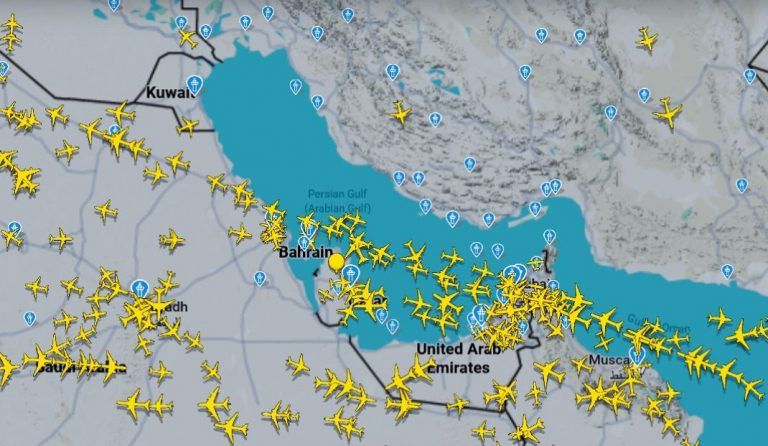
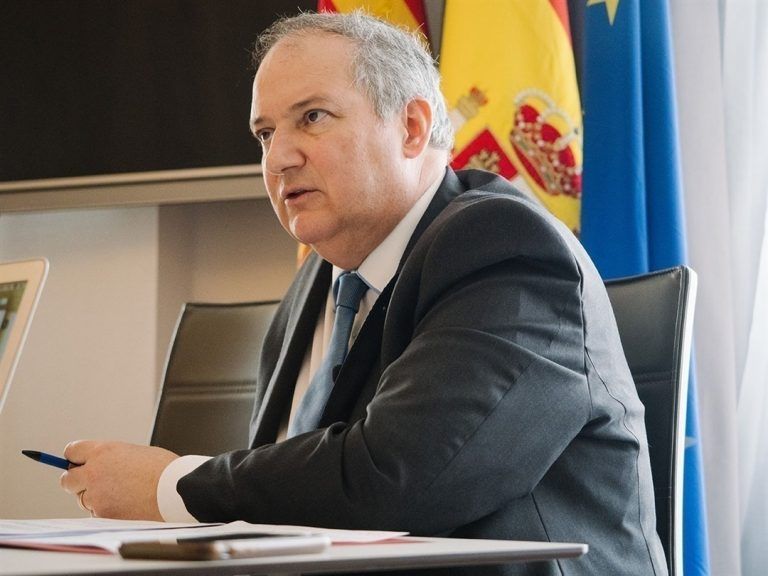
Spain is showing remarkable resilience in turmoil times around the world, according to Spain Minister of Industry and Tourism Jordi Hereu. With the impact of the Gulf war, the minister noted a shift in tourism flows from the Eastern Mediterranean to the Western Mediterranean, which is favorable to Spain.
Hereu analyzed the potential impact of the war in Iran and broader geopolitical instability on the sector’s growth outlook. In addition, The Minister of Industry and Tourism recently highlighted the latest progress in the sustainable transformation of Spain’s tourism model.
Spending growing quicker than arrivals
Hereu presented official forecasts for the Holy Week period, one of the most important travel seasons of the year. Despite ongoing geopolitical instability, projections by the Ministry of Industry and Tourism remain cautiously optimistic.
According to estimates prepared by Turespaña for March and April (including Holy Week), Spain is expected to once again break its record for international tourist spending, exceeding €21 billion. This is around 3% higher than in the same period of 2025. International arrivals are forecast to reach approximately 15 million, broadly in line with last year, representing a modest increase of about 0.2%.
For Hereu, these figures confirm that Spain continues on a path of steady growth, with spending rising faster than visitor numbers, an indicator of improved tourism quality, while preserving local identity, ensuring coexistence between residents and visitors, and promoting diversification and reduced seasonality.
This trend toward excellence is also reflected in Turespaña’s annual survey of non-resident traveler satisfaction. In 2025, the share of international tourists reporting they were “very satisfied” with their vacation in Spain rose by nearly one percentage point, from 66.2% in 2024 to 66.9%. Additionally, 67% of respondents said they intend to return within the next 12 months.
Spain well-positioned to withstand the Iran war impact on tourism
Based on these forecasts and early-year data -showing a 9.3% increase in tourist spending in January and a 1.2% rise in arrivals, with tourism employment reaching a record 2.75 million workers in February, Hereu said the sector is well positioned to respond to the potential effects of the Middle East conflict.
In the short term, there has been a noticeable shift in travel demand from the Eastern Mediterranean to the Western Mediterranean, redirecting flows from destinations such as Turkey and Egypt toward countries like Italy, Greece, and Spain.
However, Hereu stressed that Spain does not seek to grow its tourism sector at the expense of other countries and remains committed to international law and multilateral institutions.
The ministry has set up a monitoring group to assess both the positive and negative impacts of the Iran conflict on tourism. Working alongside the sector and using data from Turespaña’s global network of tourism offices, the group will track developments in key source markets. A second meeting is scheduled following the recent Holy Week.
Sustainability translates into less seasonality and higher diversity
Hereu outlined the latest advances in Spain’s sustainable tourism transformation. The Minister praised the continued trend toward a more balanced tourism model, with reduced concentration, less seasonality, greater diversification, and higher value-added. Overall, this reflects steady progress toward economic, social, and environmental sustainability.
He emphasized that the government is on the right track, highlighting the importance of public investment in modernizing tourism policies over the past five years, as well as the rollout of the Tourism Strategy 2030 roadmap approved in late 2025.
From 2018 to 2025, data shows that both visitor numbers and tourism spending have grown faster during the shoulder and low seasons (October to May) than in peak months. Spending has also increased more rapidly in inland and northern regions than in the country’s main tourist hotspots. At the same time, tourism offerings are becoming more diversified, with culture- and gastronomy-driven travel growing faster than traditional sun-and-beach tourism.
Another key trend that became firmly established in 2025 is the increase in in-destination spending outpacing visitor growth, signaling a shift toward higher-quality tourism.