
Saudi Arabia eyes limited alcohol licensing in selected tourism zones by 2026
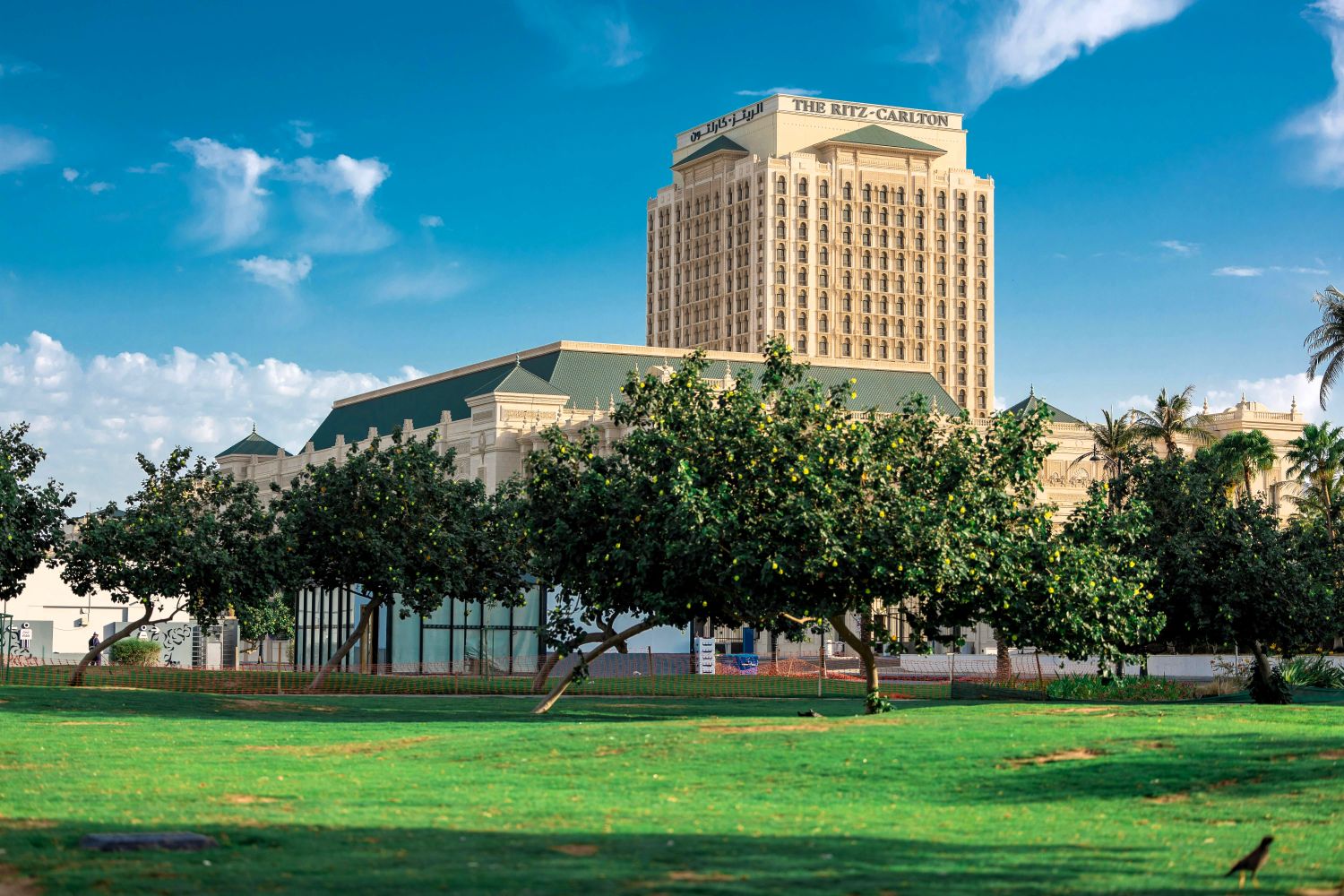
In a move that could be considered by many observers as a historic shift in the conservative Kingdom’s social policy, Saudi Arabia is reportedly preparing to permit the sale of alcohol. It would however be limited to about 600 designated venues beginning in 2026, under strict licence and regulatory conditions.
Sources say the pilot scheme is designed to service luxury hotels, resorts and high-end tourist developments. In particular the ones aligned with the ambitious Saudi Vision 2030 agenda. These venues are expected to include five-star hotels, international resorts. But also large tourism development projects such as Neom, the Red Sea Project, and Sindalah Island.
Only beer, cider and wine?
According to a briefing by market-intelligence firm Wine Intelligence, the licensing would only allow 3 types of alcohol : beer, wine and cider. It would specifically exclude spirits and beverages with greater than 20 % alcohol by volume.
Alcohol sales and consumption will be restricted to these licensed venues; retail sales, take-away, public drinking and in-home consumption would meanwhile remain fully prohibited.
The initiative is framed as part of Saudi Arabia’s efforts to diversify beyond oil, elevate its tourism sector and challenge regional hubs such as Dubai and Doha for global visitors in the lead-up to events like the 2034 FIFA World Cup and the Expo 2030 Riyadh.
Yet significant uncertainty remains. While multiple trade-consulting sources cite the proposed framework, no Saudi governmental body has so far publicly confirmed the full policy adoption or published official regulations. Some points to continuous denials by authorities that the reform is settled.
If implemented, the reform would reflect one of the most consequential cultural changes in the kingdom in decades. Alcohol has been criminalized in Saudi Arabia for more than 70 years, under religious and legal code.
For hospitality operators, global hotel chains and event managers, the prospect of regulated alcohol service in luxury zones could signal new opportunities in licensing, imports, training and venue-management. But the caveats are clear: the reforms appear tightly circumscribed, aimed at foreign visitors and high-end tourism settings. There is no hint of a mass retail or liberalization across society.
In fact, the Kingdom will continue to evaluate how to balance a careful opening up to world-class tourism expectations while preserving its Islamic social fabric.
Related News Stories: Partner News - TravelMole Abercrombie & Kent - TravelMole


TravelMole Editorial Team















Vegas’s Billion-Dollar Secrets – What They Don’t Want Tourists to Know

Visit Florida’s New CEO Bryan Griffin Shares His Vision for State Tourism with Graham

Chicago’s Tourism Renaissance: Graham Interviews Kristin Reynolds of Choose Chicago

Graham Talks with Cassandra McCauley of MMGY NextFactor About the Latest Industry Research

Destination International’s Andreas Weissenborn: Research, Advocacy, and Destination Impact

Graham and Don Welsh Discuss the Success of Destinations International’s Annual Conference

Graham and CEO Andre Kiwitz on Ventura Travel’s UK Move and Recruitment for the Role

Brett Laiken and Graham Discuss Florida’s Tourism Momentum and Global Appeal

Graham and Elliot Ferguson on Positioning DC as a Cultural and Inclusive Global Destination

Graham Talks to Fraser Last About His England-to-Ireland Trek for Mental Health Awareness

Kathy Nelson Tells Graham About the Honour of Hosting the World Cup and Kansas City’s Future

Graham McKenzie on Sir Richie Richardson’s Dual Passion for Golf and His Homeland, Antigua







 ADS PRO
Higher departure tax and visa cost, e-arrival card: Japan unleashes the fiscal weapon against tourists
Singapore to forbid entry to undesirable travelers with new no-boarding directive
Euromonitor International unveils world’s top 100 city destinations for 2025
U.S.A. and Israel attacks on Iran impact air movements in the Gulf (Update 1.00pm CET)
Global tourism exceeds 1.5 billion travelers announces UN-Tourism