
Shark diving bites the big one in Western Australia
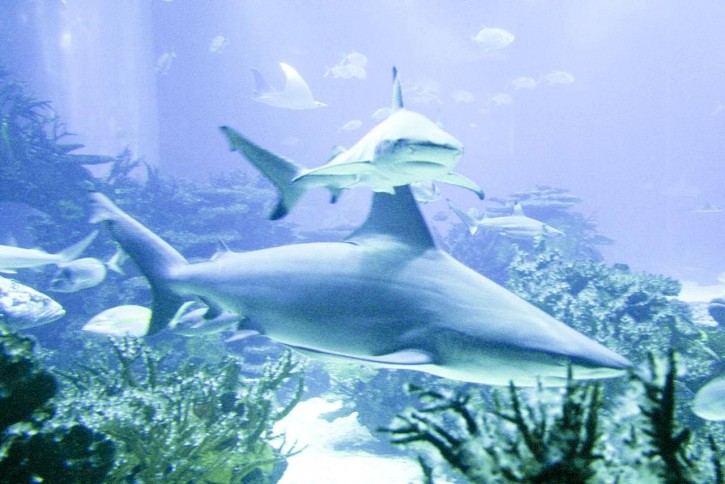
Western Australian Fisheries Minister Norman Moore announced on July 8 that regulations were being drafted for a State ban on targeted or dedicated shark tourism ventures, including cage diving operations, based on the attraction of sharks, according to the Ministry website.
"I have decided that Western Australia will not be the place for shark cage tourism, like those currently operating in South Australia and South Africa": Mr Moore said.
"While such ventures may generate direct or indirect economic benefits, there are also concerns that sustained activities to attract sharks to feeding opportunities have the potential to change the behaviour patterns of those sharks.
"With four fatalities in WA from shark interactions, since last September, the Government is not willing to allow any ventures that may raise even greater public fears than already exist."
Moore stated that the State Government will dedicate $13.65 million for the next four years to reduce the risk of shark attacks by delivering comprehensive action to mitigate hazards through increased awareness and extended research.
In North America, shark diving and shark tourism is a controversial, but lucrative source of income for tour operators, hotels and diving operations. Although it is banned in Maui and Florida, shark diving and tourism accounts for $78 million a year in revenue in the Bahamas alone (source: sharksavers.org).
Patric Douglas, CEO of Sharkdiver, a US-based shark diving company that operates in Mexican waters told TravelMole: "As a successful commercial shark diving operator with over 15 years of experience with big animals like white sharks and tigers I am always a bit taken aback at the few backwards looking politicians who see sharks through the same lens cast in the 1970’s after the movie Jaws debuted.
"The past decade has seen a revolution in the commercial shark diving world from enhanced shark diving protocols to broad based conservation initiatives developed by commercial shark diving operations designed to save dwindling shark populations. Additionally, commercial shark diving is a major tourism driver in places like the Bahamas which counts on the direct tourism revenue each year from safe interactions with sharks."
Some scientists believe there is a link between luring sharks to interact with humans and altered behavior patterns of the animals.
George Burgess, Director of the Florida Program for Shark Research at the Florida Museum of Natural History explained to TravelMole: "The animals are not acting normally because they are being attracted and thus are in unnatural levels of abundance. This alters the natural ecology of the region. They are being fed by other means than their usual food sources. The animals begin to be attracted to the sound of the board engine motors. Operators will sometimes rev up the engines to attract them and the sharks appear in what could be a Pavlovian response to the sound of the motor. Essentially what you’re seeing is an underwater circus. The animals are expecting to be fed when they see a human."
In his statement, Minister Moore explained that there were no current shark diving operations making formal application. "I have acted to let any potential operators know this is State’s policy": he said.
by Gretchen Kelly


Gretchen Kelly



















Vegas’s Billion-Dollar Secrets – What They Don’t Want Tourists to Know

Visit Florida’s New CEO Bryan Griffin Shares His Vision for State Tourism with Graham

Chicago’s Tourism Renaissance: Graham Interviews Kristin Reynolds of Choose Chicago

Graham Talks with Cassandra McCauley of MMGY NextFactor About the Latest Industry Research

Destination International’s Andreas Weissenborn: Research, Advocacy, and Destination Impact

Graham and Don Welsh Discuss the Success of Destinations International’s Annual Conference

Graham and CEO Andre Kiwitz on Ventura Travel’s UK Move and Recruitment for the Role

Brett Laiken and Graham Discuss Florida’s Tourism Momentum and Global Appeal

Graham and Elliot Ferguson on Positioning DC as a Cultural and Inclusive Global Destination

Graham Talks to Fraser Last About His England-to-Ireland Trek for Mental Health Awareness

Kathy Nelson Tells Graham About the Honour of Hosting the World Cup and Kansas City’s Future

Graham McKenzie on Sir Richie Richardson’s Dual Passion for Golf and His Homeland, Antigua







 ADS PRO
Higher departure tax and visa cost, e-arrival card: Japan unleashes the fiscal weapon against tourists
U.S.A. and Israel attacks on Iran impact air movements in the Gulf (Update 1.00pm CET)
Global tourism exceeds 1.5 billion travelers announces UN-Tourism
WTTC global tourism reached record economic impact of 11 trillion in 2025
Marginal increase for New York City tourism in 2025