
Thailand dreams of its own Disneyland Park
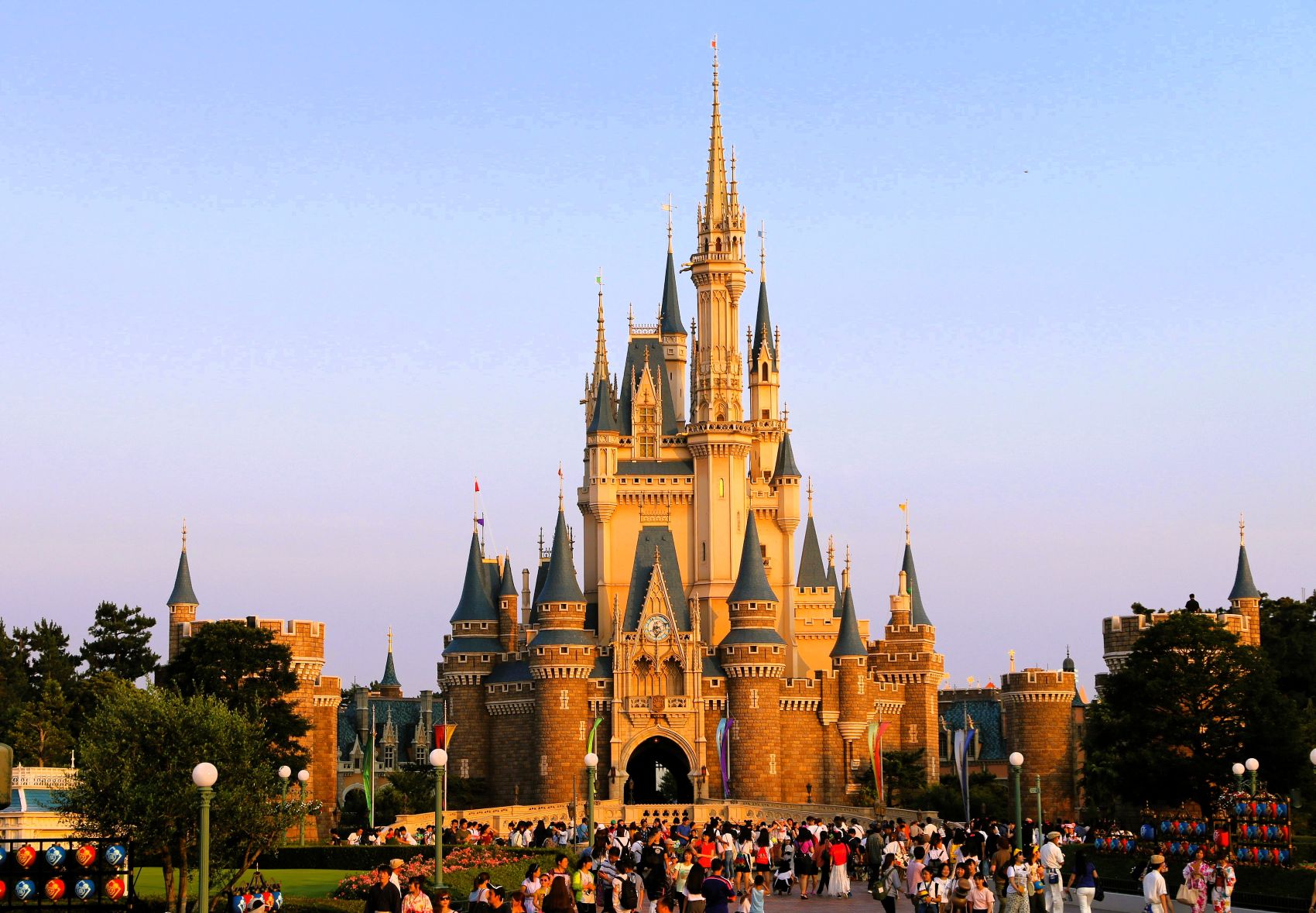
Disneyland, the iconic theme park brand of The Walt Disney Company, operates four theme parks and resorts in Asia: Tokyo Disneyland and Tokyo DisneySea in Japan, Hong Kong Disneyland, and Shanghai Disneyland in China. It could soon add a fifth park on the continent, this time in Thailand.
At least, that is what the Southeast Asian Kingdom firmly believes.
Thai Deputy Prime Minister and Transport Minister Phiphat Ratchakitprakarn has repeatedly said in recent months that Thailand is positioning itself to attract a major global theme park operator such as Disneyland, with the goal of boosting the Eastern Economic Corridor, an area which embraces the provinces of Chachoengsao in the vicinity of Bangkok Suvarnabhumi international airport, Chonburi province (Pattaya) as well as Rayong, home to the oil refinery and car industries. This would then be Asia’s fifth Disneyland.
Pattaya region to be the location of a future Disneyland Park
According to Ratchakitprakarn, a theme park could be a key attraction encouraging both domestic and international travelers to visit the EEC area throughout the year. Any such investment, he stressed, should involve a globally recognized brand. He has proposed that the Eastern Economic Corridor Office (EECO) drives negotiations to secure rights for a Disneyland development, noting that the company currently has no presence in Southeast Asia. Winning such rights, he argued, could significantly strengthen Thailand’s tourism appeal.
Studies suggest a Disneyland-scale project would require between 144 and 480 hectares, according to Ratchakitprakarn. The EECO has therefore been tasked with identifying additional land within EEC provinces to support a development of that size.
A first choice would be to develop the land next to a future 240-hectare national sports complex—featuring an 80,000-seat, world-class football stadium to host international sporting and entertainment events. Authorities are considering expropriating up to 1,600 hectares in total—more than enough to accommodate a major theme park, he said.
Ratchakitprakarn added that the EECO has been instructed to identify additional land for so-called “magnet projects.” The aim, he said, is to create a fully integrated hub combining a global sports venue, shopping centers, hotels and a new residential city. Casinos and gambling venues would be fully excluded according to the current Transport Minister.
“Thailand is ready for an investment like Disneyland,” he stressed. “We have strong service standards, excellent food, and a climate that’s neither too hot nor too cold. We’re at the heart of ASEAN and close to the sea, which supports travel.”
The issue remains reliable public transportation
However, there is a major deterring factor: access. Even Ratchakitprakarn recognized that Thailand incapacity to develop the much-touted high-speed rail line linking Don Mueang, Suvarnabhumi and U-Tapao airports, as well as Pattaya city could deter investors except if new incentives are to be introduced.
He said the Office of the EECO must then urgently design incentive packages that draw people and investment into the area. Without stronger demand drivers, he noted, private operators see little commercial justification for accelerating construction of large-scale transport projects.
However, to know that Disneyland could potentially settle in the area would turn into a major draw that could justify and energize the high-speed rail project and the also stalled development of U-Tapao airport. Ratchakitprakarn told that, following the announcement, Thai investors have already approached authorities about potential co-investment opportunities.
Separately, Chula Sukmanop, secretary-general of the EECO, told Bangkokbiznews that the proposed theme park should be located within the EEC Capital City (EECiti), in Huay Yai sub-district, Bang Lamung district, Chonburi. The future urban area would be linked by monorail to the planned high-speed rail station in Pattaya.
Related News Stories: Cambodia's winter season's slump deepens amid Thailand conflict Global Hotel Alliance highlights priorities in travel in 2026 Angkor Wat loosing its appeal for Asian travelers ONYX opens Agoda online flagship store The six best street art cities in Asia according to Agodaa Brits to favor Morocco, the Maldives, Thailand and Dubai this winter Centara Hotels & Resorts - TravelMole Sri Lanka “City of Dreams” turns Colombo into the Macau of South ... Vivid Sydney event lineup unveiled Disney Dream coming back to UK in 2026


newadmin

















Vegas’s Billion-Dollar Secrets – What They Don’t Want Tourists to Know

Visit Florida’s New CEO Bryan Griffin Shares His Vision for State Tourism with Graham

Chicago’s Tourism Renaissance: Graham Interviews Kristin Reynolds of Choose Chicago

Graham Talks with Cassandra McCauley of MMGY NextFactor About the Latest Industry Research

Destination International’s Andreas Weissenborn: Research, Advocacy, and Destination Impact

Graham and Don Welsh Discuss the Success of Destinations International’s Annual Conference

Graham and CEO Andre Kiwitz on Ventura Travel’s UK Move and Recruitment for the Role

Brett Laiken and Graham Discuss Florida’s Tourism Momentum and Global Appeal

Graham and Elliot Ferguson on Positioning DC as a Cultural and Inclusive Global Destination

Graham Talks to Fraser Last About His England-to-Ireland Trek for Mental Health Awareness

Kathy Nelson Tells Graham About the Honour of Hosting the World Cup and Kansas City’s Future

Graham McKenzie on Sir Richie Richardson’s Dual Passion for Golf and His Homeland, Antigua







 ADS PRO
Global tourism exceeds 1.5 billion travelers announces UN-Tourism
Qatar Airways offers reduced timetable to over 60 destinations
WTTC global tourism reached record economic impact of 11 trillion in 2025
Marginal increase for New York City tourism in 2025
Hands In, UATP join forces for airline multi-card payments