
Thailand prepares to modernize hotel laws with sweeping new legislation
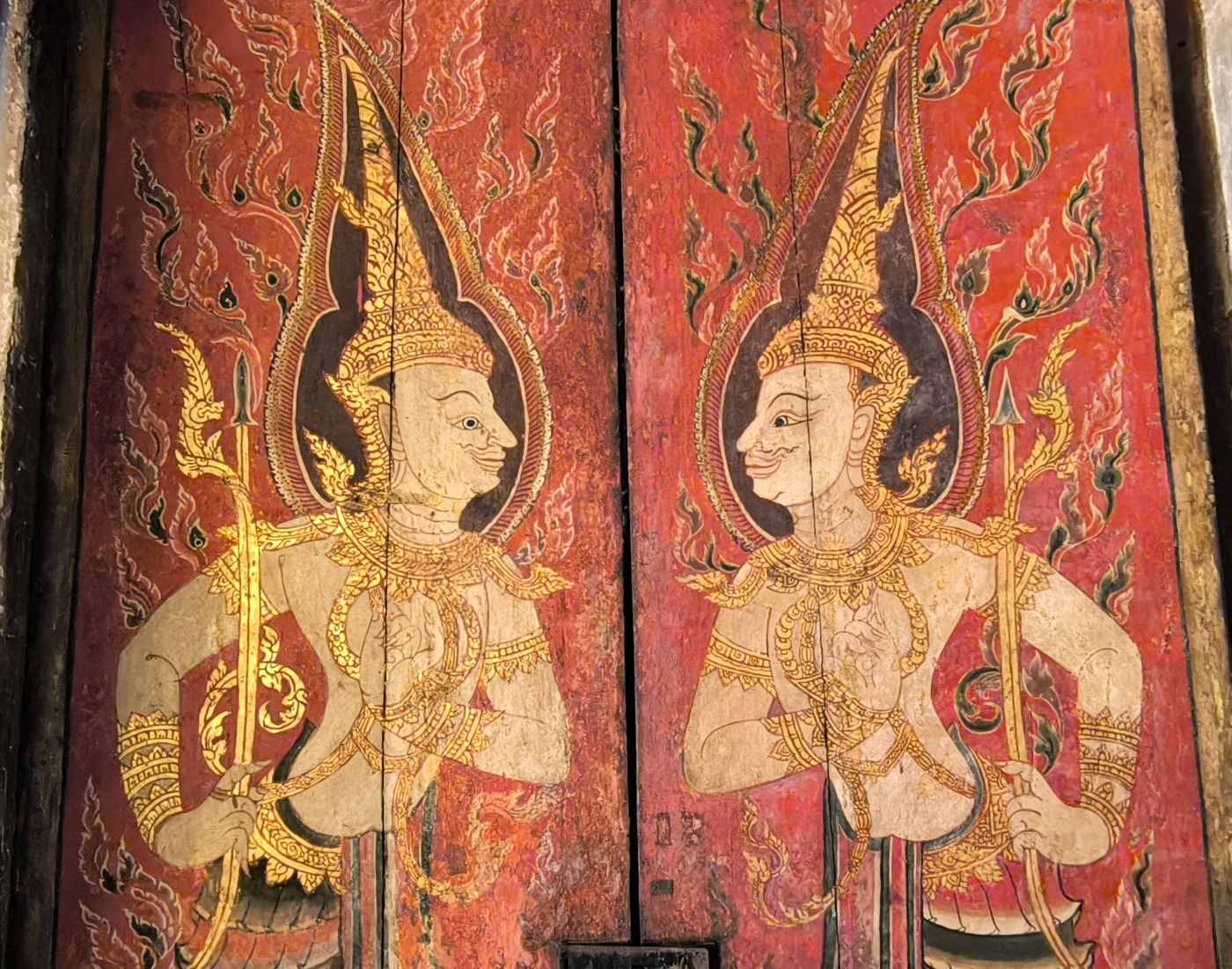
Thailand is set to overhaul its hotel regulations, with the Council of State currently drafting a new Accommodation Act. The future legal frame will replace an outdated Hotel Act of 1994. The move aims to bring the law in line with Thailand rapidly evolving tourism industry.
According to a report from the Government House, the 1994 law is no longer suited to modern travel, which has expanded beyond traditional mass tourism.
Today’s tourists are increasingly interested in niche experiences such as luxury tourism, medical and wellness tourism, and solo travel. Ways to book and decide which accommodation to choose changed already dramatically with digital tools.
There is also a greater focus on responsible tourism, which considers a trip’s environmental, cultural, and community impact.
The new legislation seeks to create a more efficient framework to support all types of accommodation providers. It will cover large hotels and new business models like small-scale hostels, sharing economy services, and local homestays.
Key Reforms and Provisions
The draft law introduces several key changes:
Redefining Accommodation: The current law’s narrow definition of a “hotel” means that many modern lodging types, such as homestays, tents, and treehouses, cannot legally operate. This has left many small-scale operators, who are vital to the grassroots economy, in a legal grey area. The new draft will provide clear definitions for both ‘hotel’ and ‘accommodation’ to cover all types of lodging.
Tailored Regulations: To avoid a “one-size-fits-all” approach, the new law will be more flexible and fair, particularly for small businesses. Low-risk ventures will be able to use a simple “notification” or “registration” system instead of a complex licensing process. The law will also adjust regulatory standards so that smaller accommodations are not required to meet the same strict criteria as large hotels.
Facilitating Business: The government is introducing measures to streamline operations, including an electronic system for guest registration and license applications. A new “Super License” will allow a single license to cover multiple activities and reducing the administrative burden on business owners.
Digital Platform Regulation: In a major move, the new act will introduce measures to regulate digital platforms like Airbnb, Agoda, and Booking.com. This is intended to protect consumers, ensure fair competition between small and large businesses. It will also encourage previously unregulated accommodations to join the formal system.
War-style tensions between Cambodia and Thailand worry tourism professionals
In the meantime, the tensions at the border between Cambodia and Thailand are increasingly worrying the travel industry in Thailand. And particularly William Heinecke, the powerful and vocal chairman of Minor International.
Speaking on August 27, 2025, at a panel hosted by the Stock Exchange of Thailand, Heinecke warned about the economic fallout from the ongoing border dispute. He highlighted that Thailand has roughly 50 billion baht invested in Cambodia. He noted that the tensions are creating significant risks for tourism, business, and logistics.
Heinecke cautioned that the conflict could disrupt Thailand’s position as a regional travel and logistics hub. Safety concerns are deterring travelers and business visitors, while border closures are forcing freight to reroute through Vietnam. It complicates supply chains for Minor International’s hotels and food operations in Cambodia.
He also pointed out that these clashes represent the deadliest confrontations between the two nations in decades, resulting in over 40 fatalities and the displacement of hundreds of thousands of civilians. Despite a ceasefire, land borders remain sealed, drastically curtailing cross-border trade and travel.
Emphasizing the urgency of a diplomatic solution, Heinecke stated, “the tension between Thailand and Cambodia will have significant impact on Thailand if it is not resolved as quickly as possible.” His remarks underline that the conflict is not just a political or military issue but an immediate threat to regional tourism, commerce, and supply chains.
The demise of former Prime Minister Paetongtarn Shinawatra on August 29, is however bringing more political instability to Thailand. It becomes unlikely that any progress could be seen on the Cambodia-Thailand front in the short-term.


TravelMole Editorial Team


















Vegas’s Billion-Dollar Secrets – What They Don’t Want Tourists to Know

Visit Florida’s New CEO Bryan Griffin Shares His Vision for State Tourism with Graham

Chicago’s Tourism Renaissance: Graham Interviews Kristin Reynolds of Choose Chicago

Graham Talks with Cassandra McCauley of MMGY NextFactor About the Latest Industry Research

Destination International’s Andreas Weissenborn: Research, Advocacy, and Destination Impact

Graham and Don Welsh Discuss the Success of Destinations International’s Annual Conference

Graham and CEO Andre Kiwitz on Ventura Travel’s UK Move and Recruitment for the Role

Brett Laiken and Graham Discuss Florida’s Tourism Momentum and Global Appeal

Graham and Elliot Ferguson on Positioning DC as a Cultural and Inclusive Global Destination

Graham Talks to Fraser Last About His England-to-Ireland Trek for Mental Health Awareness

Kathy Nelson Tells Graham About the Honour of Hosting the World Cup and Kansas City’s Future

Graham McKenzie on Sir Richie Richardson’s Dual Passion for Golf and His Homeland, Antigua







 ADS PRO
Global tourism exceeds 1.5 billion travelers announces UN-Tourism
Qatar Airways offers reduced timetable to over 60 destinations
WTTC global tourism reached record economic impact of 11 trillion in 2025
Hands In, UATP join forces for airline multi-card payments
Overseas travelers to the United States declined by 2.5% in 2025