
The “second edition” of Prime Minister Anutin Charnvirakul administration in Thailand plans to fast-track a controversial tourism entry fee.
The information was confirmed on Friday, March 27 by Deputy Prime Minister and Transport Minister Phiphat Ratchakitprakarn. The latter declared that the proposal will be presented at the government’s first Cabinet meeting.
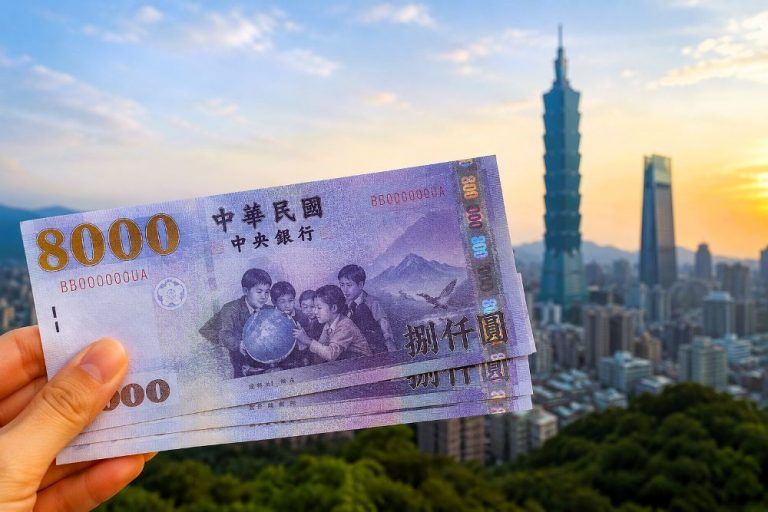
Under the revised policy, the 300 baht (US$9.00) fee would apply only to international visitors arriving in the country by air.
However, plans to introduce a 150 baht charge for those entering via land and sea borders have been put on hold for now. Ratchakitprakarn noted that imposing fees at land crossings could place an unfair burden on cross-border commuters and day-trippers.
This tourist tax scheme has been in discussion for several years as a way to both improve the economy and also counter over-tourism by driving tourists to other regions of the country.
During Charnvirakul first tenure, Tourism and sports Minister Atthakorn Sirilatthayakorn explained that the entry fee would help improve visitor safety, strengthen tourism infrastructure, and support welfare programmes for travelers.
“The THB300 fee isn’t just about revenue; it’s about reinvesting in safety, convenience, and better services for our visitors,” he said at the time, adding that the funds will also help cover tourist insurance and development costs across popular destinations.
To improve public perception, Ratchakitprakarn also suggested rebranding the fee name—currently known by the rather blunt Thai term ka-yiab-phaen-din (“Fee for stepping on the land”)—with a more welcoming and positive name.
Beyond the entry fee, the Charnvirakul new administration is also proposing a major structural overhaul of the civil service: Thailand Ministry of Tourism would merge with the Ministry of Culture while the Ministry for Sports would have its own independent administration.