
UK ethical market grows by £12bn during recession
Market for Ecotourism Grows Despite Economic Downturn
Ethical markets remain resilient as enlightened businesses continue to force through change
Markets for ethical goods and services have remained resilient throughout the economic downturn as a progressive core of retailers and producers continue to factor sustainability such as Fairtrade ingredients into their products and services.
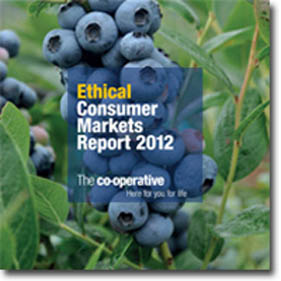
That is the conclusion of The Co-operative’s annual Ethical Consumer Markets Report which shows that since the onset of the recession five years ago the total value of ethical markets in the UK has gone from UK£35.5bn to UK£47.2bn.
Acting as a barometer of green markets since 1999 when annual ethical sales were just £13.5bn, the report analyses sales data for various sectors including food, household goods, eco-travel and ethical finance.
Amongst the biggest growing categories during the recession are sustainable fish up 323 per cent from £69m to £292m, Fairtrade, which has increased 176 per cent from £458m to £1,262m and free range eggs sales up 78 per cent from £444m to £792m.
However, sales of organic produce, although now stabilised at £1.5bn, have declined from a high of £1.9bn in 2008.
In 2011, ethical food and drink markets increased 7.8 per cent per cent to reach £6.9bn. Markets for green home products were up 10.6 per cent to £8.4bn and ethical personal products were up 4.3 per cent to £1.8bn.
Barry Clavin, Sustainability Reporting Manager at The Co-operative, said:
"The report shows that intervention by enlightened businesses, together with regulatory intervention, is driving ethical sales growth."
"During the downturn we’ve seen some of the biggest ever Fairtrade conversions, be it in chocolate or sugar, and business is beginning to respond to the challenge to provide consumers with more sustainable products and services such as fish, palm oil and soya.
"Ethical consumers are still a vitally important agent of change; however, the actions of progressive business are now a significant contributor to sales growth.
At the same time, let’s not lose sight of the fact that ethical sales remain a small proportion of total sales. Ultimately, over and above the efforts of responsible business and ethical consumers, sustainable solutions require a government committed to long term intervention."
Consumers remain willing to pay a premium for ethical goods and services despite lingering economic troubles, according to a new study.
In 2011, the Co-Operative launched what it said is the "most radical sustainability program in UK corporate history." Goals include financing £1 billion in green energy projects, generating the equivalent of 25 percent of its energy needs with renewable power by 2017, and sourcing roughly 90% of products from the developing world under Fairtrade standards by 2013.
Download the annual Ethical Consumer Markets Report at http://www.co-operative.coop/corporate/Investors/Publications/Ethical-Consumerism-Report/
Valere Tjolle
See amazing new 2012 sustainable tourism report 90% off offer HERE


Valere


















Vegas’s Billion-Dollar Secrets – What They Don’t Want Tourists to Know

Visit Florida’s New CEO Bryan Griffin Shares His Vision for State Tourism with Graham

Chicago’s Tourism Renaissance: Graham Interviews Kristin Reynolds of Choose Chicago

Graham Talks with Cassandra McCauley of MMGY NextFactor About the Latest Industry Research

Destination International’s Andreas Weissenborn: Research, Advocacy, and Destination Impact

Graham and Don Welsh Discuss the Success of Destinations International’s Annual Conference

Graham and CEO Andre Kiwitz on Ventura Travel’s UK Move and Recruitment for the Role

Brett Laiken and Graham Discuss Florida’s Tourism Momentum and Global Appeal

Graham and Elliot Ferguson on Positioning DC as a Cultural and Inclusive Global Destination

Graham Talks to Fraser Last About His England-to-Ireland Trek for Mental Health Awareness

Kathy Nelson Tells Graham About the Honour of Hosting the World Cup and Kansas City’s Future

Graham McKenzie on Sir Richie Richardson’s Dual Passion for Golf and His Homeland, Antigua







 ADS PRO
Global tourism exceeds 1.5 billion travelers announces UN-Tourism
Qatar Airways offers reduced timetable to over 60 destinations
WTTC global tourism reached record economic impact of 11 trillion in 2025
Marginal increase for New York City tourism in 2025
Hands In, UATP join forces for airline multi-card payments