Rising jet fuel prices are pushing U.S. airlines to increase ancillary fees, with baggage charges now the latest cost to climb ahead of the busy summer travel season.
Major carriers including American Airlines, Alaska Airlines, JetBlue Airways, United Airlines, Delta Air Lines and Southwest Airlines have all moved to adjust pricing structures, signaling a broader shift in how airlines offset higher operating expenses.
The spike in jet fuel costs, driven by ongoing geopolitical tensions and volatile energy markets, has significantly increased airlines’ cost base. Fuel typically accounts for 20% to 30% of an airline’s operating expenses, making it one of the most sensitive variables impacting profitability.
As a result, U.S. carriers are increasingly relying on ancillary revenues, such as baggage fees, seat selection and onboard services, to protect margins while keeping base fares competitive.
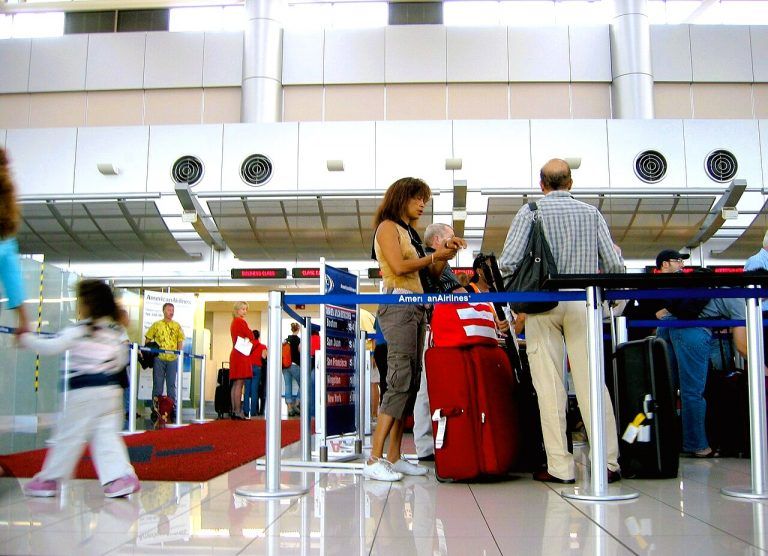
JetBlue Airways was among the first to act, announcing new baggage pricing effective late March. The airline raised the fee for a first checked bag to $39, up from $35, with peak travel periods seeing the price jump to $49. A second checked bag now costs $59 off-peak and $69 during peak periods. American Airlines was one of the latest big carrier to hike fees on bags by $10 per item with steeper increase for passengers traveling on its lowest fares. The move reflects a growing industry trend of dynamic pricing, where fees fluctuate based on demand, seasonality and external events.
Other major U.S. carriers have followed suit with similar increases, typically adding around $10 per checked bag. While Delta Air Lines and United Airlines have historically aligned closely on ancillary pricing strategies, even traditionally customer-friendly Southwest Airlines—long known for its “bags fly free” policy—is facing mounting pressure to reconsider elements of its offering as costs rise.
Luggage fees are essential revenues
Industry analysts note that baggage fees have become a critical revenue stream. U.S. airlines collectively generate billions of dollars annually from these charges, helping to offset fluctuations in fuel prices and labor costs. With demand for travel remaining strong, particularly for leisure routes, airlines are betting that passengers will absorb the higher fees without significantly altering their travel plans.
For travelers, baggage fees, fuel surcharges and higher ticket prices are combining to make summer travel more expensive than in previous years. Experts advise passengers to plan ahead, compare fare bundles carefully and consider traveling light to avoid additional charges.
US carriers baggage policy contrast with Asian or European carriers, which mostly favor increased fuel surcharge. Air France-KLM just announced to double the fuel surcharge to 100 €. Finnair applies for example fuel-related surcharges, representing an added cost of €65 to €100 depending on route and cabin.
As another example, Cathay Pacific announced to have increased its surcharge from US$150 to 200 towards Europe since April 1, 2026. In Vietnam, the Civil Aviation Authority revealed that 60% of the airlines flying to the country had increased their fuel surcharge or planning to do it.
As airlines continue to navigate cost pressures, further adjustments to ancillary fees cannot be ruled out, making price transparency and flexibility increasingly important for consumers.