
Why foodies will love Jerusalem
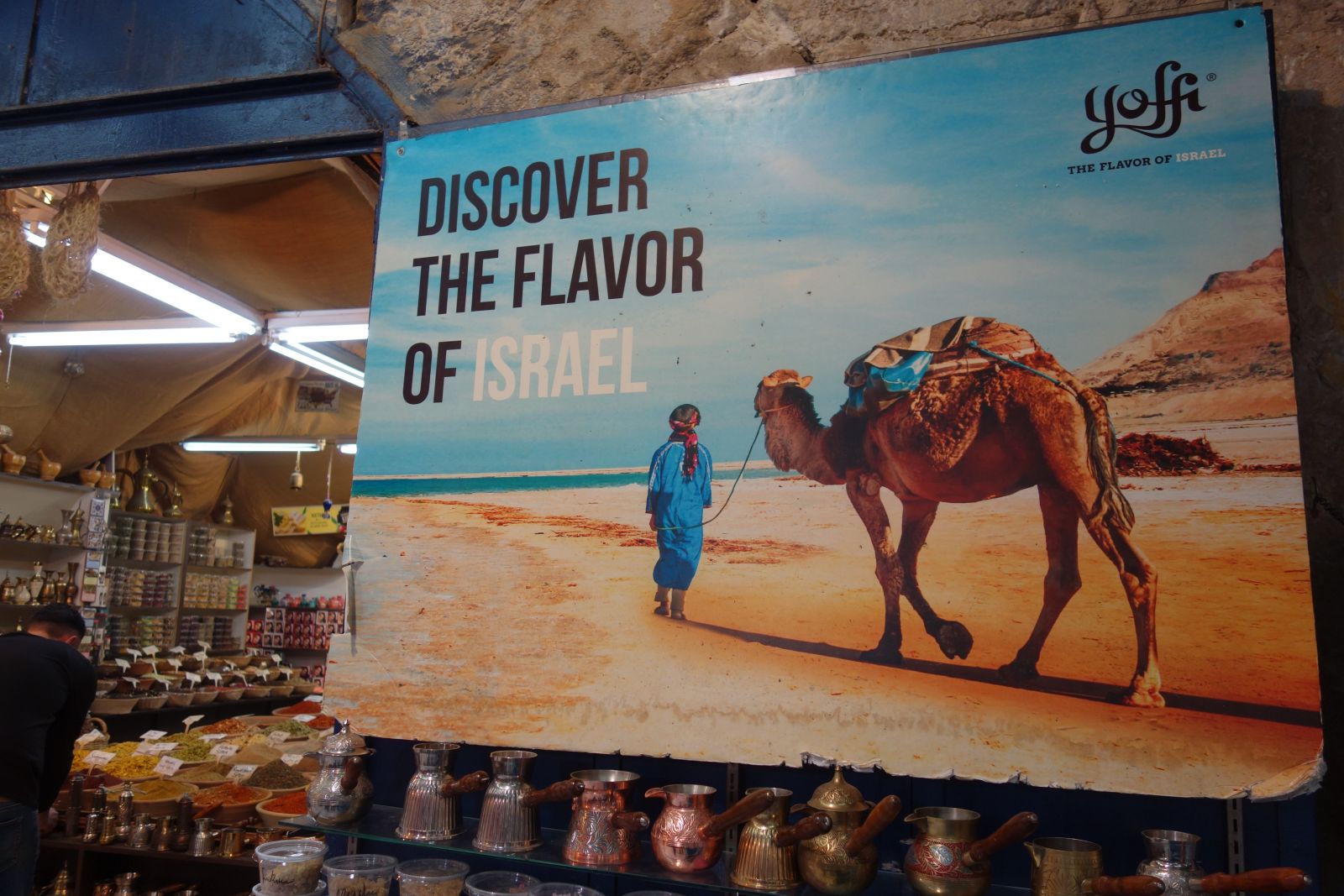
Israel is often in the news for all the wrong reasons, which creates an additional challenge when promoting it as a holiday destination, but Jerusalem is aiming to lure visitors with its thriving food scene, which has become, well, almost like a new religion in this, the holiest of cities.
With a population made up of immigrants from around the world, Jerusalem’s cuisine has always been a melting pot of flavours from the Middle East, the Mediterranean and the Americas, and now its native chefs are taking these culinary delights out of the home and into their restaurants.
Many of them are throwing in new flavours and techniques picked up while working overseas, such as adding Thai flavours including garlic, peanuts and shrimp to a traditional Sakshouka (tomato and onion-based Israeli breakfast dish), a deep-pan pizza filled with a soft boiled egg and served with chilli oil, and stuffing croissants with cheese, beetroot and artichokes.
Ezra Kedem, head chef at Jerusalem’s Studio Arcadia, who trained in San Francisco and New York said: "People came here from all over the world and that is the richness of Jerusalem cuisine. Food is the best ambassador for a country."
 "Jewish cuisine evolved through 1,000 years of exile and this has had an amazing effect on our cuisine, with influences from around the world," added chef Itamar Navon, one of the owners of the celebrated Mona bistro in the heart of Jerusalem.
Ottolenghi might be Israeli’s most famous culinary ambassador, but go to Jerusalem and you can eat at the table of another award-winning chef, Atalya, who, after honing her skills in restaurants overseas, returned to her birthplace of Ein Kerem, an historic village on the outskirts of Jerusalem which was also the birthplace of John the Baptist, to open a restaurant.
In the conservatory of her childhood home, Atalya serves Friday buffet brunches made from produce picked from her garden, such as Jerusalem bagels stuffed with the freshest white spinach, preserves from home-grown figs, mulberries and pomegranates, and dips from almonds and beetroot.
She’s aware that tourists might be put off Jerusalem because of the political situation in Israel, but she said: "It’s amazing to see how food makes people come together." Atalya, who has written an award-winning cookery and travel book, also offers cookery workshops and tours of Jerusalem’s vast food market, Machne Yehuda. "After the first bite, people are friends," she said.
 Machne Yehuda market (or Shuk as it’s called in Hebrew), located in what was once a run-down, no-go zone, is the biggest in Israel with more than 600 stalls, and the area is now a thriving cultural scene. It’s also home to one of the best restaurants in the city, Machneyuda, where tables book up weeks in advance. With no menu and only seasonal produce served, the restaurant – which has two sister restaurants, the Palomar and The Barbary – is also a great place to spot celebrities.
Tasting tours of the 140-year-old market are popular with tourists, both during the day and the night. Some 30-odd bars open up as the shutters on the food stalls come down; you’ll walk down a quiet undercover alley, turn a corner, and boom, they’ll be a party going on outside a bar, or a crowd chilling outside a late-night coffee shop, like Roasters, drinking espressos with Baileys. Night tours are especially popular with millennials, with places such as Beer Bazaar, which sells only boutique ales, and Jimmy’s bar – a neighbourhood shack where there is singing and dancing in the street until the early hours of the morning during the warmer months – a major draw.
 Unique market tours are included in the Open Restaurants food festival, which started in Tel Aviv but has since migrated to Jerusalem. Held every autumn, this five-day event also includes cookery workshops, beer tastings – Israel has 30 craft breweries – wine tastings, including one in the Kentish 19th century Montefiore windmill run by the Jerusalem Vineyard Winery, plus lectures, feasts and activities for children. Tickets sell out within hours of going on sale, so it’s best to advise clients to sign up to the newsletter so they are notified as soon as they go on sale, which is usually six weeks ahead of the event.
Jerusalem Development Authority’s director of tourism IIanit Melchior is hoping the event will attract more international visitors next year. International arrivals have risen 47% over the past 10 years with a 15% year on year increase from the UK, but the challenge for Jerusalem is to entice more tourists, not just Jews and pilgrims.
"We are learning as a city to get better at telling our story," said Melchior. "Open Restaurants is the kind of project that is bringing different flavours and atmosphere, which can only come from a creative, spiritual city like Jerusalem.
"We look at tourism as an economic engine; it is a way to change our image."
One pleasing statistic is that tourists to Jerusalem are getting younger, with visitors more likely to be in their 30s than their 60s, many drawn by the nightlife as much as by the religious sites in the old city. It’s also a great destination for vegetarians – including vegans – because almost every restaurant has nearly as many plant-based dishes as meat and fish. As chef Kedem said: "The sons of Israel are mostly vegetarian." Hummus, a staple of the vegan diet because it’s rich in protein, is a speciality in both the Jewish and Muslim areas of Jerusalem, where locals argue about which is the best hummus cafe.
 It’s easier than ever to reach Jerusalem from the UK following the launch of Virgin’s new flight from London to Tel Aviv, just a 30-minute drive away, which is one of the reasons The Travel Network Group has chosen the city for its next overseas conference.
However, you can’t talk about visiting Israel without addressing the issue of safety. Alluding to the ongoing strife between the Arabs and the Jews in Jerusalem, Moshe Basson, chef of The Eucalyptus restaurant said he works with Muslims, Jews and Christians ‘to show what great things cooks can do with knives’, but Melchior admitted: "People are uncomfortable about security," adding: "We have developed a lot of different ways, both secret and non secret, to deal with this."
Jerusalem certainly feels safe, at least in the touristy areas and it is also very clean. Due to the fact that the British insisted all the street-facing buildings were clad with the sandy Jerusalem limestone’ in the 1920s, even the ancient buildings in the old city look so fresh they’re almost Disneyesque.
It can get very crowded, especially in the old city, home to the majority of Jerusalem’s historic sites, and hotel prices are also high, so it’s best to advise clients to visit in the late autumn when the tourist attractions should be quieter, prices cheaper – and restaurant reservations easier.


Linsey McNeill
Editor Linsey McNeill has been writing about travel for more than three decades. Bylines include The Times, Telegraph, Observer, Guardian and Which? plus the South China Morning Post. She also shares insider tips on thetraveljournalist.co.uk




















Vegas’s Billion-Dollar Secrets – What They Don’t Want Tourists to Know

Visit Florida’s New CEO Bryan Griffin Shares His Vision for State Tourism with Graham

Chicago’s Tourism Renaissance: Graham Interviews Kristin Reynolds of Choose Chicago

Graham Talks with Cassandra McCauley of MMGY NextFactor About the Latest Industry Research

Destination International’s Andreas Weissenborn: Research, Advocacy, and Destination Impact

Graham and Don Welsh Discuss the Success of Destinations International’s Annual Conference

Graham and CEO Andre Kiwitz on Ventura Travel’s UK Move and Recruitment for the Role

Brett Laiken and Graham Discuss Florida’s Tourism Momentum and Global Appeal

Graham and Elliot Ferguson on Positioning DC as a Cultural and Inclusive Global Destination

Graham Talks to Fraser Last About His England-to-Ireland Trek for Mental Health Awareness

Kathy Nelson Tells Graham About the Honour of Hosting the World Cup and Kansas City’s Future

Graham McKenzie on Sir Richie Richardson’s Dual Passion for Golf and His Homeland, Antigua







 ADS PRO
Higher departure tax and visa cost, e-arrival card: Japan unleashes the fiscal weapon against tourists
Euromonitor International unveils world’s top 100 city destinations for 2025
U.S.A. and Israel attacks on Iran impact air movements in the Gulf (Update 1.00pm CET)
Global tourism exceeds 1.5 billion travelers announces UN-Tourism
WTTC global tourism reached record economic impact of 11 trillion in 2025