
ABTA Chief Executive Mark Tanzer opened the association’s Travel Matters conference by highlighting the significant challenges currently facing the travel industry, the wider UK economy, and consumers.
We meet today at a time, not of crisis, but of severe challenge—for the travel industry, for the UK economy more broadly, and for UK households.
The situation does not compare to the pandemic, and since Covid the travel industry has recovered strongly and been able to stabilize its finances.
The largesse that the Government dispensed then—and which has left the UK with record levels of debt—will not be available again. Nonetheless, the short-, medium-, and long-term health of the travel industry is intimately tied to the visions and actions of our politicians, and we are here today to explore the areas where collaboration and support are most needed.
In the short term, everything is pointing to a tight summer market for the travel industry overall. Although there are bright spots, such as cruise, there is evidence from our research that apprehension generally, and the rising cost of living here, are dampening early-season booking levels, albeit that the underlying intention to travel is still strong.
Gulf war effect unlikely to disappear anytime soon
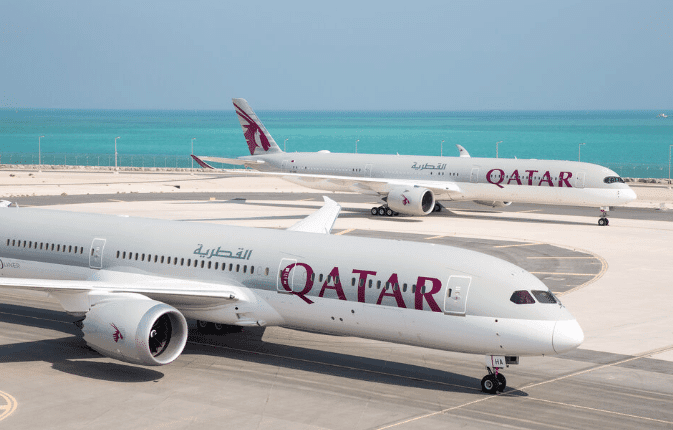
The US-Israel assault on Iran at the end of February caused an immediate shock wave, as the Foreign Office advised against travel to and through the Gulf. ABTA members responded immediately to repatriation needs and to travel adjustments, but the ongoing restrictions continue to hamper travel through the region.
ABTA stands behind the FCDO advisories, but we continue to liaise with them to emphasize the impact of not being able to transit through the Gulf.
Unfortunately, the fragility of the current ceasefire, and the diminishing credibility of “deal” announcements from the White House, mean that this advisory is unlikely to change in the immediate future.
The closure of the Strait of Hormuz has led to some alarmist reporting about short-term fuel shortages, flight cancellations, and steeper prices for travelers.
ABTA has been at pains to reassure UK customers that, in reality, cancellations are running at fewer than 1% of scheduled flights and are in line with historical rescheduling levels, and that flights remain competitively priced, partly because airlines had fuel-hedging strategies in place and partly because they are all competing vigorously for customers’ business.
Government moves to ease the short-term pressure on airlines through relaxation of the “use it or lose it” slot rules, and the encouragement of alternative sources of jet fuel, are welcome as we look ahead. The resumption of normal supplies of jet fuel from the Gulf will take time, even after unimpeded transit through the Strait of Hormuz is resumed.
The impact of the Middle East conflict will stretch into the medium term, at least. At the IATA conference over the weekend, Willie Walsh said that airline margins will shrink as a result of higher fuel costs, which, if prolonged, will also delay investment in new, more fuel-efficient aircraft—adding to both the financial and environmental costs.
EU Entry/Exit System concerns
While the Middle East has provided much of this year’s uncertainty, Europe has also been a focus, for different reasons. ABTA’s political engagement extends far beyond the UK. Together with airline bodies and our Future Travel Coalition partners, we are in constant dialogue with destination ministries and the European Commission to improve the customer experience.
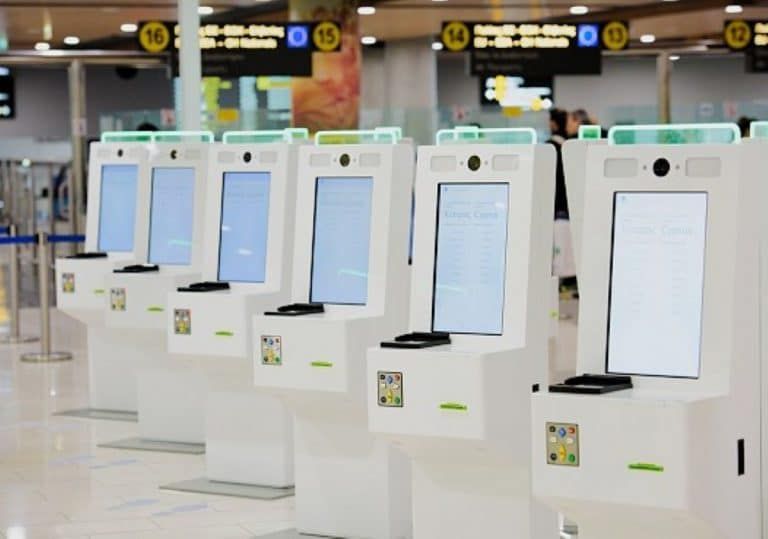
One current problem is the rollout of the EU Entry/Exit System, which is creating an unhelpful—and potentially damaging—backdrop for summer travel to EU destinations. There clearly are some hotspots, and we urge destinations to use the contingency flexibility allowed under the Regulation to suspend biometric registration where lines are unacceptably long.
Making sure that the UK Government understands the strategic and economic importance of the aviation and tourism sectors is an ongoing task for ABTA and our members, who together provide the backbone of an established and flourishing sector.
Restrained budget for infrastructure investment in the UK
I’m pleased that the current Government does seem to recognize this, but it is vital that policies follow the rhetoric. This is particularly the case in the drive toward lower-carbon aviation.
Given the potential narrowing of margins, the aviation industry, and its customers, cannot afford layer upon layer of emissions taxes. The commitment to lower-carbon aviation is there on both sides, but the trajectory needs to be realistic and mutually agreed upon.
The war in Ukraine and the conflict in Iran have brought home how precarious the UK energy position is. Our industrial energy costs are often cited as the highest in Europe, and we know that any disruption drives inflation and reduces real incomes.
Security of supply and control of energy costs should be a government priority, while maintaining the drive toward a lower-carbon future.
Investment in national infrastructure is likely to be limited for the foreseeable future, given that the national debt burden is running at its highest level since the 1960s. Therefore, providing the right fiscal incentives for private investment will be crucial.
Travel is a resilient sector. ABTA’s customer research consistently shows the importance of the annual vacation. But the industry cannot float in midair, detached from the performance of the wider economy.
Successive governments have made economic growth a manifesto priority, but there is still little sign of achieving it. The economy is flatlining; national debt is sky-high; public spending on defense will increase; and health and care spending will continue to rise as the population ages.
This is a bleak scenario, without a single easy answer. Instead, the Government needs to do everything it can to allow businesses to breathe.
UK in economic and social crisis
There was a report a fortnight ago that the number of NEETs (adults aged 16–24 not in employment, education, or training) has now exceeded one million, with a cumulative cost to the economy of £125 billion a year.
This is an economic and social crisis.
The travel and hospitality industries have historically provided multiple entry points into the workforce for younger people. Part of the attraction has been the opportunity to travel and work abroad.
Of course, this was severely curtailed when we left the EU, and we encourage the Government to move forward with implementing an EU-wide Youth Experience Scheme as a matter of urgency.
Given the current disruptions being experienced, and given the pressure on household incomes, it is natural that ABTA is focused on helping our members navigate choppy waters.
But we are not taking our eye off the longer-term sustainability challenge that the growth of tourism presents. This is as relevant to the UK as it is to overseas destinations, and we work closely with destinations to find a model that balances the interests of residents, the tourism industry, and visitors.
We do not believe that the introduction of tourism taxes is the best way to find this balance, insofar as its impact is to raise prices and reduce demand. A more productive strategy is to limit costs placed on businesses, and SMEs in particular, so they are able to grow and create jobs.
The outbound travel industry already employs more than 800,000 people through its extended supply chain and contributes more than £50 billion to the UK economy annually.
I know that we will weather the current storm and that consumer demand will remain, but much work needs to be done to manage the longer-term challenges and to fulfill travel’s full economic and social potential.