
Air Canada CEO precipitous retirement highlights the bilingual dilemma faced by Canadian companies
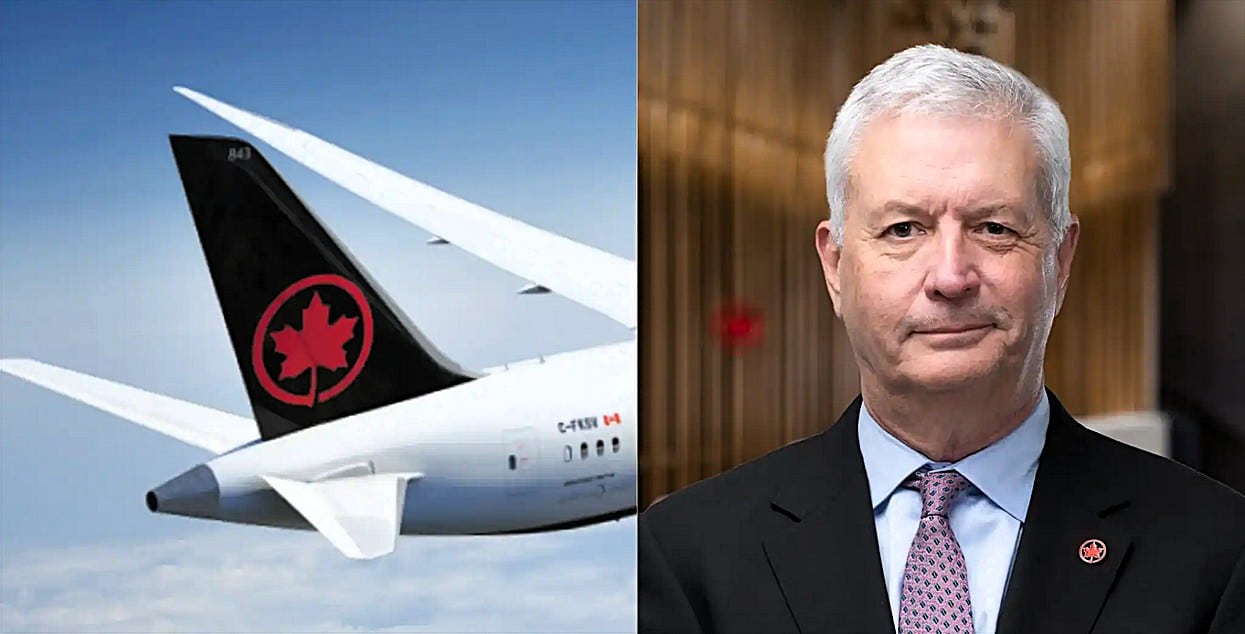
Air Canada’s sudden leadership transition announced on March 30, is more than a corporate reshuffle. It is a stark reminder of the linguistic realities shaping business in Canada’s travel sector.
The pending retirement of CEO Michael Rousseau, announced for late 2026, follows days of intense political and public backlash after he delivered a largely English-only video message responding to a fatal accident involving two Air Canada pilots at New York’s LaGuardia Airport.
While officially framed as a planned succession, the timing leaves little doubt that the controversy accelerated his exit. The issue was not operational performance as Rousseau is widely credited with steering the airline through post-pandemic recovery. It was rather his inability to communicate effectively in French, one of Canada’s two official languages. Actually it is a requirement for Air Canada employees.
Rejected apology
Related News Stories: Europeans closer to Belize thanks to Air Canada - Travel Mole Air Canada plots major U.S. expansion From Toronto Island Airport Air Canada's Budapest flights resume next summer - Travel Mole Air Canada upgrades compensation after strike - Travel Mole Air Canada to resume flights from August 18 - TravelMole Air Canada launching Sapporo, Japan flights - Travel Mole Air Canada strike to continue for now despite call for arbitration Air Canada announces new travel adviser reward program Air Canada revamp of Frequent Flyer Program to restrict budget ... Air Canada needs up to 10 days to resume all international flights


newadmin





















Vegas’s Billion-Dollar Secrets – What They Don’t Want Tourists to Know

Visit Florida’s New CEO Bryan Griffin Shares His Vision for State Tourism with Graham

Chicago’s Tourism Renaissance: Graham Interviews Kristin Reynolds of Choose Chicago

Graham Talks with Cassandra McCauley of MMGY NextFactor About the Latest Industry Research

Destination International’s Andreas Weissenborn: Research, Advocacy, and Destination Impact

Graham and Don Welsh Discuss the Success of Destinations International’s Annual Conference

Graham and CEO Andre Kiwitz on Ventura Travel’s UK Move and Recruitment for the Role

Brett Laiken and Graham Discuss Florida’s Tourism Momentum and Global Appeal

Graham and Elliot Ferguson on Positioning DC as a Cultural and Inclusive Global Destination

Graham Talks to Fraser Last About His England-to-Ireland Trek for Mental Health Awareness

Kathy Nelson Tells Graham About the Honour of Hosting the World Cup and Kansas City’s Future

Graham McKenzie on Sir Richie Richardson’s Dual Passion for Golf and His Homeland, Antigua







 ADS PRO
Global tourism exceeds 1.5 billion travelers announces UN-Tourism
Qatar Airways offers reduced timetable to over 60 destinations
WTTC global tourism reached record economic impact of 11 trillion in 2025
Marginal increase for New York City tourism in 2025
Hands In, UATP join forces for airline multi-card payments