
Algeria tourism: remaining forever the “Sleeping Beauty”?
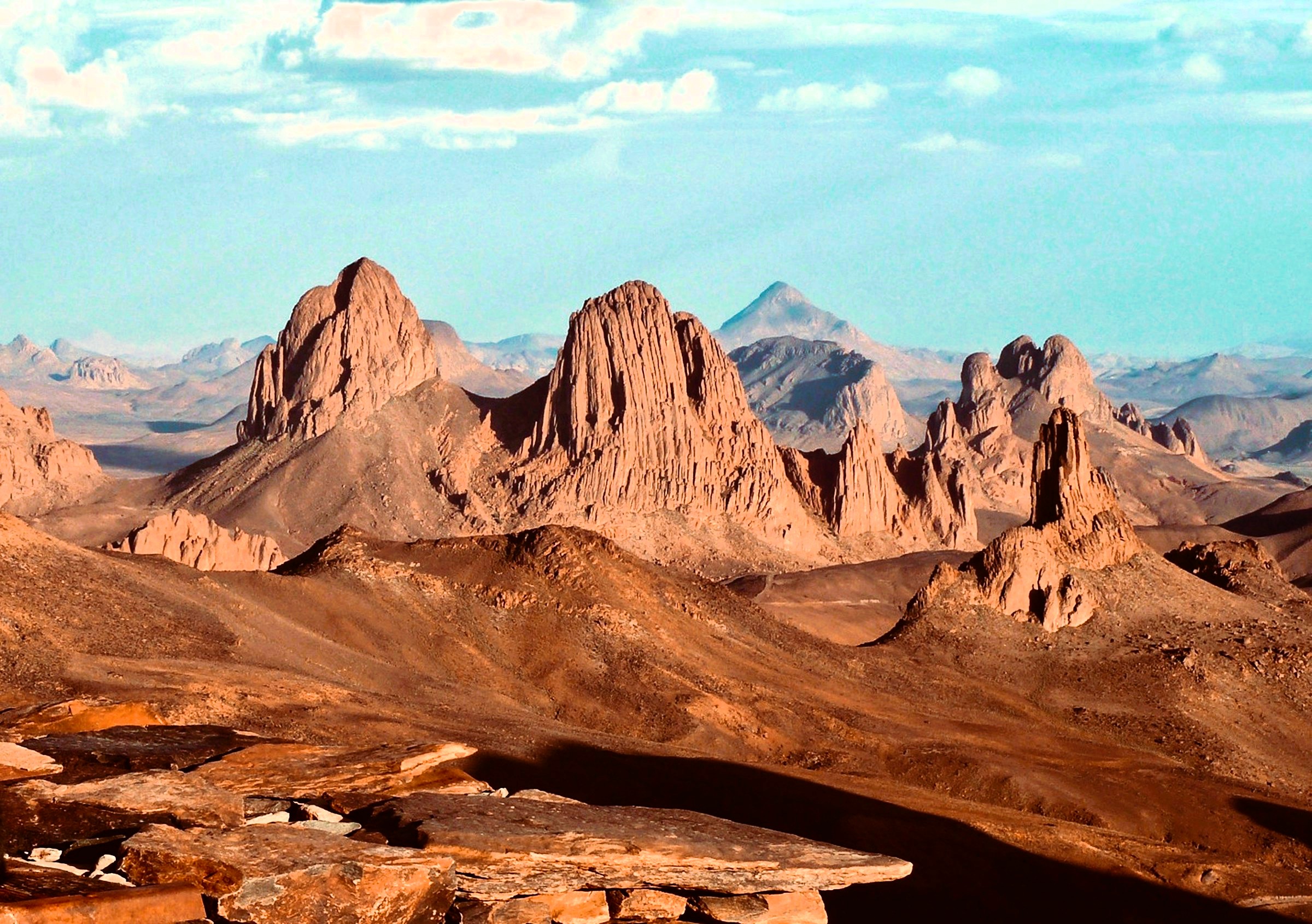
Compared to its neighbors in Northern Africa (Morocco and Tunisia), Algeria tourism remains in its infancy, paying the consequence of political neglect for this sector.
However, Algeria seems to wake up from its decade-long tourism hibernation. It is now setting ambitious targets to expand its tourism industry, aiming to welcome four million visitors in 2025, up from 3.5 million in 2024. Tourism Minister Houria Meddahi announced the plans at the Algiers International Tourism Fair, underscoring the sector’s role in economic diversification.
The breakdown of last year’s arrivals included 2.5 million foreign visitors and one million members of the Algerian diaspora. For this year, the government is banking on streamlined visa procedures, digital services, and a stronger emphasis on Saharan tourism to reach its goal. Longer term, Algeria aims for 12 million foreign arrivals by 2030 and 14 million by 2035.
Tourism already plays an important role in the country’s economy. It sustains about 450,000 direct and indirect jobs. The crafts sector, closely tied to visitor spending, employs more than 1.2 million people. There are roughly 460,000 certified artisans nationwide.
To attract more international travelers, Algeria is rolling out a series of modernization measures. A national digital platform will centralize licensing, hotel reservations, and secure payments, fully integrated with international payment systems. The effort is designed to make the country’s hospitality sector more accessible to foreign tourists who, until now, have faced limited options for online transactions.
Visa, a major constraint for travelers
Obtaining a visa in an easier way is another key pillar. Visa procedures remain indeed a major obstacle to tourism development. Independent travelers must go through consular channels—often with slow processing and complex documentation.
Since late 2022, Algeria has offered visa-on-arrival for travelers visiting key southern provinces—such as Tamanrasset, Djanet, Timimoun, and Béchar—when booked through approved tour operators. These tourists receive boarding authorizations via a digital platform. They must then complete payment and receive their visas on arrival—typically valid for up to 30 days. Desert tourism has been steadily gaining traction, with over 16,000 foreign visitors exploring the Sahara last year.
Looking ahead, Algeria wants to expand the Sahara experience to the entire country. It is advancing plans to launch a comprehensive electronic visa (e-Visa), aiming to simplify entry across the entire country, regardless of destination.
The government is also investing in infrastructure, planning to add nearly 16,000 new hotel rooms by the end of 2025. It brings Algeria total capacity to about 160,000 rooms. This expansion is aimed at accommodating both cultural and adventure tourists drawn to Algeria’s southern deserts.
By upgrading its digital and regulatory framework, Algeria hopes to reposition itself as a competitive Mediterranean destination.
With regional competitors already well advanced to facilitate tourists’ arrivals, Algeria’s challenge will be to deliver on reforms swiftly enough to match its ambitious growth trajectory. The will is there…


TravelMole Editorial Team



















Vegas’s Billion-Dollar Secrets – What They Don’t Want Tourists to Know

Visit Florida’s New CEO Bryan Griffin Shares His Vision for State Tourism with Graham

Chicago’s Tourism Renaissance: Graham Interviews Kristin Reynolds of Choose Chicago

Graham Talks with Cassandra McCauley of MMGY NextFactor About the Latest Industry Research

Destination International’s Andreas Weissenborn: Research, Advocacy, and Destination Impact

Graham and Don Welsh Discuss the Success of Destinations International’s Annual Conference

Graham and CEO Andre Kiwitz on Ventura Travel’s UK Move and Recruitment for the Role

Brett Laiken and Graham Discuss Florida’s Tourism Momentum and Global Appeal

Graham and Elliot Ferguson on Positioning DC as a Cultural and Inclusive Global Destination

Graham Talks to Fraser Last About His England-to-Ireland Trek for Mental Health Awareness

Kathy Nelson Tells Graham About the Honour of Hosting the World Cup and Kansas City’s Future

Graham McKenzie on Sir Richie Richardson’s Dual Passion for Golf and His Homeland, Antigua







 ADS PRO
Global tourism exceeds 1.5 billion travelers announces UN-Tourism
Qatar Airways offers reduced timetable to over 60 destinations
WTTC global tourism reached record economic impact of 11 trillion in 2025
Marginal increase for New York City tourism in 2025
Hands In, UATP join forces for airline multi-card payments