
Australia asks travelers to be more cautious as Indonesia new criminal code comes into force
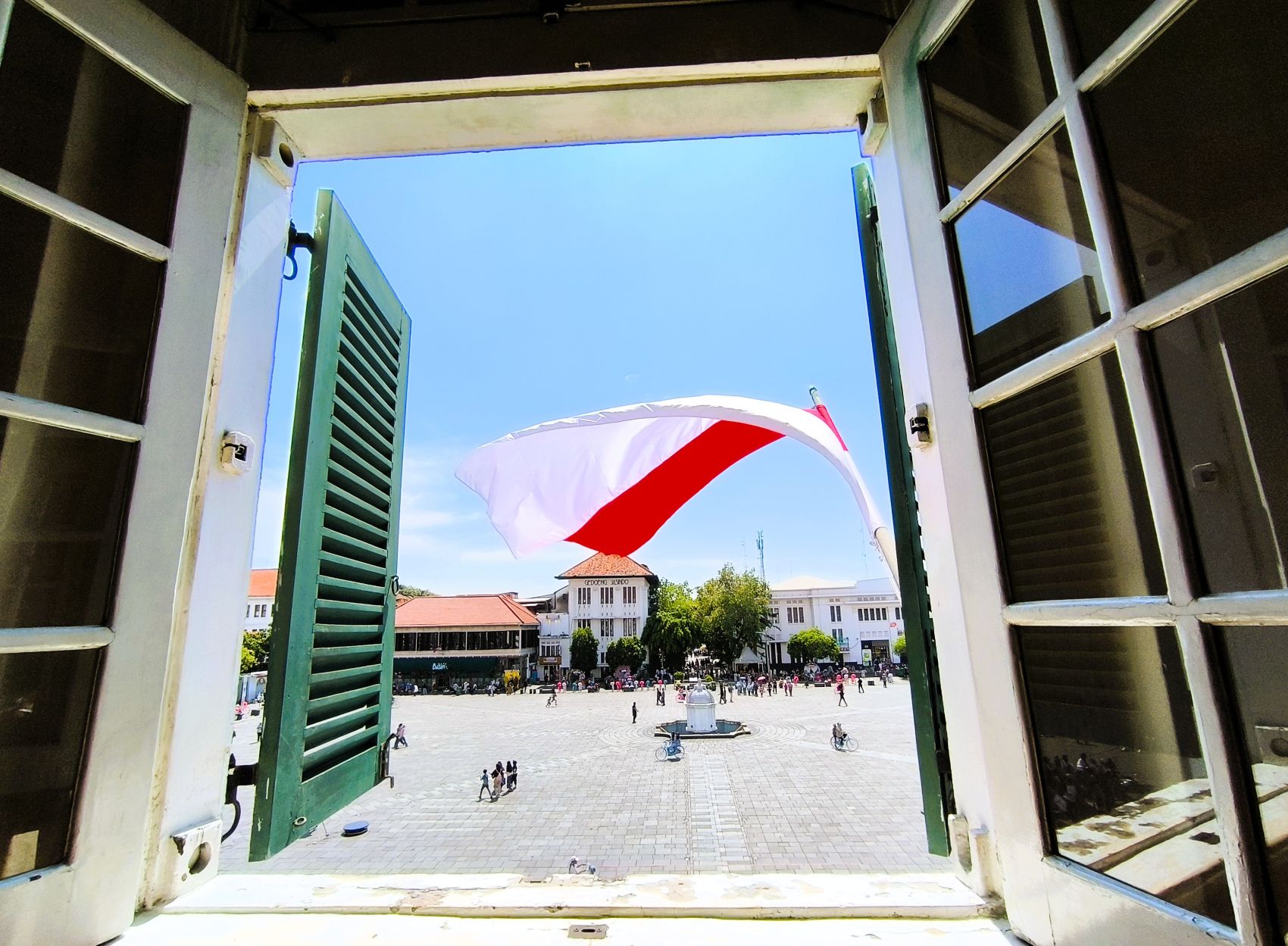
Immoral behavior according to society traditional principles has been the target of a law in Indonesia back to 2022. However, the government decided to delay its application by three years due to concerns about a wide-spread morality-related crackdown in the country, including eventually foreign travelers.
Three years have passed and on January 2, 2026, the law will be effective. As such, the Australian government updated its website providing advices to Australian citizens on the move. At smartraveller.gov.au, the following update has been provided.
Under the section local law, Australian officials explain that travelers to Indonesia are “subject to all local laws and penalties, including those that may appear harsh by Australian standards.”
Standards of dress and behavior are conservative in many parts of Indonesia with the advice of taking care not to offend.
The website further highlights to ensure respect for local religious beliefs, places of worship, traditional ceremonies and religious offerings. It tells not to climb sacred trees or take photographs that may be offensive, including at religious and cultural sites. It’s sometimes illegal to take photographs in certain places. Obey signs banning photography. It also points to specific laws regarding Bali with the advice to check the official ‘Do’s and Don’ts’ advice before to travel. Failure to observe local customs and laws may lead to criminal penalties and/or deportation.
The new paragraph is about Indonesia revising its criminal code. The revision includes penalties for cohabitation, adultery and sex outside of marriage between a man and a woman. If you’re married, authorities can act on a complaint submitted by your spouse. If you’re unmarried, authorities can act on a complaint submitted by your child or parent. These laws will come into force from 2 January 2026.
Many human right observers believe that the devil is in the details as the law contains nearly 600 articles that need to be spelled out clearly by lawmakers One article in particular has the potential to reinforce sharia local bylaws that discriminate against women and LGBTQ+ groups.
Indonesia introduced an Electronic and Information Transactions Law (ITE Law). Tough penalties apply for defamation, hate speech, spreading hoaxes or fake news, and uploading immoral content to the Internet. This includes articles that outlaw religious blasphemy, propagation of views counter to Pancasila ideology (encompassing Indonesia’s cultural and religious values), and unauthorized public protests. The law applies both within and outside Indonesia, to both Indonesians and foreigners.
While Indonesian tourism officials are prompt to highlight that the section on marital relations applies almost exclusively to Indonesian citizens, it could still tarnish the image of a country praised for its great sense of tolerance in the past.
Related News Stories: Passengers demand a full digital travel experience, shows SITA report Tourism Australia and trip.com to boost globally Australia's appeal Ponant announces 2025 Australia agent Discovery Sessions Australian travel company collapses France to ask non EU-tourists to pay more for museums and ... Canada's domestic and non-US travel boom feeds 2025 Tourism ... Las Vegas tourism plunge : blame greed and U.S. politics The United States to impose a hefty US$250 additional fee on ... Air India scrapping San Francisco routes Virgin Voyages offers status match to 50 million elite travelers


newadmin





















Vegas’s Billion-Dollar Secrets – What They Don’t Want Tourists to Know

Visit Florida’s New CEO Bryan Griffin Shares His Vision for State Tourism with Graham

Chicago’s Tourism Renaissance: Graham Interviews Kristin Reynolds of Choose Chicago

Graham Talks with Cassandra McCauley of MMGY NextFactor About the Latest Industry Research

Destination International’s Andreas Weissenborn: Research, Advocacy, and Destination Impact

Graham and Don Welsh Discuss the Success of Destinations International’s Annual Conference

Graham and CEO Andre Kiwitz on Ventura Travel’s UK Move and Recruitment for the Role

Brett Laiken and Graham Discuss Florida’s Tourism Momentum and Global Appeal

Graham and Elliot Ferguson on Positioning DC as a Cultural and Inclusive Global Destination

Graham Talks to Fraser Last About His England-to-Ireland Trek for Mental Health Awareness

Kathy Nelson Tells Graham About the Honour of Hosting the World Cup and Kansas City’s Future

Graham McKenzie on Sir Richie Richardson’s Dual Passion for Golf and His Homeland, Antigua







 ADS PRO
Global tourism exceeds 1.5 billion travelers announces UN-Tourism
Qatar Airways offers reduced timetable to over 60 destinations
WTTC global tourism reached record economic impact of 11 trillion in 2025
Marginal increase for New York City tourism in 2025
Hands In, UATP join forces for airline multi-card payments