
Bali halts new hotel and villa construction after deadly floods
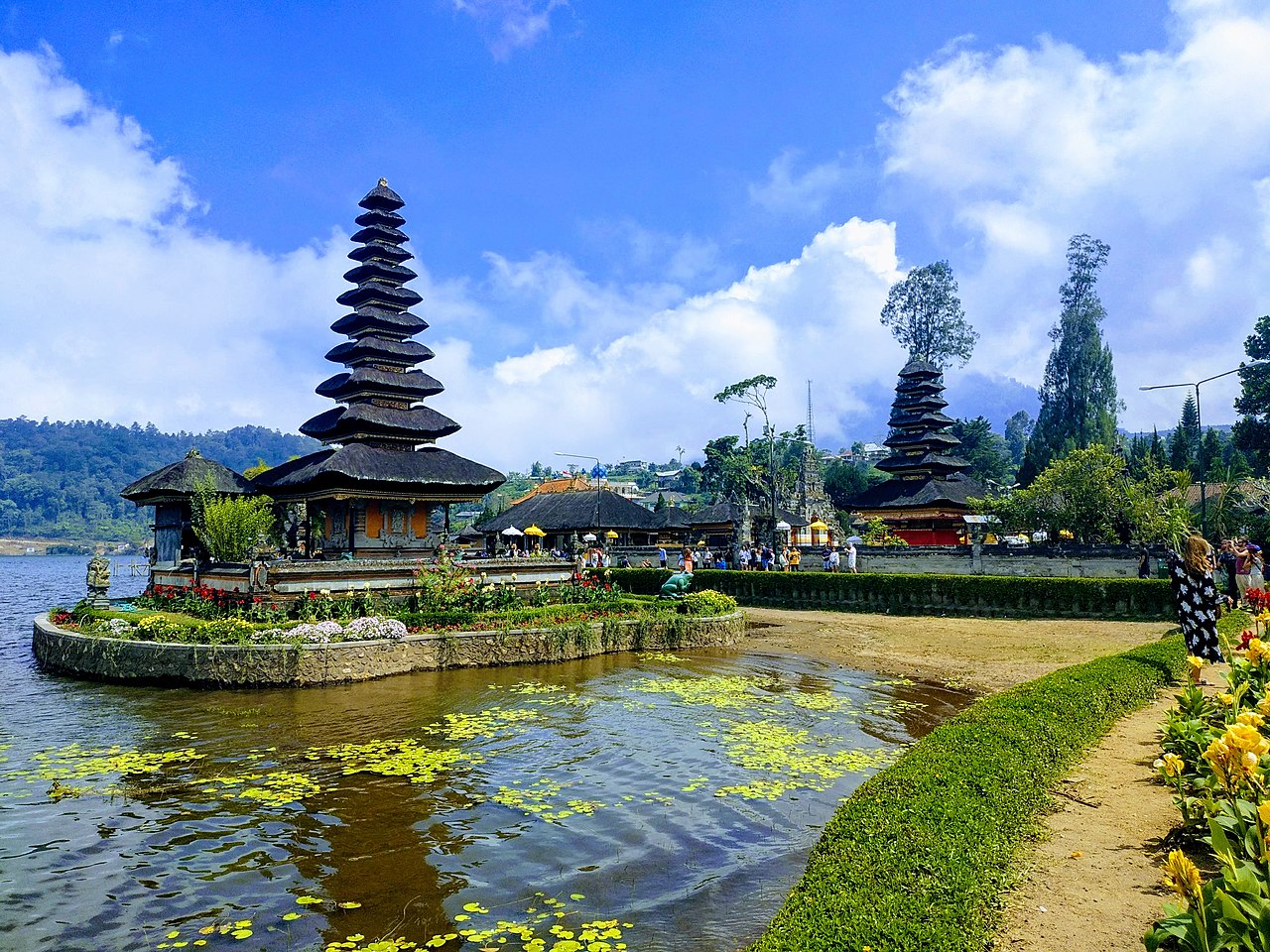
The Bali provincial government has officially imposed a moratorium on the construction of hotels, villas, restaurants, and other commercial developments on productive farmland and areas designated for agriculture or rainwater absorption.
The move follows severe flooding that swept across large parts of the island, killing at least 18 people and causing extensive property damage. The floods inundated and destroyed homes, villas and shops across large swathes of the island.
Outside of the heavy rainfall, authorities and environmental groups and locals quickly pointed to two major culprits to the environmental tragedy: tourism over-development and trash. The second is indeed a consequence of the first.
Governor Wayan Koster said the moratorium is a “strategic step” to stop the rapid conversion of agricultural land into commercial properties, which experts say has worsened flooding and erosion.
“Starting from now on, in line with Bali’s 100th anniversary celebrations, there will be no further conversion of productive land for commercial purposes such as hotels and restaurants,” Koster announced on September 15. “I have instructed all Regents [Head of Districts] and Mayors to comply. Once flood management work is completed, we’ll reconvene to ensure that no new permits violate this policy.”
The announcement came after a joint meeting involving the Environment and Forestry Minister Hanif Faisol Nurofiq, the Regent of Badung, the Mayor of Denpasar, and members of the Bali Provincial Leadership Communication Forum. Meanwhile, existing construction on the island are not affected by the edicted ban.
Minister Hanif warned of the critical condition of the Ayung River Basin, which has retained only 1,500 hectares — about 3% — of forest cover out of a total 49,500 hectares. Environmental studies show at least 30% tree cover is needed to maintain ecosystem balance and prevent water runoff.
“The Ayung River Basin flows through Denpasar, Badung, Gianyar, and Tabanan. With only 3 percent forest cover left, its ability to absorb rainfall is dangerously low,” Hanif acknowledged.
Tourism infrastructure development destroys Bali’s natural protection
He added that Bali lost 459 hectares of forest in the past decade. While looking relatively small, the figure has outsized ecological impact. “Bali can’t afford to act carelessly. Its spatial planning must be reassessed; the island is already extremely vulnerable to hydro-meteorological disasters,” he cautioned.
Following the announcement, a joint team from the Environment and Forestry Ministry and local governments began reviewing Bali’s Strategic Environmental Assessment (KLHS) as part of a wider overhaul of spatial planning.
Governor Koster said the recent floods should serve as a wake-up call for all sectors to place environmental protection at the forefront of Bali’s development agenda.
“Rivers are the source of life,” he said. “We must safeguard Bali’s ecosystem for the generations to come.”
Bali is set for a new annual record for foreign visitors in 2025. Indonesia’s number 1 destination expects to accommodate over 6.5 million tourists. July saw even an absolute record with 697,107 foreign visitors.



TravelMole Editorial Team




















Vegas’s Billion-Dollar Secrets – What They Don’t Want Tourists to Know

Visit Florida’s New CEO Bryan Griffin Shares His Vision for State Tourism with Graham

Chicago’s Tourism Renaissance: Graham Interviews Kristin Reynolds of Choose Chicago

Graham Talks with Cassandra McCauley of MMGY NextFactor About the Latest Industry Research

Destination International’s Andreas Weissenborn: Research, Advocacy, and Destination Impact

Graham and Don Welsh Discuss the Success of Destinations International’s Annual Conference

Graham and CEO Andre Kiwitz on Ventura Travel’s UK Move and Recruitment for the Role

Brett Laiken and Graham Discuss Florida’s Tourism Momentum and Global Appeal

Graham and Elliot Ferguson on Positioning DC as a Cultural and Inclusive Global Destination

Graham Talks to Fraser Last About His England-to-Ireland Trek for Mental Health Awareness

Kathy Nelson Tells Graham About the Honour of Hosting the World Cup and Kansas City’s Future

Graham McKenzie on Sir Richie Richardson’s Dual Passion for Golf and His Homeland, Antigua







 ADS PRO
Higher departure tax and visa cost, e-arrival card: Japan unleashes the fiscal weapon against tourists
U.S.A. and Israel attacks on Iran impact air movements in the Gulf (Update 1.00pm CET)
Global tourism exceeds 1.5 billion travelers announces UN-Tourism
Qatar Airways offers reduced timetable to over 60 destinations
WTTC global tourism reached record economic impact of 11 trillion in 2025