
As Bulgaria moves to the Euro, is it the end of its “affordable holiday destination” status?
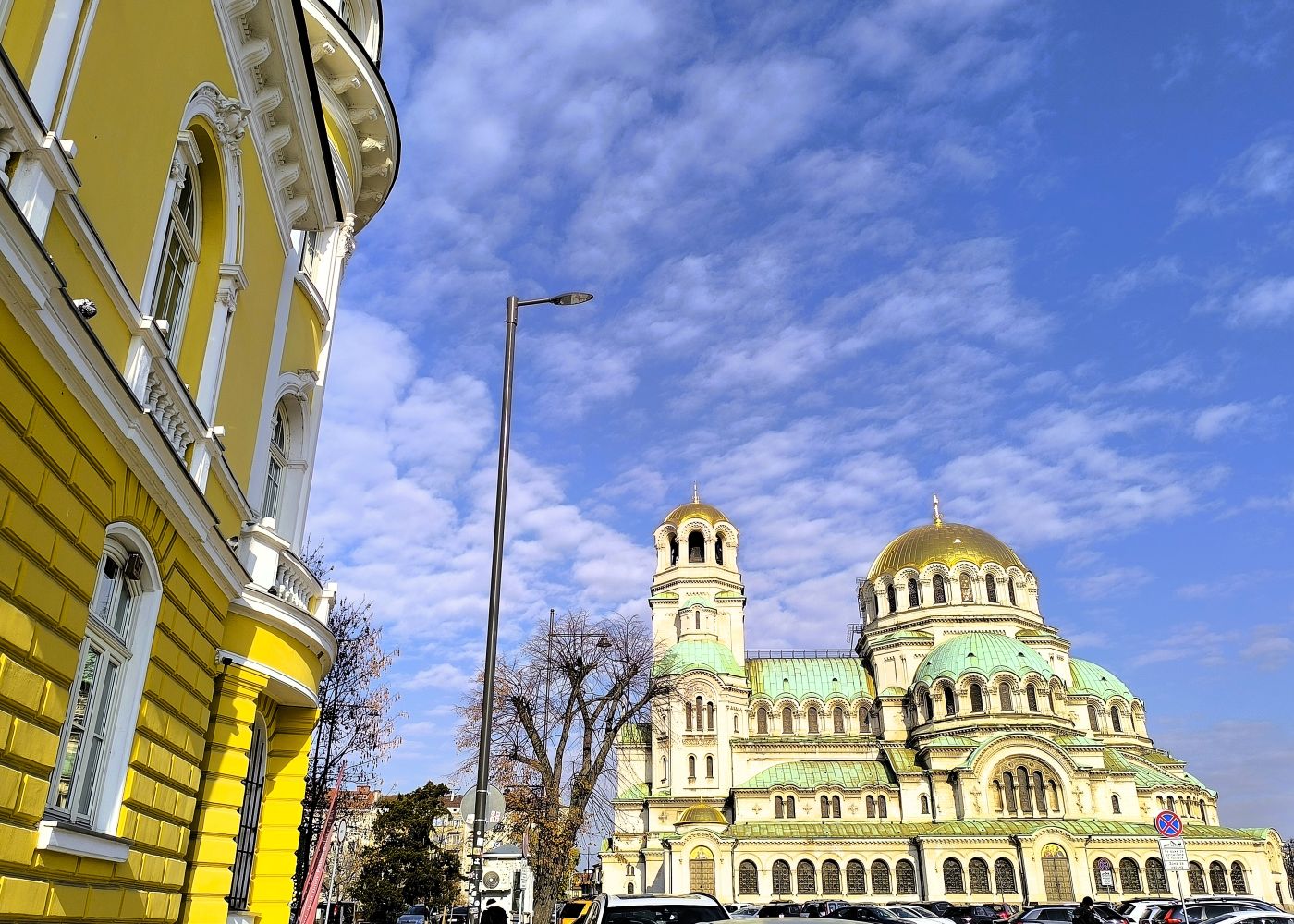
As Bulgaria prepares to adopt the euro with the transition to the single currency starting from August 8, 2025, the travel sector is facing a dilemma. Can the move undermine the country’s long-standing reputation as one of Europe’s most affordable tourist destinations ?
While the switch to the single currency brings economic and political advantages, it also raises concerns about inflation and changing perceptions among budget-conscious travelers.
They are pro and contra. The calendar to switch from the lev to the euro has however been carefully designed to avoid a price chock. The transition stretches over a four-month-and-a-half monitoring period.
Bulgaria will begin its transition to the euro on August 8, 2025, launching a phased process. It will culminate with full adoption of the single currency by December 31, 2026. Throughout this period, consumers will see prices displayed in both Bulgarian lev (BGN) and euros, as part of a nationwide effort to ease the shift and avoid confusion. Bulgaria’s Active Users Association has issued detailed guidance to help navigate the changes smoothly.
A Step-by-Step Currency Shift
From August 8 to December 31, 2025, prices in shops and on services will appear in both currencies — but payments must still be made exclusively in levs. The dual display must help consumers become familiar with euro equivalents ahead of the switch. Some exceptions such as books with already-printed prices or already installed taximeters are allowed.
The official fixed exchange rate is set at €1 = 1.95583 BGN. It means for example that something costing currently 5 BGN will appear at €2.56 (rounded from €2.556459).
Following the official adoption of the euro, a more flexible phase will follow from January 1 to January 31, 2026. During that time, both levs and euros will be accepted for payments. However, retailers will give change primarily in euros. Levs will be used only if euro change is unavailable. Importantly, mixing both currencies in change will be prohibited to avoid confusion.
From February 1, 2026, the euro becomes the sole legal tender, although dual pricing will continue through the end of 2026 to maintain price transparency during the adjustment period.

Will the euro sign the death of Bulgaria as a “value-for-money” destination?
For euro-zone tourists, Bulgaria’s accession would eliminate the hassle of currency exchange. It will make prices easily comparable to other euro countries. On the economic front, it will also boost investor confidence and underline the country’s stability.
The euro introduction does not mean necessarily an abrupt surge in prices if local business plays the game. With easier price comparison across the euro area, Bulgaria might even stand out as a “value-for-money” option, provided it maintains a price gap with Western Europe.
It is however true that past euro-zone entrants offered a cautionary tale, often based on a surge in prices — especially in restaurants, accommodation, and basic services. Even modest increases could then alter the perception of affordability.
For Bulgaria, it is a crucial selling point. The destination is in fact popular among travelers from Central and Eastern Europe and low-cost Western markets. If prices rise to quickly, Bulgaria risks to lose ground to neighboring non-euro destinations like Serbia, Turkey, or Albania.
Ultimately, Bulgaria’s low-cost appeal — a pillar of its tourism sector, will request the travel sector full attention. Both the service and travel industries need to strike the balance between economic integration and affordability. And keep the appeal of the Bulgaria tourism brand.
Related News Stories: Jet2holidays launches Bulgaria holidays deals Balkan Holidays closes down in UK Air India inks interline agreements with four airlines Discounted easyJet packages available to Tesco Clubcard holders Jet2 launching flights to fifth Canary Island Jetstar launches first flights to Hamilton, NZ Jet2 launches new Jerez, Pula flights and holidays Partner News - TravelMole Holiday Extras - TravelMole


TravelMole Editorial Team


















Vegas’s Billion-Dollar Secrets – What They Don’t Want Tourists to Know

Visit Florida’s New CEO Bryan Griffin Shares His Vision for State Tourism with Graham

Chicago’s Tourism Renaissance: Graham Interviews Kristin Reynolds of Choose Chicago

Graham Talks with Cassandra McCauley of MMGY NextFactor About the Latest Industry Research

Destination International’s Andreas Weissenborn: Research, Advocacy, and Destination Impact

Graham and Don Welsh Discuss the Success of Destinations International’s Annual Conference

Graham and CEO Andre Kiwitz on Ventura Travel’s UK Move and Recruitment for the Role

Brett Laiken and Graham Discuss Florida’s Tourism Momentum and Global Appeal

Graham and Elliot Ferguson on Positioning DC as a Cultural and Inclusive Global Destination

Graham Talks to Fraser Last About His England-to-Ireland Trek for Mental Health Awareness

Kathy Nelson Tells Graham About the Honour of Hosting the World Cup and Kansas City’s Future

Graham McKenzie on Sir Richie Richardson’s Dual Passion for Golf and His Homeland, Antigua







 ADS PRO
Higher departure tax and visa cost, e-arrival card: Japan unleashes the fiscal weapon against tourists
Euromonitor International unveils world’s top 100 city destinations for 2025
U.S.A. and Israel attacks on Iran impact air movements in the Gulf (Update 1.00pm CET)
Global tourism exceeds 1.5 billion travelers announces UN-Tourism
WTTC global tourism reached record economic impact of 11 trillion in 2025