
Capri curbs strictly the size of tour groups
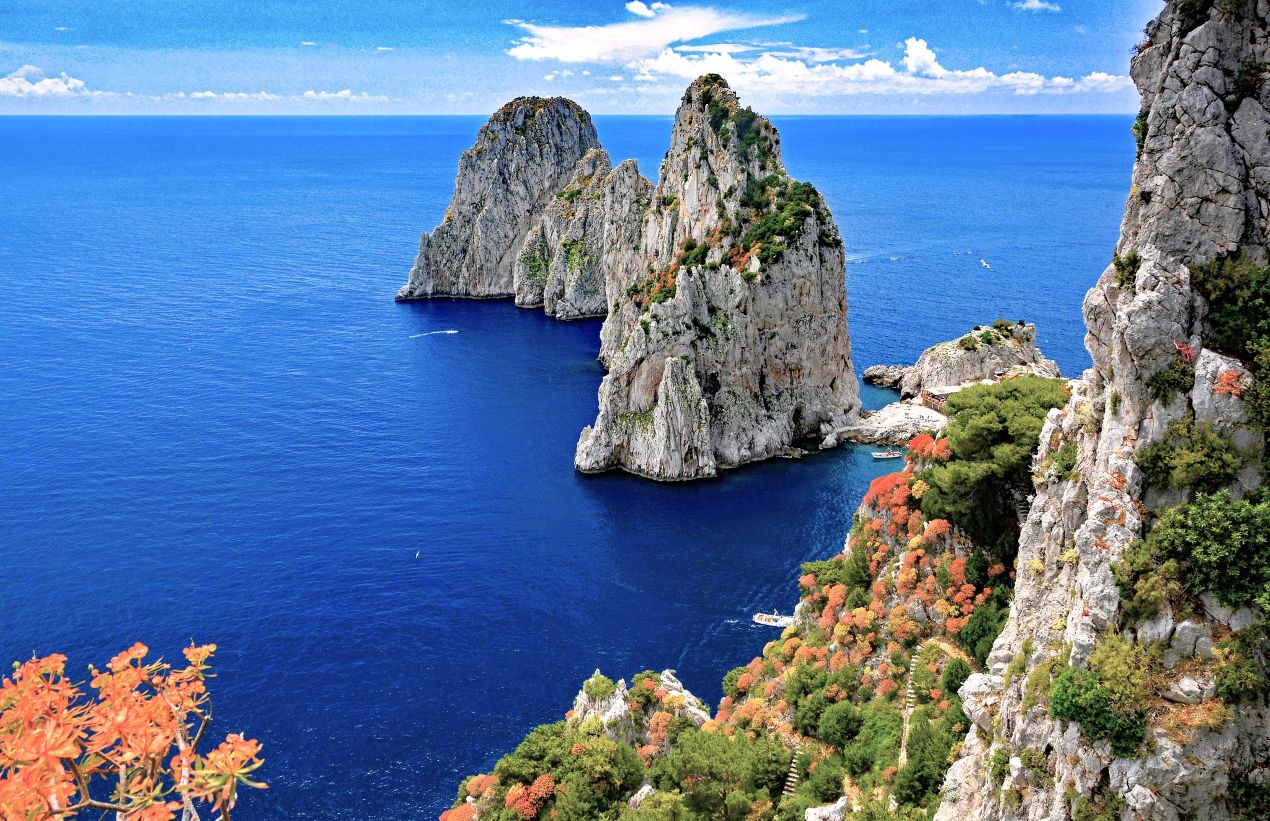
Capri, on the Gulf of Naples, Italy, is moving to rein in over-tourism for the summer 2026, introducing tighter controls on organized tour groups as the Italian island struggles to balance booming visitor demand with everyday life for residents.
Capri turned into a famed destination on the Mediterranean Sea from the 1950s and 1960s when movie stars, celebrities and royalties took their summer holidays there, attracted by its azure waters, limestone cliffs, and stunning sun sets over the Gulf of Naples. However, the boom in low-cost flights (nearby Naples airport attracted 13.27 million passengers in 2025 compared to 6.77 million in 2016) generates mounting pressure on Capri’s limited infrastructure.
The new framework, approved by the local council and expected to take effect from May 2026, directly targets congestion in Capri’s historic center, marina and transport hubs. Last year, the pictorial island saw a total of 2.7 million visitors.
No more than 40 people in groups
Visual crowd markers are also being phased out. Tour guides will no longer be allowed to use raised umbrellas, flags or poles to keep groups together, a common sight in peak season. In addition, operators must ensure groups remain compact, avoid blocking pathways and do not linger excessively at scenic viewpoints, allowing space for residents and independent visitors to move freely.


newadmin


















Vegas’s Billion-Dollar Secrets – What They Don’t Want Tourists to Know

Visit Florida’s New CEO Bryan Griffin Shares His Vision for State Tourism with Graham

Chicago’s Tourism Renaissance: Graham Interviews Kristin Reynolds of Choose Chicago

Graham Talks with Cassandra McCauley of MMGY NextFactor About the Latest Industry Research

Destination International’s Andreas Weissenborn: Research, Advocacy, and Destination Impact

Graham and Don Welsh Discuss the Success of Destinations International’s Annual Conference

Graham and CEO Andre Kiwitz on Ventura Travel’s UK Move and Recruitment for the Role

Brett Laiken and Graham Discuss Florida’s Tourism Momentum and Global Appeal

Graham and Elliot Ferguson on Positioning DC as a Cultural and Inclusive Global Destination

Graham Talks to Fraser Last About His England-to-Ireland Trek for Mental Health Awareness

Kathy Nelson Tells Graham About the Honour of Hosting the World Cup and Kansas City’s Future

Graham McKenzie on Sir Richie Richardson’s Dual Passion for Golf and His Homeland, Antigua







 ADS PRO
Global tourism exceeds 1.5 billion travelers announces UN-Tourism
Qatar Airways offers reduced timetable to over 60 destinations
WTTC global tourism reached record economic impact of 11 trillion in 2025
Marginal increase for New York City tourism in 2025
Hands In, UATP join forces for airline multi-card payments