
Cuba tourism agonizing as fuel shortages shut hotels and flights
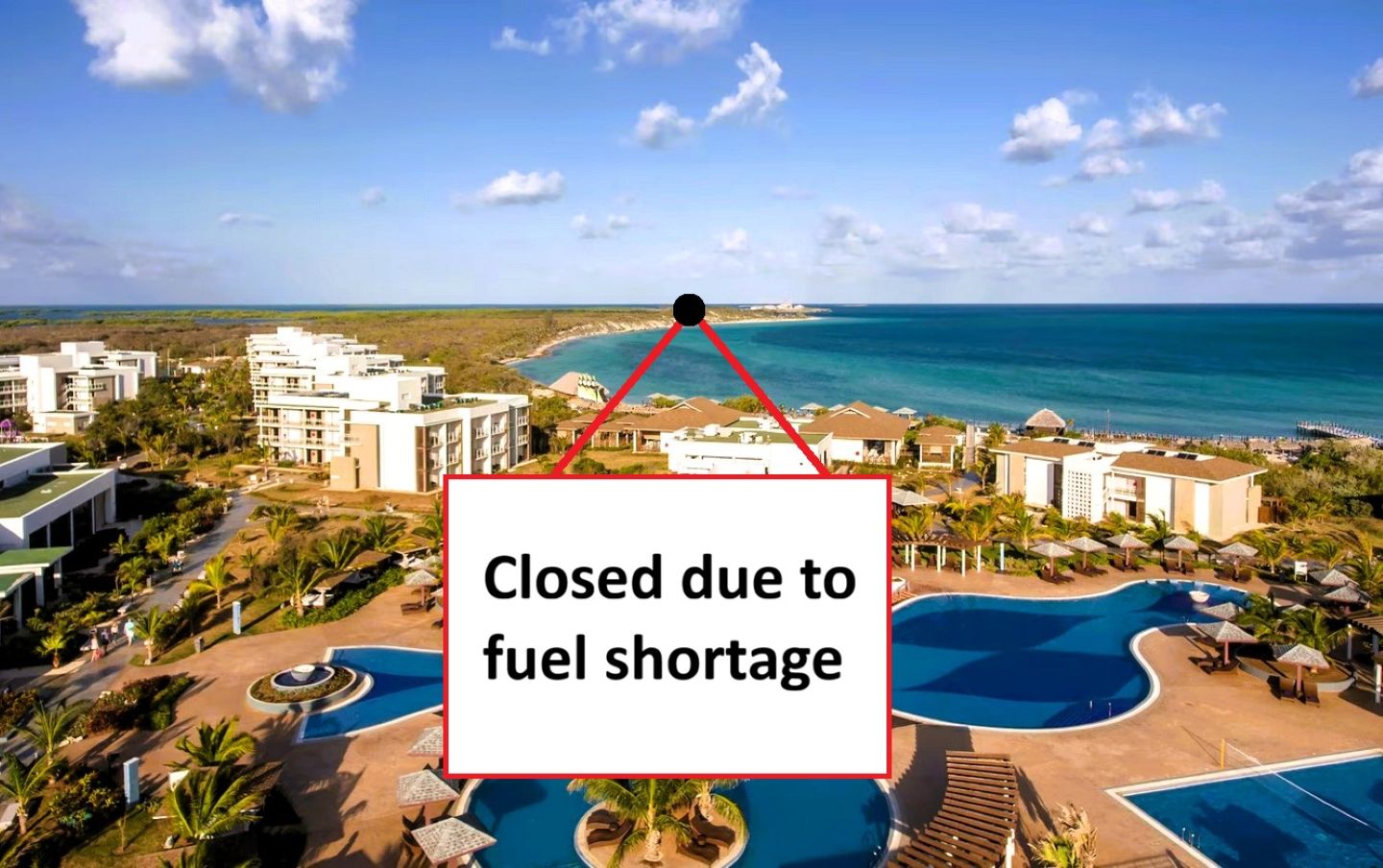
Cuba’s tourism industry — once a critical source of foreign currency — is facing an unprecedented downturn as a severe fuel and energy shortage disrupts flights, hotel operations, and visitor arrivals.
Flights Grounded, Arrivals Plunge
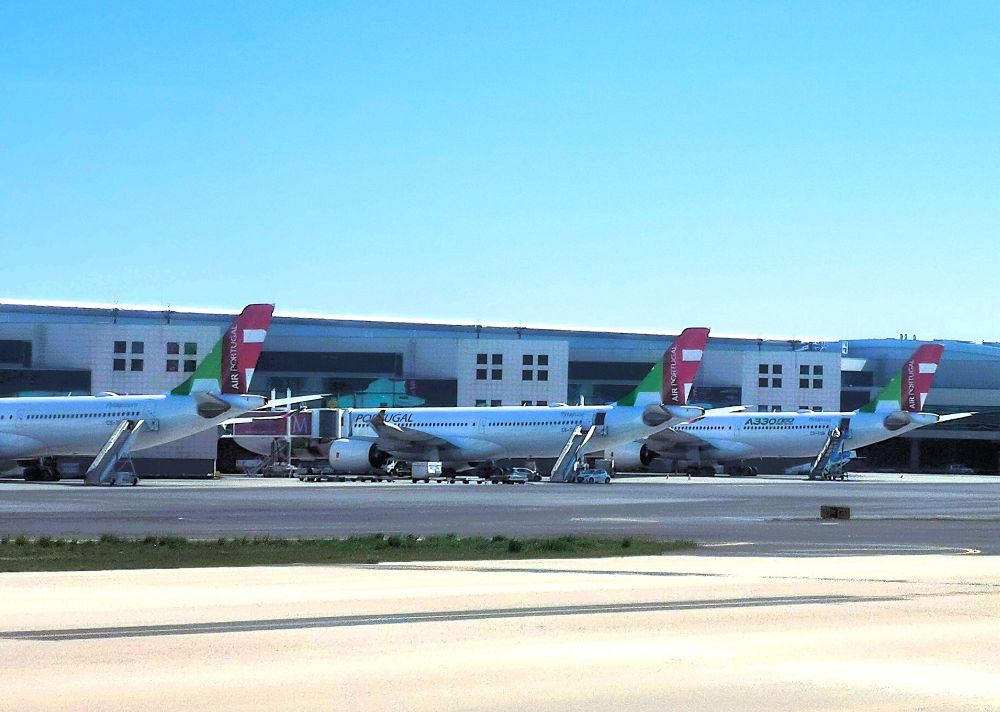
The island’s aviation sector has been hit hard after authorities warned in early February that aviation fuel stocks were exhausted. Airlines have suspended or drastically altered services, with some carriers halting flights entirely such as Canadian and Russian ones. Even those still operating face higher costs and logistical challenges due to rerouting or additional fuel requirements. All Western European carriers are now making a stop-over at neighboring airports.
Travelers already in Cuba have faced cancellations, delays, and uncertainty about return flights, underscoring the widespread operational impact. Canadian carriers responded by organizing repatriation air services.
The disruptions have emptied airports and driven international arrivals sharply down, striking a sector that contributes significantly to Cuba’s GDP. Looking at data, Cuba welcomed last year only 1.8 million international visitors while the average hotel occupancy reaching 21.5% in the first half of 2025. By comparison, the island recorded 4.2 million international visitors in 2019, the last year before Covid. First estimations for 2026 speak of a 70% decrease in international arrivals for January and February.
Hotels Shut Doors
As flight capacity shrinks and energy shortages deepen, hotel closures are accelerating across the island. International operators are consolidating services to manage limited power and fuel resources.
Spanish chain Meliá has reduced operations, closing multiple properties, while Iberostar and Valentin Hotels have confirmed temporary shutdowns at select flagship resorts, including Cayo Santa María and Cayo Coco locations. In total, newspapers talk about 15 resorts and hotels being closed by February 10.
Resort areas that were once bustling, such as Varadero and the northern cays, now are left with empty pools, closed restaurants, and reduced staff, as hotels concentrate guests in fewer operational properties.
Widening Energy Crisis
The tourism collapse is symptomatic of a broader energy emergency affecting transport, healthcare, and supply chains. Oil supply declines and restricted access to imports have intensified blackouts and halted public transport, leaving Cuba unable to maintain normal economic activity or support its key tourism sector.
Governments worldwide have consequently issued travel advisories, warning visitors of transport disruptions, blackouts, and limited services. Most countries now advise to visit Cuba only if strictly necessary.
For operators and investors, the situation underscores how Cuba’s tourism recovery is inextricably linked to broader energy, economic, and geopolitical stability.
The scale and duration of the crisis is precipitating Cuba on the brink of a complete collapse, while few countries dare to help the island by fear of U.S. sanctions against them…


newadmin




















Vegas’s Billion-Dollar Secrets – What They Don’t Want Tourists to Know

Visit Florida’s New CEO Bryan Griffin Shares His Vision for State Tourism with Graham

Chicago’s Tourism Renaissance: Graham Interviews Kristin Reynolds of Choose Chicago

Graham Talks with Cassandra McCauley of MMGY NextFactor About the Latest Industry Research

Destination International’s Andreas Weissenborn: Research, Advocacy, and Destination Impact

Graham and Don Welsh Discuss the Success of Destinations International’s Annual Conference

Graham and CEO Andre Kiwitz on Ventura Travel’s UK Move and Recruitment for the Role

Brett Laiken and Graham Discuss Florida’s Tourism Momentum and Global Appeal

Graham and Elliot Ferguson on Positioning DC as a Cultural and Inclusive Global Destination

Graham Talks to Fraser Last About His England-to-Ireland Trek for Mental Health Awareness

Kathy Nelson Tells Graham About the Honour of Hosting the World Cup and Kansas City’s Future

Graham McKenzie on Sir Richie Richardson’s Dual Passion for Golf and His Homeland, Antigua







 ADS PRO
Phocuswright reveals the world's largest travel markets in volume in 2025
Higher departure tax and visa cost, e-arrival card: Japan unleashes the fiscal weapon against tourists
Cyclone in Sri Lanka had limited effect on tourism in contrary to media reports
Singapore to forbid entry to undesirable travelers with new no-boarding directive
Euromonitor International unveils world’s top 100 city destinations for 2025