
Snow, ice and extreme cold disrupt travel in large parts of Europe
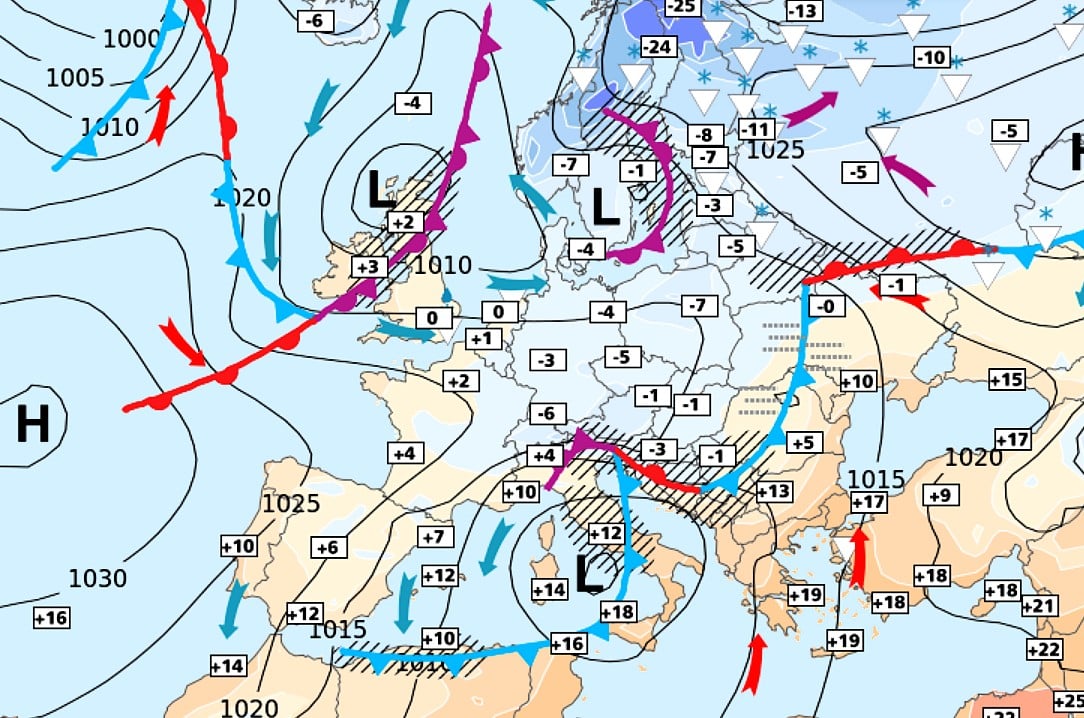
Freezing temperatures and heavy snowfall tightened their grip on much of Europe this week. It disrupts air, rail and road travel from Scandinavia to southern Spain, as an Arctic air mass pushed far beyond its usual reach.
Airports were among the hardest hit. More than 400 flights on Monday and Tuesday were canceled at Amsterdam’s Schiphol Airport, already struggling with several days of snow-related disruption. In Paris, authorities preemptively grounded around half of Wednesday morning’s departures at Charles de Gaulle to allow crews time to clear runways and de-ice aircraft. Eurostar services linking Amsterdam, Paris and London were also canceled or delayed, compounding cross-border travel difficulties.
On the roads, the impact was deadly in places. French media reported at least five deaths in traffic accidents linked to icy conditions, prompting Transport Minister to urge residents to limit travel and work from home where possible. Snow blanketed Paris for several consecutive days, leaving the capital coated in white well into the week.
Belgium was no exception. The country has been caught in the chill, with snow and freezing rain creating hazardous driving conditions nationwide. Weather authorities issued winter warnings through mid-week, cautioning motorists about black ice and slippery roads, particularly during overnight and early morning hours.
Germany also saw widespread snowfall, from Hamburg in the north to Stuttgart in the south, though disruption there was comparatively limited. Still, icy roads caused numerous accidents, and thousands of households in southwest Berlin remained without power or heating following a weekend sabotage attack on electricity cables — a hardship intensified by the bitter cold.
Arctic conditions in the UK and across Scandinavia
In the UK, winter hazards persisted for a second week. Schools across much of Scotland closed for a second consecutive day after overnight temperatures plunged well below freezing. In England, canals froze in parts of London, while Norfolk recorded overnight lows of minus 12.5 degrees Celsius, the coldest temperature in the country so far this winter. Hundreds of flight cancellations and delays were reported at major airports. It included Heathrow, Gatwick, Stansted, Manchester, Glasgow, Edinburgh and Aberdeen. Liverpool Airport was forced to temporarily close its runway due to accumulated snow and ice before later reopening.
Farther north, Scandinavia bore the brunt of the cold wave. Parts of northern Sweden and Finland reported temperatures plunging below minus 30 degrees Celsius, with heavy snowfall and severe frost disrupting daily life. Meteorologists said the deep freeze was driven by a persistent Arctic weather pattern funneling polar air southward across Europe.
Even southern Europe was not spared. Snow fell in central Madrid — a rare sight — as Spain’s royal family attended a military parade at the Royal Palace, underscoring the unusual reach of the cold snap.
Forecasters say frigid conditions are likely to persist across much of northern and western Europe through early Thursday, with sub-zero nights and continued risk of snow and ice. Slightly milder air to arrive later in the week from the Atlantic should bring some relief and help normalizing the situation.


newadmin





















Vegas’s Billion-Dollar Secrets – What They Don’t Want Tourists to Know

Visit Florida’s New CEO Bryan Griffin Shares His Vision for State Tourism with Graham

Chicago’s Tourism Renaissance: Graham Interviews Kristin Reynolds of Choose Chicago

Graham Talks with Cassandra McCauley of MMGY NextFactor About the Latest Industry Research

Destination International’s Andreas Weissenborn: Research, Advocacy, and Destination Impact

Graham and Don Welsh Discuss the Success of Destinations International’s Annual Conference

Graham and CEO Andre Kiwitz on Ventura Travel’s UK Move and Recruitment for the Role

Brett Laiken and Graham Discuss Florida’s Tourism Momentum and Global Appeal

Graham and Elliot Ferguson on Positioning DC as a Cultural and Inclusive Global Destination

Graham Talks to Fraser Last About His England-to-Ireland Trek for Mental Health Awareness

Kathy Nelson Tells Graham About the Honour of Hosting the World Cup and Kansas City’s Future

Graham McKenzie on Sir Richie Richardson’s Dual Passion for Golf and His Homeland, Antigua







 ADS PRO
Higher departure tax and visa cost, e-arrival card: Japan unleashes the fiscal weapon against tourists
Singapore to forbid entry to undesirable travelers with new no-boarding directive
Euromonitor International unveils world’s top 100 city destinations for 2025
U.S.A. and Israel attacks on Iran impact air movements in the Gulf (Update 1.00pm CET)
Global tourism exceeds 1.5 billion travelers announces UN-Tourism