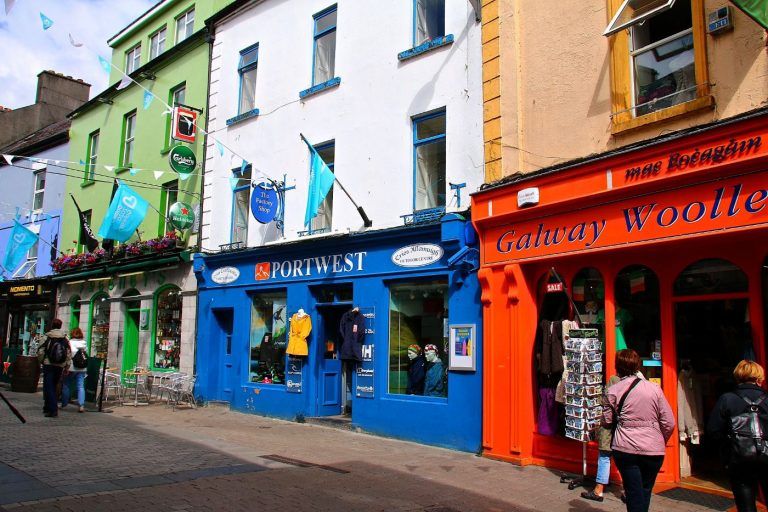
Galway is weighing a new visitor levy as the Irish city looks to reinvest in tourism infrastructure while managing continued high demand. Set along Ireland’s Atlantic coast, Galway remains one of the country’s most visited urban destinations, known for its medieval streets, colorful facades and strong cultural identity.
Local authorities are now considering a modest overnight tax on hotel and short-term rental stays, likely in the range of $1 to $2 per person, per night. The measure could raise more than $2.1 million annually for reinvestment in services linked to tourism.
The proposal comes as visitor numbers remain robust. Latest available data indicates Galway welcomed around 2.4 million total visitors in 2024—comprising roughly one million international arrivals and 1.4 million domestic trips. This makes the city one of the top five most visited destinations in Ireland. In the Republic of Ireland, Galway is even the second most popular destination after Dublin and ahead of Cork.
Based on current trends and national tourism performance through 2025, overall volumes are understood to have remained broadly stable, keeping total arrivals in Galway at approximately the same level—around 2.3 to 2.5 million visitors in 2025.
Tourism continues to generate significant economic impact, with visitor spending exceeding $1 billion annually in the city, reinforcing the need for sustained investment in infrastructure and public services.
City officials argue the proposed levy reflects common practice across Europe, where small nightly visitor taxes are widely accepted. However, the measure would still require approval from Ireland’s national government before implementation.
The plan has sparked mixed reactions locally. Some stakeholders caution that fluctuating visitor numbers could make revenues unpredictable, while others fear the tax could undermine Galway’s competitiveness or send the wrong signal to travelers.
Even so, the debate highlights a broader shift in strategy for high-demand destinations. Meanwhile, the levy is still at proposal stage, waiting for the Irish government definitive approval, meaning the city cannot implement it independently.