
Holiday fraud cases down for first time in six years
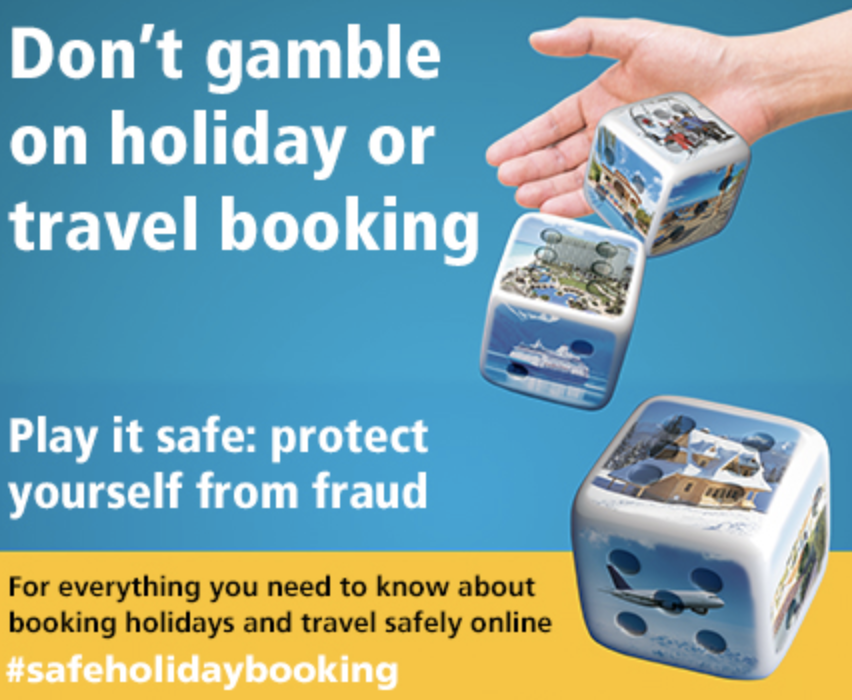
The number of cases of holiday fraud in the UK has dropped for the first time in six years.
According to the latest figures, fraudsters stole £6.7 million from 4,700 unsuspecting holidaymakers and other travellers in 2017.
In 2016 there were 5,826 cases and the total amount stolen was £7.2 million.
The latest figures were released today in a report by ABTA, the City of London Police and Get Safe Online who are once again joining forces to warn the public about the dangers posed by holiday booking fraud.
The campaign partners believe the actual figure is much higher, with many victims not realising they should always report the fraud to the police.
Although the number of cases has dropped, the average amount lost per person was over £1,500, an increase of 25% year on year.
Almost half (2,245) of victims say the fraud also had had a significant impact on their health or financial well-being.
More worryingly, 575 people said the impact was so severe they had to receive medical treatment or were at risk of bankruptcy.
The most common types of fraud relate to the sale of airline tickets (47%) and accommodation booking (38%).
The visiting friends and family market is particularly attractive to fraudsters offering fake flight tickets and package arrangements, said the report.
Fraudsters may also be targeting individuals travelling home to visit family in time for public or religious holidays.
Where destinations were reported by victims, 54% said they had been intending to travel to Africa and 24% to Asia.
ABTA chief executive Mark Tanzer said: "ABTA sees at first-hand the damage caused by travel fraudsters with the many devastated customers who contact us for advice after they find out their much anticipated holiday or trip to visit loved ones may not actually exist.
"The cost to them is not just financial; this crime causes very real disappointment and emotional distress. However this does not need to happen."
Agents who want to share advice with their clients on how to stay safe should click here.


Bev
Editor in chief Bev Fearis has been a travel journalist for 25 years. She started her career at Travel Weekly, where she became deputy news editor, before joining Business Traveller as deputy editor and launching the magazine’s website. She has also written travel features, news and expert comment for the Guardian, Observer, Times, Telegraph, Boundless and other consumer titles and was named one of the top 50 UK travel journalists by the Press Gazette.




















Vegas’s Billion-Dollar Secrets – What They Don’t Want Tourists to Know

Visit Florida’s New CEO Bryan Griffin Shares His Vision for State Tourism with Graham

Chicago’s Tourism Renaissance: Graham Interviews Kristin Reynolds of Choose Chicago

Graham Talks with Cassandra McCauley of MMGY NextFactor About the Latest Industry Research

Destination International’s Andreas Weissenborn: Research, Advocacy, and Destination Impact

Graham and Don Welsh Discuss the Success of Destinations International’s Annual Conference

Graham and CEO Andre Kiwitz on Ventura Travel’s UK Move and Recruitment for the Role

Brett Laiken and Graham Discuss Florida’s Tourism Momentum and Global Appeal

Graham and Elliot Ferguson on Positioning DC as a Cultural and Inclusive Global Destination

Graham Talks to Fraser Last About His England-to-Ireland Trek for Mental Health Awareness

Kathy Nelson Tells Graham About the Honour of Hosting the World Cup and Kansas City’s Future

Graham McKenzie on Sir Richie Richardson’s Dual Passion for Golf and His Homeland, Antigua







 ADS PRO
Global tourism exceeds 1.5 billion travelers announces UN-Tourism
Qatar Airways offers reduced timetable to over 60 destinations
WTTC global tourism reached record economic impact of 11 trillion in 2025
Hands In, UATP join forces for airline multi-card payments
Suspension of all regional trains in Catalonia following two new rail accidents in Spain