The defeat of former Hungary Prime Minister Viktor Orbán, an authoritarian and anti-democracy figure as well as a staunch ally of Russia will certainly bring positive changes in the country image. The arrival of the populist but more liberal Péter Magyar at the head of the government will bring benefits to tourism as well.
Hungary’s tourism was so far doing very well. In 2025, the sector hit a new all-time high, with more than 20 million guests staying in accommodations nationwide. It underscored the country’s strong appeal across both international and domestic markets. The new political chapter could further accelerate growth.
Tourism strong dynamic… despite Orbán
According to the Hungarian Tourism Agency, international arrivals rose by 12% year-over-year. This is nearly two and a half times the European Union average. Key source markets include Germany, Romania, Poland, the UK, and the Czech Republic. At the same time, domestic tourism remained a major pillar. Nationwide, guest nights climbed to nearly 49 million, up from 46.6 million in 2024.
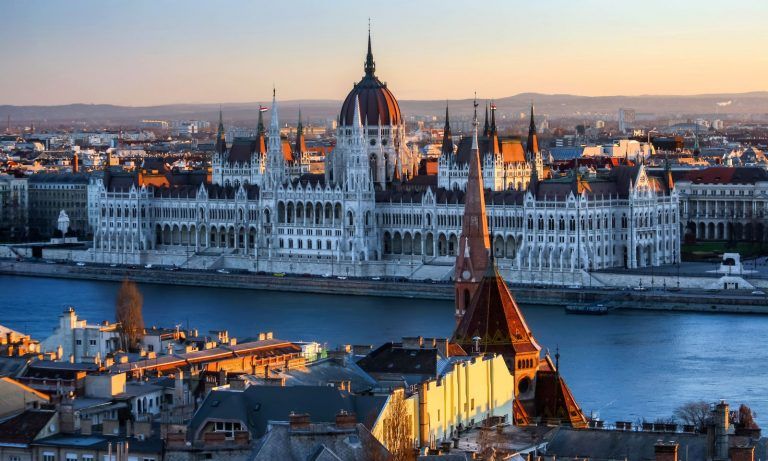
The capital, Budapest, continued to dominate tourism. It welcomed more than 8.1 million visitors in 2025, generating around 18.5 million overnight stays. Guest numbers rose 13% compared with 2024, while overnight stays increased by nearly 10%.
Beyond the capital, regional destinations also performed strongly. Siófok led countryside overnight stays, followed by Hévíz and Hajdúszoboszló, driven by sustained demand for wellness tourism. Lake Balaton attracted around 3.4 million visitors, up 3% year-over-year, with ferry and boat traffic reaching levels not seen in decades.
Tourism’s economic footprint also expanded. The sector accounted for more than 14% of GDP and nearly 10% of central government revenues, supported by over 21,000 projects funded through Hungary’s own tourism development program.
Political shift could unlock next phase of growth
Hungary’s strong tourism fundamentals now coincide with a significant political transition following the election of Péter Magyar, replacing long-time leader Viktor Orbán.
The new government is expected to reset relations with the European Union and Western partners, focusing on rule of law, transparency, and cooperation. For tourism, perception matters.
A Hungary seen as more democratic, politically stable, and aligned with EU values is likely to become even more attractive to international travelers, particularly from Western Europe. The most obvious change would be LGBTQ tourism which could find in Hungary a new attractive destination -if the upcoming government reverts the former anti-LGBTQ rhetoric of Viktor Orbán.
One of the most immediate opportunities lies in the potential release of more than €6 billion in previously frozen EU funds. If unlocked, this funding could directly support tourism through infrastructure upgrades, including airports, rail, and roads, alongside urban regeneration and restoration of cultural and heritage sites.
Crucially, Hungary does not need a turnaround: it is already booming. Record visitor numbers, strong air connectivity, and sustained demand for city breaks in Budapest provide a solid base. A more favorable political climate could accelerate growth rather than create it.
Investor sentiment is also expected to improve. Markets are anticipating anti-corruption reforms, economic stabilization, and closer EU integration. For the tourism sector, this could mean increased hotel development, renewed interest from international hospitality brands, and higher levels of foreign direct investment.
At the same time, a shift in narrative, from an “illiberal state” to a reform-oriented EU partner, could enhance Hungary’s global image, strengthen destination marketing, and help attract higher-spending visitors.
However, the impact will not be immediate. Reforms will take time to implement, EU funding depends on verified progress, and institutional resistance could slow the pace of change. How quickly political promises turn into tangible changes will likely speed the growth of Hungary’s tourism.