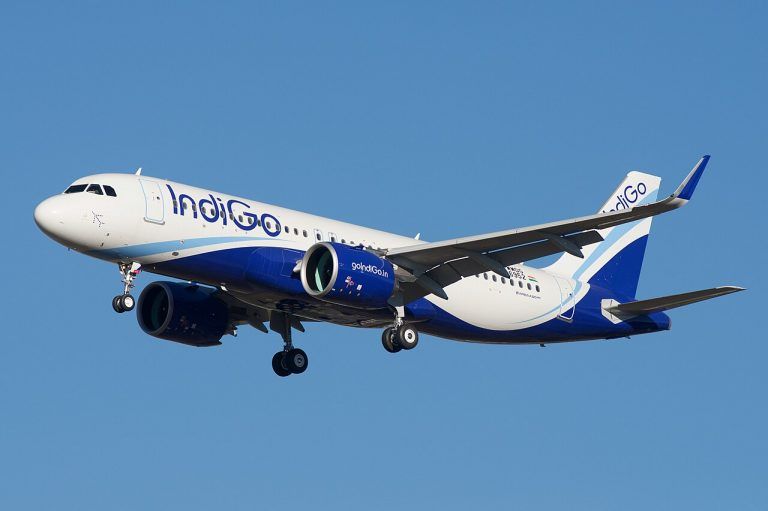
India’s largest airline, IndiGo, is making significant cuts to its international network during the third quarter of 2026, reducing frequencies on several routes and suspending service on others as it adjusts capacity across Asia, the Middle East and Europe.
According to schedule filings first reported by aviation data specialist AeroRoutes, the low-cost carrier has removed or reduced flights on at least 18 international routes between July and September 2026. The changes have now been reflected in both global distribution systems and IndiGo’s own booking platform.
The reductions affect a broad mix of leisure and business destinations, with Southeast Asia among the hardest-hit regions.
Several routes will be suspended entirely for the summer season. These include Bangalore–Langkawi, Delhi–Hong Kong, Delhi–Krabi, Kolkata–Ho Chi Minh City, Kolkata–Shanghai, Kolkata–Siem Reap, Kolkata–Singapore, and the Delhi–Denpasar (Bali) service.
Other routes will see notable frequency reductions, affecting particularly Singapore and Thailand. To Singapore, IndiGo reduces frequencies from Bangalore, Hyderabad and Tiruchchirappalli. To Thailand, indiGo is trimming capacity on Hyderabad–Bangkok and Mumbai-Bangkok. To Phuket, the airline reduces services from Bangalore, Delhi and Kolkata. The airline is additionally scaling back service from Chennai to Penang and Reunion Island.
Beyond Asia, IndiGo has confirmed plans to exit the UK city of Manchester. Flights from both Delhi and Mumbai to Manchester will cease from September 1, 2026. The Delhi–Manchester route currently operates three times weekly, while Mumbai–Manchester is served four times weekly.
The network adjustments come as airlines across the region continue to fine-tune capacity in response to changing demand patterns, fleet deployment priorities and ongoing operational challenges such as oil prices and depressing economic conditions affecting international markets.