
Interview : Olivier Monceau, General Manager, Club Med Singapore & Malaysia markets
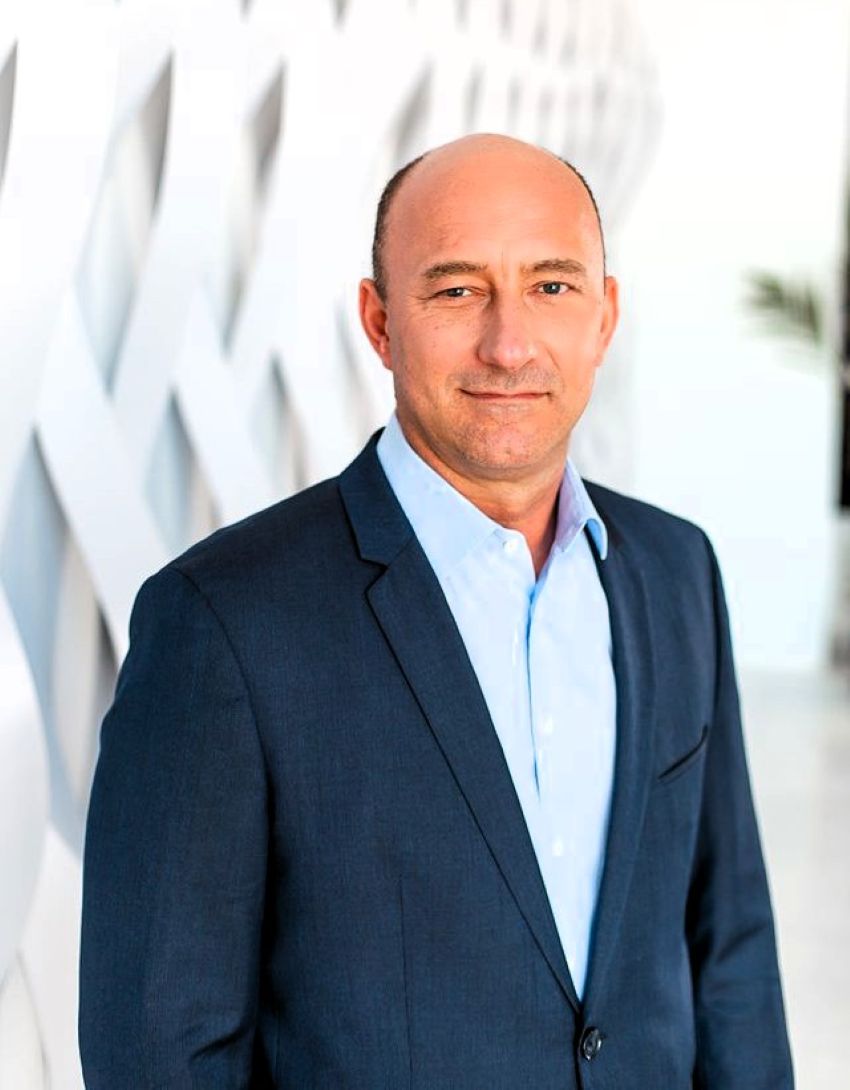
The opening of the Club Med Borneo next November provides an opportunity to talk with Olivier Monceau, General Manager, Club Med Singapore and Malaysia markets about the value that the new club is bringing to Club Med in terms of image, experience and sustainability.
Why did Club Med choose Sabah, rather than more established destinations in Southeast Asia? Is Malaysia the most conducive market in the region for investments?
Olivier Monceau – Club Med has always been driven by a pioneer spirit, looking beyond established destinations to places where nature, culture and authentic experiences come together to create something memorable. Sabah fits this vision perfectly.
The region offers an exceptional concentration of natural and cultural richness, from rainforests more than 130 million years old to unique wildlife habitats in the Klias wetlands and world-class marine environments such as Sipadan. This biodiversity is complemented by a diverse cultural landscape that adds depth to the travel experience.
Malaysia has long been an important destination for Club Med, with its Cherating resort welcoming guests since 1979 and remaining one of the brand’s most iconic nature resorts, as well as its first sun resort in Asia. The country benefits from strong tourism infrastructure, good international accessibility and a clear long-term tourism strategy. For Club Med, Sabah represents a natural next step in Malaysia’s tourism development and aligns closely with its positioning as a premium all-inclusive lifestyle brand.
How will Club Med Borneo differ from existing Club Med properties in Asia and globally, both in terms of construction and overall product offering?
Olivier Monceau – From a development perspective, Club Med Borneo is the brand’s first greenfield sun resort built in more than two decades, aside from Finolhu Villas. It has been designed from the outset to integrate seamlessly with its natural surroundings and reflect Sabah’s identity.
Architecturally, the resort draws inspiration from local heritage, with the main arrival pavilion influenced by traditional Rumah Rungus longhouses. Throughout the property, guests will encounter local materials, patterns and color palettes inspired by Borneo’s landscapes and sunsets.
The experience itself is deeply rooted in nature and culture. Guests can explore Sabah through activities such as a Golden Hour mangrove cruise to observe proboscis monkeys, hornbills and fireflies, or take part in a weekly sunset ritual celebrating Borneo’s dramatic skies. At the same time, the resort maintains Club Med’s signature offering, including sports schools with professional instructors, family programs, international cuisine and a convivial atmosphere shaped by multicultural teams. All define the resort’s uniqueness.
What are the key sustainability criteria for the project?
Olivier Monceau – Sustainability has been embedded in the project from the earliest stages. Club Med Borneo is being developed to meet BREEAM standards, one of the world’s leading sustainability certification systems, recognizing strict environmental and construction criteria.
Beyond construction, the resort will follow strong operational sustainability practices and aims to achieve Green Globe certification once open. This framework includes extensive criteria covering environmental management, social responsibility, cultural heritage and sustainable operations.
The project also emphasizes positive local impact, with more than 350 jobs expected to be created, contributing to economic development while promoting Sabah’s heritage globally. In addition, the resort will implement Club Med’s Happy to Care program, focusing on water management, waste reduction, team engagement and guest awareness of local nature and culture.
Does the Sabah property signal a broader strategic focus on Asia ?
Olivier Monceau – Asia has long been a key growth region for Club Med, with Southeast Asia offering strong potential for experiential travel.
Club Med already operates in destinations such as Bali, Phuket, Cherating, Bintan, the Maldives, Kabira in Japan and Hokkaido. With Club Med Borneo, the company is expanding its regional footprint while introducing a new destination to its global audience. Looking ahead, the group sees further opportunities across Southeast Asia, with projects like Manado, Indonesia, reflecting its ambition to grow in locations that offer exceptional nature and meaningful travel experiences.
Does the current oil situation impact the opening timeline or create any uncertainties ?
Olivier Monceau – While the global energy situation is being closely monitored, the opening of Club Med Borneo remains on schedule, with the first guests expected in November 2026.
Club Med’s expansion strategy is based on a long-term asset-light, premium model designed to absorb market volatility. Its diversified customer base also reduces reliance on any single market, supporting resilience even during challenging periods.
Operationally, the group continues to prioritize energy efficiency and eco-certification. Overall, the company remains confident in Sabah’s long-term appeal and is looking to introducing the destination to its global community of travelers.
Related News Stories: Villa and ski chalet rental firm Eterniti secures €30 million in new ... Lelystad Airport opening marks long-awaited shift in Dutch aviation.


newadmin



















Vegas’s Billion-Dollar Secrets – What They Don’t Want Tourists to Know

Visit Florida’s New CEO Bryan Griffin Shares His Vision for State Tourism with Graham

Chicago’s Tourism Renaissance: Graham Interviews Kristin Reynolds of Choose Chicago

Graham Talks with Cassandra McCauley of MMGY NextFactor About the Latest Industry Research

Destination International’s Andreas Weissenborn: Research, Advocacy, and Destination Impact

Graham and Don Welsh Discuss the Success of Destinations International’s Annual Conference

Graham and CEO Andre Kiwitz on Ventura Travel’s UK Move and Recruitment for the Role

Brett Laiken and Graham Discuss Florida’s Tourism Momentum and Global Appeal

Graham and Elliot Ferguson on Positioning DC as a Cultural and Inclusive Global Destination

Graham Talks to Fraser Last About His England-to-Ireland Trek for Mental Health Awareness

Kathy Nelson Tells Graham About the Honour of Hosting the World Cup and Kansas City’s Future

Graham McKenzie on Sir Richie Richardson’s Dual Passion for Golf and His Homeland, Antigua







 ADS PRO
Global tourism exceeds 1.5 billion travelers announces UN-Tourism
Qatar Airways offers reduced timetable to over 60 destinations
WTTC global tourism reached record economic impact of 11 trillion in 2025
Marginal increase for New York City tourism in 2025
Hands In, UATP join forces for airline multi-card payments