
“Peru’s bold new vision for tourism: Regeneration, adventure, and community”- An interview with Erick Garcia Gonzalez
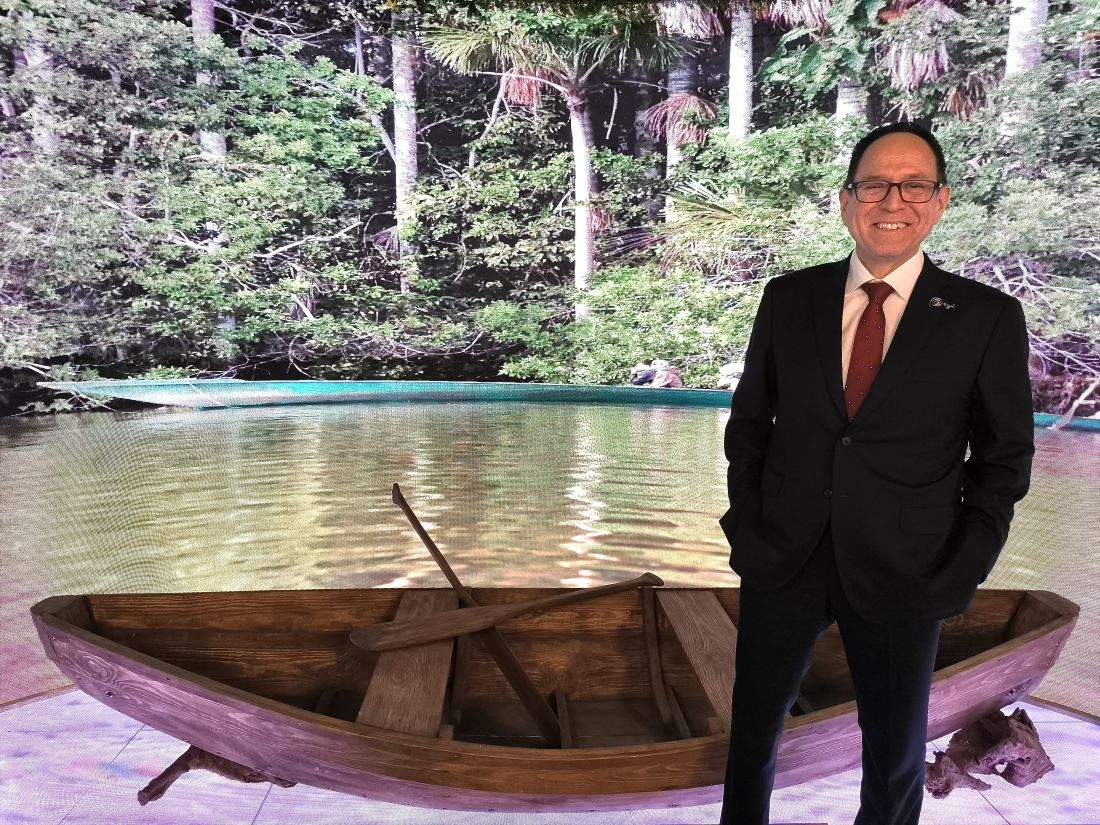
Get ready for a fresh take on travel! In this exclusive interview during ITB Berlin 2026, Erick Garcia Gonzalez, Director of PROMPERU in Germany, reveals how Peru is reshaping its tourism sector for a sustainable and thrilling future. With an emphasis on regenerative tourism, vibrant adventure experiences, and deep-rooted cultural connections, Garcia Gonzalez shares how Peru is not just recovering post-COVID but is innovating to offer travelers something truly transformative. new global standards!
Could you share some figures for 2025? How did the year perform, and what are your main markets?
Erick Garcia Gonzalez – We are still in the recovery phase after COVID-19, but the trend is positive. Visitor numbers increased by around 8–10% annually. In the meantime, we are still approximately 10–15% below our 2019 levels. That said, we are clearly on track toward full recovery.
Our most important long-haul inbound market is the United States, which ranks number one. In addition, neighboring countries are very significant for us. Travelers from Chile, Argentina or Ecuador frequently visit Peru, often for short trips. For example, many Chileans travel to Peru for a gastronomy weekend. Brazil is also important but less than other countries on the continent. Distances play there a role and they can be considerable! As an example, São Paulo to Lima is about a seven-hour flight.
How about Europe? Is Spain your number one European market?
Erick Garcia Gonzalez – Yes, Spain is our leading European market. The shared language makes travel easy, and there are strong business and cultural ties. Spain also has a large number of Peruvian restaurants—around 115 in Madrid alone—which helps promote our cuisine and culture. After Spain, France ranks second, followed by Germany in third place. Germany is therefore a key European market for us.
What are your forecasts for 2026?
Erick Garcia Gonzalez – Our goal is to achieve full recovery this year and close the remaining gap to 2019 levels. It is ambitious, but we believe it is achievable. We also see potential growth from Europe, possibly outperforming other destinations.
What are you highlighting this year at ITB Berlin?
Erick Garcia Gonzalez – This year, we are presenting a different image of Peru. Of course, we still have the Andes and iconic sites like Machu Picchu, but our focus is shifting. We are highlighting youth travel, adventure, nature, and especially community-based tourism.
We want to showcase everyday culture—the authentic, day-to-day life in communities. Visitors can see how people live, what they eat, and how traditions are maintained. It goes beyond the classic Instagram image. We describe this approach as regenerative tourism.
Could you be more specific about the meaning of ” regenerative tourism” for Peru?
Erick Garcia Gonzalez – It means that communities are better off after tourism than before. Through interaction with visitors, they strengthen their cultural identity and gain economic benefits. Tourism becomes an active exchange between locals and travelers.
On the environmental side, some projects help restore wildlife populations. For example, in certain coastal areas, communities work with visitors to protect and regenerate turtle populations. Tourism revenue supports conservation efforts and increases awareness.
Are you organizing special activities during ITB Berlin?
Erick Garcia Gonzalez – We are participating in two panels—one on community tourism and another on adventure tourism. We are also involved in the Green and Blue Tourism Forum and a “Travel That Creates Change” session.
At our stand, we are hosting show cooking sessions, coffee and pisco workshops, and a networking event featuring Peruvian cuisine such as ceviche and Amazon-style fried rice.
How is Peru implementing sustainability at a regulatory level?
Erick Garcia Gonzalez – Since last year, Peru has introduced new regulations promoting community-based and sustainable tourism. The entire tourism value chain must now include sustainability measures and community involvement. This ensures better income distribution and environmental protection.
At PROMPERU, we only work with tour operators who comply with these requirements. If they do not meet the standards, they cannot participate in our official promotions.
Can you give an example of a sustainable destination in Peru?
Erick Garcia Gonzalez – In several regions, all tourism activities are community-based. Visitors work directly with local people, and conservation projects—such as turtle protection in lagoon areas—are integrated into the experience. Tourist participation actively supports regeneration efforts.
Q: How is Peru adapting to climate change?
Erick Garcia Gonzalez – Climate change is visible, especially in the Andes, where glaciers are retreating. Our approach is to promote responsible tourism—respecting trekking routes, protecting ecosystems, and working closely with communities.
We currently receive around four million tourists per year, which is manageable compared to other destinations around the world. At this stage, we do not need to close destinations seasonally for regeneration. However, if necessary in the future, we would implement such measures.
Related News Stories: Peru promotes regenerative tourism across Europe at ITB Berlin News Archive - TravelMole GX Jordan 2025: G Adventures celebrates 35 years with bold moves ... Iberia deploys record capacity to Latin America - TravelMole


newadmin




















Vegas’s Billion-Dollar Secrets – What They Don’t Want Tourists to Know

Visit Florida’s New CEO Bryan Griffin Shares His Vision for State Tourism with Graham

Chicago’s Tourism Renaissance: Graham Interviews Kristin Reynolds of Choose Chicago

Graham Talks with Cassandra McCauley of MMGY NextFactor About the Latest Industry Research

Destination International’s Andreas Weissenborn: Research, Advocacy, and Destination Impact

Graham and Don Welsh Discuss the Success of Destinations International’s Annual Conference

Graham and CEO Andre Kiwitz on Ventura Travel’s UK Move and Recruitment for the Role

Brett Laiken and Graham Discuss Florida’s Tourism Momentum and Global Appeal

Graham and Elliot Ferguson on Positioning DC as a Cultural and Inclusive Global Destination

Graham Talks to Fraser Last About His England-to-Ireland Trek for Mental Health Awareness

Kathy Nelson Tells Graham About the Honour of Hosting the World Cup and Kansas City’s Future

Graham McKenzie on Sir Richie Richardson’s Dual Passion for Golf and His Homeland, Antigua







 ADS PRO
Global tourism exceeds 1.5 billion travelers announces UN-Tourism
Qatar Airways offers reduced timetable to over 60 destinations
WTTC global tourism reached record economic impact of 11 trillion in 2025
Marginal increase for New York City tourism in 2025
Hands In, UATP join forces for airline multi-card payments