
Key Cambodian and Thai destinations remain so far safe while border clashes intensify
Renewed escalating military tensions between Thailand and Cambodia are shaking again the Mekong region, with both countries blaming -as usual- each other for starting fighting.
The situation however raises fresh concerns for travelers and tourism operators across Southeast Asia as it destabilizes the region’s image. ASEAN recently suffered of severe flooding which killed thousands of people and damaged infrastructure in Indonesia, Malaysia, Thailand and Vietnam. Renewed tensions between Cambodia and Thailand are just adding to the region woes.
In recent days, the Thai military has carried out airstrikes on Cambodian positions along the disputed border, prompting retaliatory fire and forcing thousands of civilians to flee. On Monday, a Thai F-16 destroyed a casino used as a Cambodian drone control station, and the air force now targets rocket bases on Cambodian side. Cambodia was dropping bombs from drones according to the Thai Army.
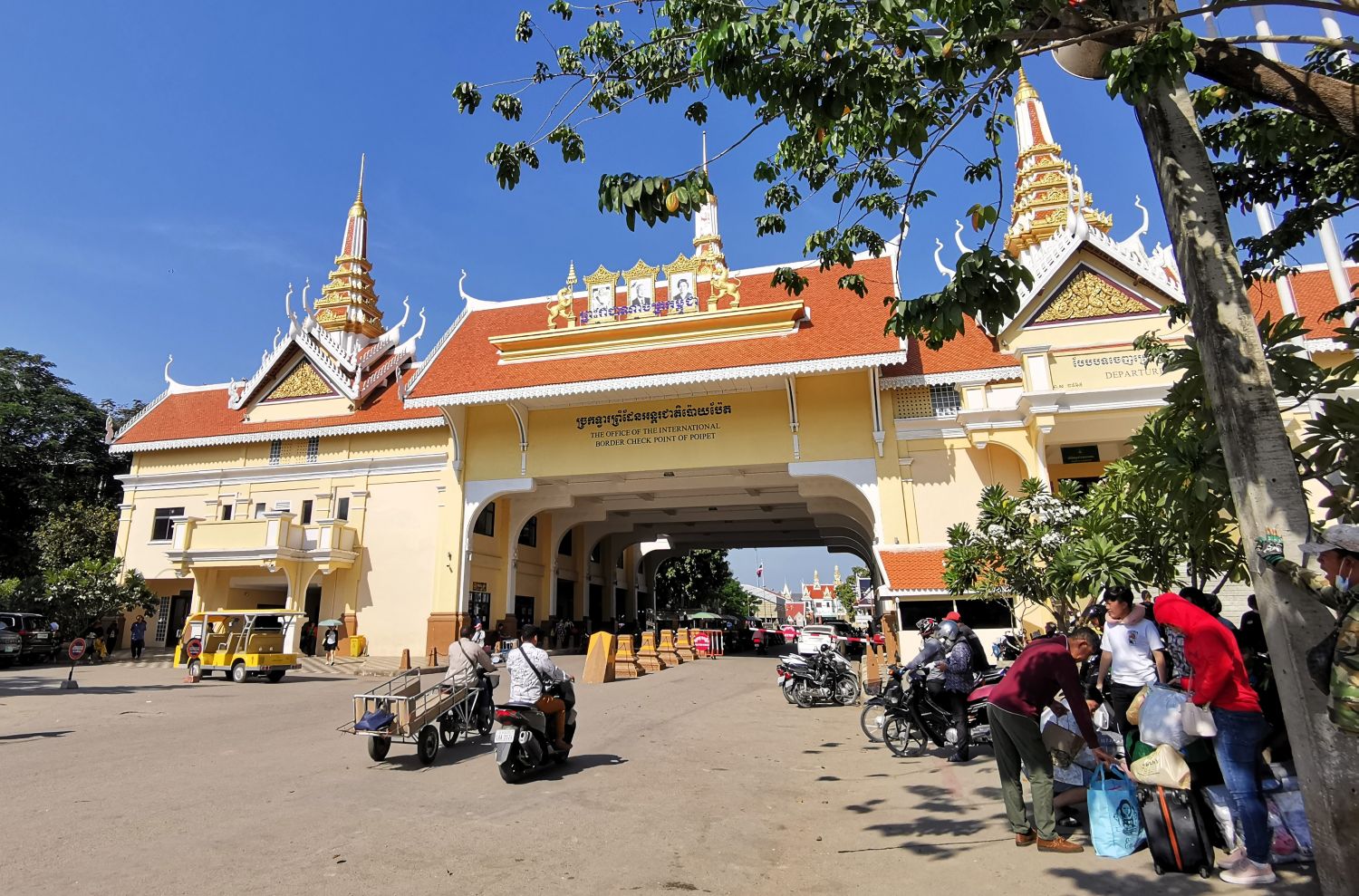
The worsening conflict is putting the entire border area into limbo. Travelers have to totally avoid the Northeast of Thailand and the Western border on the Cambodian side. The major transit route for both locals and tourists between Bangkok and Siem Reap or the Cambodian coast have been closed since July. Fights on Monday between Cambodian and Thai soldiers occured 16 km away from the city of Poipet, at the border, and a major point of passage before clashes started in June.
The tourism fallout is confirmed. Cambodia, which relies more heavily on overland arrivals, has been the most affected. Visitor numbers from Thailand—historically one of Cambodia’s strongest source markets—have dropped sharply, contributing to a wider fall in cross-border travel and a meaningful dip in tourism revenues. Guesthouses, restaurants, and tour operators near the frontier are reporting major losses as travelers cancel their plans or shift to purely domestic itineraries.
Thailand is feeling pressure too. Border provinces have experienced mass hotel cancellations, in some cases wiping out nearly all bookings within days of renewed hostilities. Even popular destinations farther from the conflict zone—such as Chiang Mai, Pattaya, and parts of Bangkok, are suffering from global travelers’ caution generated by headlines of regional instability. Eastern seaboard destinations, once favored by travelers looking for quieter alternatives to major islands, are also seeing demand weakening.
Flying remains so far the only way to go from Cambodia to Thailand
Yet tourism leaders in both countries stress that the violence remains geographically contained. Major destinations, including Bangkok, Phuket, Siem Reap, Kampot/Kep and Phnom Penh, continue to operate normally. International flights remain uninterrupted, and air travel is currently the most reliable option for visitors planning trips.
There are currently 78 flights per week between Phnom Penh Techo International Airport and both Bangkok airports. Siem Reap Angkor International Airport is linked by 52 flights to BKK and DMK airports in Bangkok.
Governments and tourism boards are working to reassure international markets that the conflict is limited to remote border areas far from established tourist routes.
However, multi-country itineraries between both countries are the most affected. In particular, circuits exploring the old Khmer Empire with its numerous spectacular temples located in Thailand and in Cambodia. Circuits along the Gulf of Siam also disappeared. However, as the conflict turned worst over the last three days, new developments could further bring new restrictions to movements between both countries.


newadmin



















Vegas’s Billion-Dollar Secrets – What They Don’t Want Tourists to Know

Visit Florida’s New CEO Bryan Griffin Shares His Vision for State Tourism with Graham

Chicago’s Tourism Renaissance: Graham Interviews Kristin Reynolds of Choose Chicago

Graham Talks with Cassandra McCauley of MMGY NextFactor About the Latest Industry Research

Destination International’s Andreas Weissenborn: Research, Advocacy, and Destination Impact

Graham and Don Welsh Discuss the Success of Destinations International’s Annual Conference

Graham and CEO Andre Kiwitz on Ventura Travel’s UK Move and Recruitment for the Role

Brett Laiken and Graham Discuss Florida’s Tourism Momentum and Global Appeal

Graham and Elliot Ferguson on Positioning DC as a Cultural and Inclusive Global Destination

Graham Talks to Fraser Last About His England-to-Ireland Trek for Mental Health Awareness

Kathy Nelson Tells Graham About the Honour of Hosting the World Cup and Kansas City’s Future

Graham McKenzie on Sir Richie Richardson’s Dual Passion for Golf and His Homeland, Antigua







 ADS PRO
Phocuswright reveals the world's largest travel markets in volume in 2025
Higher departure tax and visa cost, e-arrival card: Japan unleashes the fiscal weapon against tourists
Singapore to forbid entry to undesirable travelers with new no-boarding directive
Euromonitor International unveils world’s top 100 city destinations for 2025
U.S.A. and Israel attacks on Iran impact air movements in the Gulf (Update 1.00pm CET)