
Penang’s tourism industry in Malaysia remains a key pillar of the state’s economy. Penang, located on the northwestern coast of Peninsular Malaysia continues to expand with new developments and rising visitor numbers. However, the sector also needs to balance tourism demand with the offer. The state faces labor shortages and increased operational costs. While concerns emerge about hotel oversupply.
In an interview given to Buletin Mutiara, the Penang State Government monthly bulletin, Penang’s Tourism and Creative Economy Executive Councillor, Wong Hon Wai, shared an optimistic vision of the future of tourism. In 2024, Penang recorded indeed over 8.2 million hotel guests, a 13.3% increase over 2023, suggesting that rising demand is absorbing the supply expansion.
Balancing the growth in accommodation
Tourism Malaysia data confirms Penang had the highest average hotel occupancy rate (60.3%) in April 2025, exceeding the national average of 50.6%. However, concerns grow about potential oversupply in the hospitality field. Concerns that Wong rejects. He namely acknowledges that 13 new hotels opened their doors between August 2023 and 2025, adding 2,311 rooms to the current supply. Penang offers today 22,500 rooms.
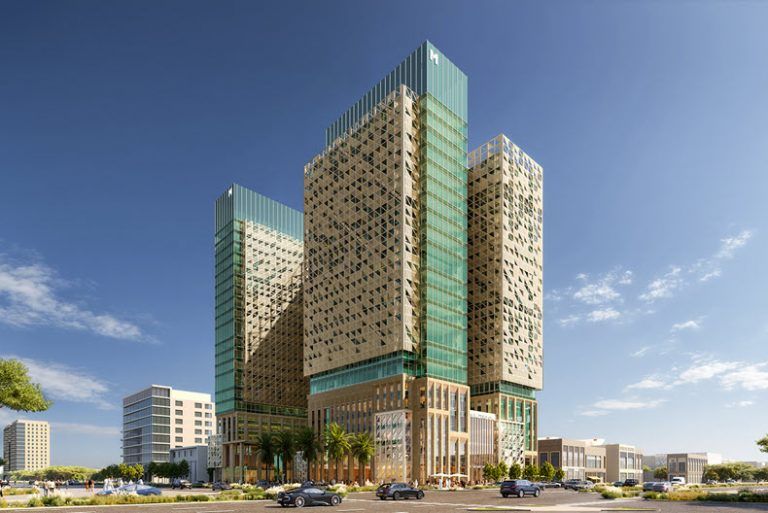
But, according to his interview, it is a strategic move aligned with expanding tourism and business demand, especially in emerging areas like Southwest Penang and Seberang Perai. “International hotel brands like Marriott and Ascott raise our hospitality standards and attract high-spending tourists and global business travelers,” Wong said.

Penang’s growing profile as an attractive MICE (Meetings, Incentives, Conventions, Exhibitions) destination is to be further bolstered by the upcoming Penang Waterfront Convention Centre. The PWCC is due to open in October 2025.
To manage however future growth, the report proposes an Accommodation Development Rights (ADR) system. The ADR would allow local authorities to regulate the construction of new accommodation facilities based on key indicators such as the average occupancy rate.
The aim is to prevent market saturation and ensure sustainable profitability for industry players. Wong is open to exploring the proposed ADR system but insists it must be data-driven and developed with stakeholder input.
The ADR is a necessity as the state faces a persistent labor shortage in hospitality and food services, intensified since the pandemic. Wong emphasized that solutions depend on federal policies governing foreign worker recruitment and visa processes. Locally, Penang is focused on developing homegrown talent through TVET programs, on-the-job training, and stronger links between industry and education.
Transport and Infrastructure Upgrades, an asset for tourism
Recognising the changing landscape of tourism promotion, Penang is adopting a 360-degree marketing strategy. This includes B2B initiatives such as roadshows and networking events, alongside B2C efforts through participation in major travel fairs like MATTA and MITM, and leveraging social media for global outreach.
Penang’s tourism appeal is also being strengthened through major infrastructure upgrades.
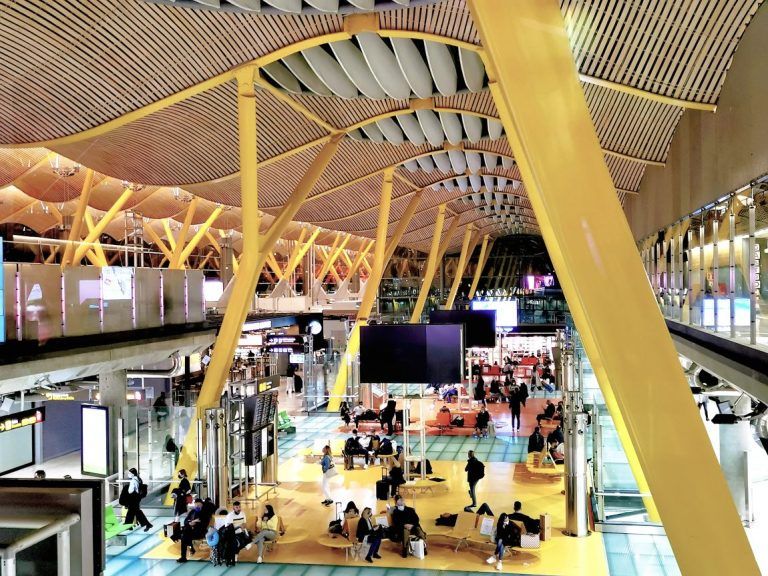
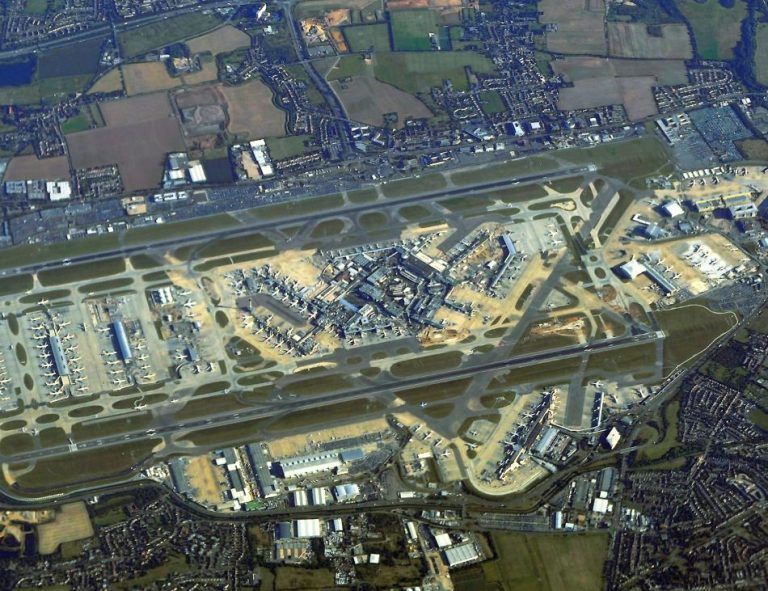
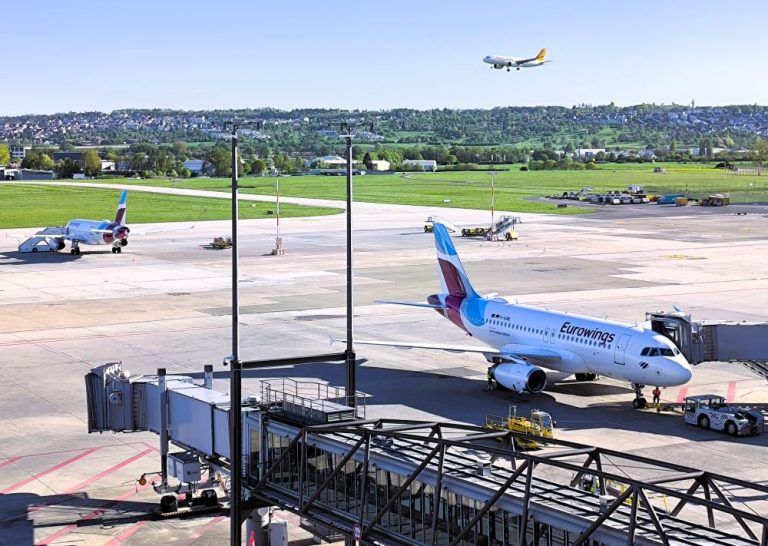
The airport expansion is an urgent task as the air terminal is facing saturation. The investment will help doubling the annual handling capacity from 6.5 million to 12 million passengers. According to the airport’s authority, the project of the main terminal expansion is in the final design stage. The airport expects to appoint a contractor by the end of the year. The expansion is due for completion in June 2028. Last year, Penang International Airport already handled a total passenger volume of 7.47 million (+ 7.07%).

The new LRT Mutiara Line will decongest cloaked roads around the island. Along 29.5 km, 21 stations will connect together the airport, the convention center to George Town and the main rail station. It is due for opening in 2031.
Finally, the Penang Hill cable car is a gondola lift under construction. The 2.73 km (1.70 mi) line should connect next year the Penang Botanic Gardens to the peak of Penang Hill. It will have a capacity of 1,000 passengers per hour on each direction.
Ultimately, Wong believes Penang’s diversified tourism offering—from heritage and street food to medical and cruise tourism—ensures resilience. “Our growth is not a sign of oversupply but a strategy for long-term sustainability and competitiveness,” he said.