
The lies travellers tell……
Travel companies are a soft touch when it comes to dolling out freebies as a whopping 47% of customers who admitted to telling fibs to get something for nothing succeeded in their aim.
The survey by the price comparison website hotelscan.com found that 38% got free bottles of fizz, a fifth were given room upgrades, 18% got free food and 10% were given free spa treatments after falsely claiming it was their birthday, wedding or anniversary.
Airlines were less generous – or possibly less gullible than hotels – with only 5% of those who fibbed admitting to have received a free upgrade.
The 53% who failed to blag freebies said the excuses they received for the rejections ranged from staff claiming there was nothing they could do, or that there was no availability.
A third of the 2,432 respondents to the hotelscan.com survey admitted they had lied to get travel freebies, with 43% requesting hotel upgrades, 37% a flight upgrade, 34% asking for free bubbly, 29% trying to blag spa treatments and almost a quarter asking for free food.
The most common lie was "it’s my anniversary", used by 39%, followed by "it’s my honeymoon" (22%), and "it’s my birthday" 17%).

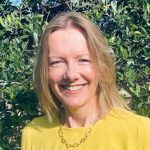
Linsey McNeill
Editor Linsey McNeill has been writing about travel for more than three decades. Bylines include The Times, Telegraph, Observer, Guardian and Which? plus the South China Morning Post. She also shares insider tips on thetraveljournalist.co.uk











Vegas’s Billion-Dollar Secrets – What They Don’t Want Tourists to Know

Visit Florida’s New CEO Bryan Griffin Shares His Vision for State Tourism with Graham

Chicago’s Tourism Renaissance: Graham Interviews Kristin Reynolds of Choose Chicago

Graham Talks with Cassandra McCauley of MMGY NextFactor About the Latest Industry Research

Destination International’s Andreas Weissenborn: Research, Advocacy, and Destination Impact

Graham and Don Welsh Discuss the Success of Destinations International’s Annual Conference

Graham and CEO Andre Kiwitz on Ventura Travel’s UK Move and Recruitment for the Role

Brett Laiken and Graham Discuss Florida’s Tourism Momentum and Global Appeal

Graham and Elliot Ferguson on Positioning DC as a Cultural and Inclusive Global Destination

Graham Talks to Fraser Last About His England-to-Ireland Trek for Mental Health Awareness

Kathy Nelson Tells Graham About the Honour of Hosting the World Cup and Kansas City’s Future

Graham McKenzie on Sir Richie Richardson’s Dual Passion for Golf and His Homeland, Antigua







 ADS PRO
Global tourism exceeds 1.5 billion travelers announces UN-Tourism
Qatar Airways offers reduced timetable to over 60 destinations
WTTC global tourism reached record economic impact of 11 trillion in 2025
Hands In, UATP join forces for airline multi-card payments
Suspension of all regional trains in Catalonia following two new rail accidents in Spain