
TUI UK loses landmark legal battle
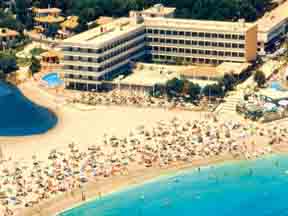
TUI UK could be forced to pay compensation to 49 clients who became ill while on holiday in Majorca after a judge today ruled that it failed to protect their health and safety.
In a landmark ruling Judge Worster said at Birmingham County Court that TUK was aware of the problems at the three-star, 251-room Hotel Son Baulo in Ca’n Picafort, Majorca but continued to send families there.
Forty-nine clients including several children fell ill with the potentially lethal diseases salmonella and cryptosporidium while on a Thomson holiday in 2003.
The ruling, which followed a 10-day trial, is the first time that an English court has held a tour operator liable for causing cryptosporidium infections in guests staying at a hotel.
Solicitors for the claimants Irwin Mitchell said the case also set an important legal precedent recognising a tour operator’s duty to warn potential guests about an ongoing outbreak of illness at a hotel and the risk of them falling ill.
TUI said it was "very disappointed" with the decision and is considering an appeal. In a statement it said: "We have been criticised for not meeting a standard that is impossible to meet, as a consequence we are currently considering our options in respect of an appeal.
"If no appeal is made, we will resolve the claims from our customers as quickly as possible."
Today’s ruling follows an eight-year battle by the claimants against TUI UK, which denied it was responsible for the problems which affected the guests over a four-month period.
According to Irwin Mitchell, the operator finally accepted it was responsible for the salmonella cases on the eve of the trial in September but continued to deny liability for the cases of cryptosporidium.

Commenting on the judgement, head of the travel law team at Irwin Mitchell, Clive Garner, said: “The fact that we represent 49 holidaymakers , including many children , who became ill because of their stays at the hotel in four consecutive months is disturbing enough.
“But what truly beggars belief is that, as the Trial judge himself found, Tui knew there was an issue, knew people were falling very seriously ill, but chose to carry on sending people there knowing that there was a risk they too would end up very ill indeed. The clear conclusion of the Court is that Tui put cash before their customers’ safety.”
Among the litany of illnesses suffered were seven confirmed cases of salmonella, eight of cryptosporidium and three children who contracted both diseases.
All the holidaymakers who suffered from cryptosporidium alleged that they became ill after using the hotel swimming pool, with some guests seeing faeces in the pool, while others complained about the way the pool and toilets at the hotel were maintained and cleaned and reported that the food at the hotel was undercooked and served cold.
Experts who gave evidence at the trial criticised the management of hygiene in the pool and said a proper plan for keeping the swimming area clean could have prevented the outbreak.
Irwin Mitchell said TUI would now be required to pay substantial damages to compensate the holidaymakers for their illnesses, some of which are ongoing, the financial losses they incurred and to compensate them for ruined holidays.
TUI said the Hotel Son Baulo had an ‘exemplary’ health and safety record, and with the exception of summer 2003 had extremely low levels of sickness. It added: "It scores highly on our customer satisfaction surveys."
By Linsey McNeill


Linsey McNeill
Editor Linsey McNeill has been writing about travel for more than three decades. Bylines include The Times, Telegraph, Observer, Guardian and Which? plus the South China Morning Post. She also shares insider tips on thetraveljournalist.co.uk




















Vegas’s Billion-Dollar Secrets – What They Don’t Want Tourists to Know

Visit Florida’s New CEO Bryan Griffin Shares His Vision for State Tourism with Graham

Chicago’s Tourism Renaissance: Graham Interviews Kristin Reynolds of Choose Chicago

Graham Talks with Cassandra McCauley of MMGY NextFactor About the Latest Industry Research

Destination International’s Andreas Weissenborn: Research, Advocacy, and Destination Impact

Graham and Don Welsh Discuss the Success of Destinations International’s Annual Conference

Graham and CEO Andre Kiwitz on Ventura Travel’s UK Move and Recruitment for the Role

Brett Laiken and Graham Discuss Florida’s Tourism Momentum and Global Appeal

Graham and Elliot Ferguson on Positioning DC as a Cultural and Inclusive Global Destination

Graham Talks to Fraser Last About His England-to-Ireland Trek for Mental Health Awareness

Kathy Nelson Tells Graham About the Honour of Hosting the World Cup and Kansas City’s Future

Graham McKenzie on Sir Richie Richardson’s Dual Passion for Golf and His Homeland, Antigua







 ADS PRO
Global tourism exceeds 1.5 billion travelers announces UN-Tourism
Qatar Airways offers reduced timetable to over 60 destinations
WTTC global tourism reached record economic impact of 11 trillion in 2025
Hands In, UATP join forces for airline multi-card payments
Suspension of all regional trains in Catalonia following two new rail accidents in Spain